



menu

Crawl Space Cleanup & Encapsulation in New Orleans – Stopping Moisture Before It Destroys Your Foundation

Grand Water Damage Restoration New Orleans delivers complete crawl space remediation designed for the Gulf Coast climate, combining moisture extraction, mold removal, and vapor barrier installation to protect your home from ground-level flooding and humidity damage.

Slider Image 1
Slider Image 2
Slider Image 3
Slider Image 4
Slider Image 5
Slider Image 7
Slider Image 8
Slider Image 9
Slider Image 10
Slider Image 11

Why New Orleans Crawl Spaces Fail Fast

New Orleans sits at sea level in a subtropical climate where relative humidity stays above 70 percent for most of the year. Your crawl space becomes a moisture trap. Water seeps up through the soil during heavy rains. Humidity condenses on floor joists and subflooring. The result is a breeding ground for mold, wood rot, and structural failure.

Most homes in neighborhoods like Lakeview, Mid-City, and Gentilly have crawl spaces built on saturated soils that wick moisture upward through concrete and brick piers. Without proper crawl space waterproofing and sealing services, that moisture migrates into your living space, triggering allergies, warping floors, and weakening wooden support beams. Termites thrive in damp wood. Mold spreads through HVAC ducts. The damage compounds fast.

Crawl space vapor barrier installation is not optional in this region. It is structural insurance. A properly sealed crawl space stops moisture intrusion, cuts cooling costs, and protects your foundation from the relentless humidity that defines life below Interstate 10. You need crawl space restoration designed for the Gulf Coast, not a generic fix borrowed from a drier climate. The stakes are high when your home sits this close to the water table.

Why New Orleans Crawl Spaces Fail Fast
How We Remediate and Seal Your Crawl Space

How We Remediate and Seal Your Crawl Space

Grand Water Damage Restoration New Orleans starts every crawl space remediation project with moisture testing and structural inspection. We measure relative humidity, test for microbial growth, and assess the condition of floor joists, girders, and subfloor sheathing. We document everything before work begins.

We remove standing water using submersible pumps and industrial wet vacs. Saturated insulation gets stripped out. Debris and contaminated soil are hauled away. If mold is present, we apply antimicrobial treatments and HEPA-vacuum all surfaces. This is not cosmetic work. This is structural hygiene.

Next comes crawl space sealing services. We install a reinforced polyethylene vapor barrier across the entire floor surface, running it up foundation walls and sealing all seams with waterproof tape. We seal vents to stop outside humidity from entering. We install drainage matting if the soil grade requires it. In cases where groundwater intrusion is severe, we add sump pump systems with battery backup to handle future flooding.

We finish with dehumidification. A crawl space dehumidifier rated for high-humidity environments keeps relative humidity below 55 percent year-round. That stops mold, wood rot, and odor before they start. This is crawl space waterproofing engineered for New Orleans, where the climate does not forgive shortcuts.

What Happens During Your Crawl Space Encapsulation

Crawl Space Cleanup & Encapsulation in New Orleans – Stopping Moisture Before It Destroys Your Foundation
01

Inspection and Water Removal

We access your crawl space and document moisture levels, structural damage, and contamination. Standing water is pumped out immediately. Wet insulation and debris are removed. We test for mold and assess floor joist integrity. You get a detailed condition report before remediation begins, so you understand the scope of work and the risks we are mitigating.
02

Cleaning and Treatment

All surfaces are cleaned and treated with antimicrobial solutions to kill mold spores and bacteria. We HEPA-vacuum dust and particulates. If wood rot is present, damaged sections are replaced or reinforced. Vents are sealed to stop humid outside air from entering. This phase eliminates contamination and prepares the space for long-term encapsulation and moisture control.
03

Barrier Installation and Dehumidification

We install a heavy-duty vapor barrier across the floor and up foundation walls, sealing all seams and penetrations. Drainage matting goes under the barrier if needed. A commercial-grade dehumidifier is installed and calibrated to maintain humidity below 55 percent. Your crawl space becomes a controlled environment that resists moisture, mold, and structural decay for years.

Why Grand Water Damage Restoration New Orleans Understands This City

We know the geography. Homes in Gentilly and Lakeview sit on reclaimed marshland with water tables that rise during summer storms. Properties near Lake Pontchartrain face wind-driven rain and flooding. Uptown homes built on slightly higher ground still deal with humidity that penetrates through brick piers and unprotected crawl spaces.

We understand the construction. Many older New Orleans homes were built with minimal crawl space ventilation and no vapor barriers. Pier-and-beam foundations are common. Wooden floor joists sit inches above damp soil. These designs worked when homes had fewer sealed walls and more airflow. Modern HVAC systems and insulation trap moisture inside. The result is hidden damage that spreads for years before you notice sagging floors or musty odors.

Grand Water Damage Restoration New Orleans has remediated crawl spaces in every neighborhood from the French Quarter to Algiers Point. We work with local building inspectors. We understand the Orleans Parish drainage system and how it affects groundwater levels. We know which materials hold up in Gulf Coast humidity and which fail within months.

We also handle insurance claims. We document damage, photograph conditions, and provide detailed estimates that meet adjuster requirements. You do not fight the paperwork alone. We have worked with every major carrier operating in Louisiana, and we know how to get crawl space restoration covered when flood or water damage is involved.

What You Can Expect From Start to Finish

Response Time and Scheduling

We schedule inspections within 24 to 48 hours of your call. If you have active flooding or a structural emergency, we respond the same day. Most crawl space encapsulation projects take three to five days depending on the size of the space and the extent of water damage. We work continuously once we start to minimize disruption. You get a clear timeline before work begins, and we update you daily on progress.

Initial Assessment and Testing

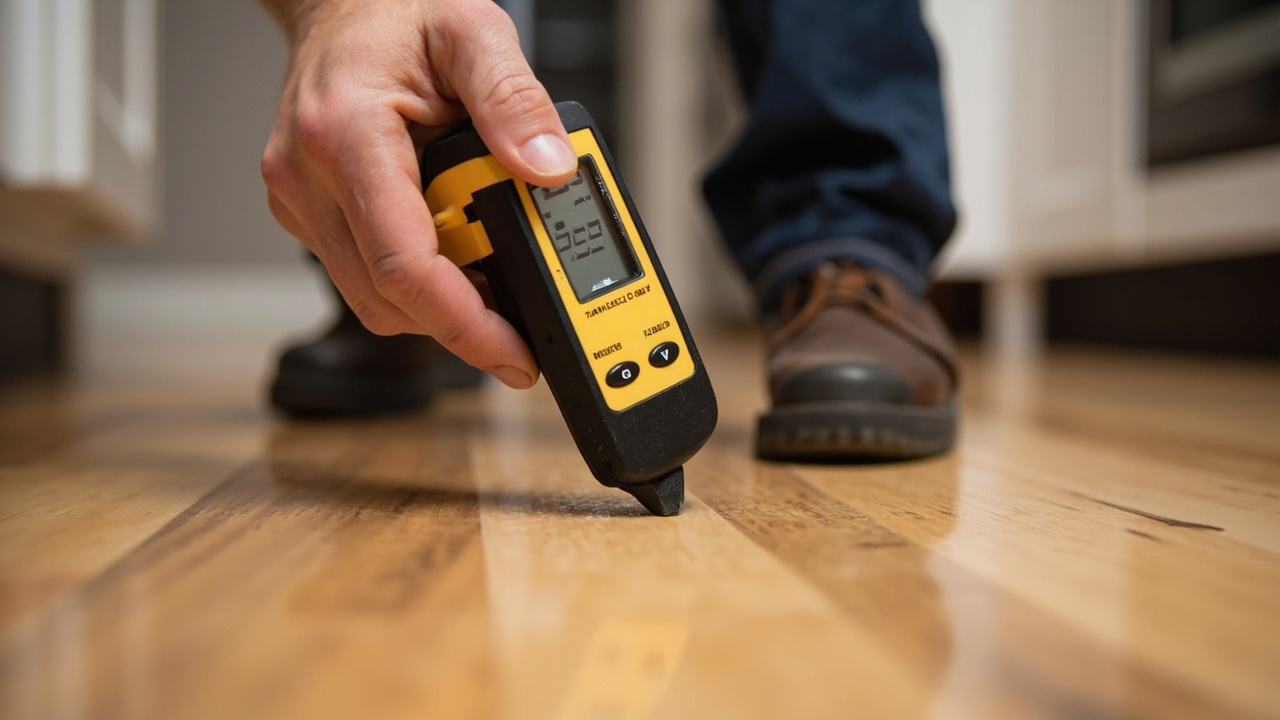
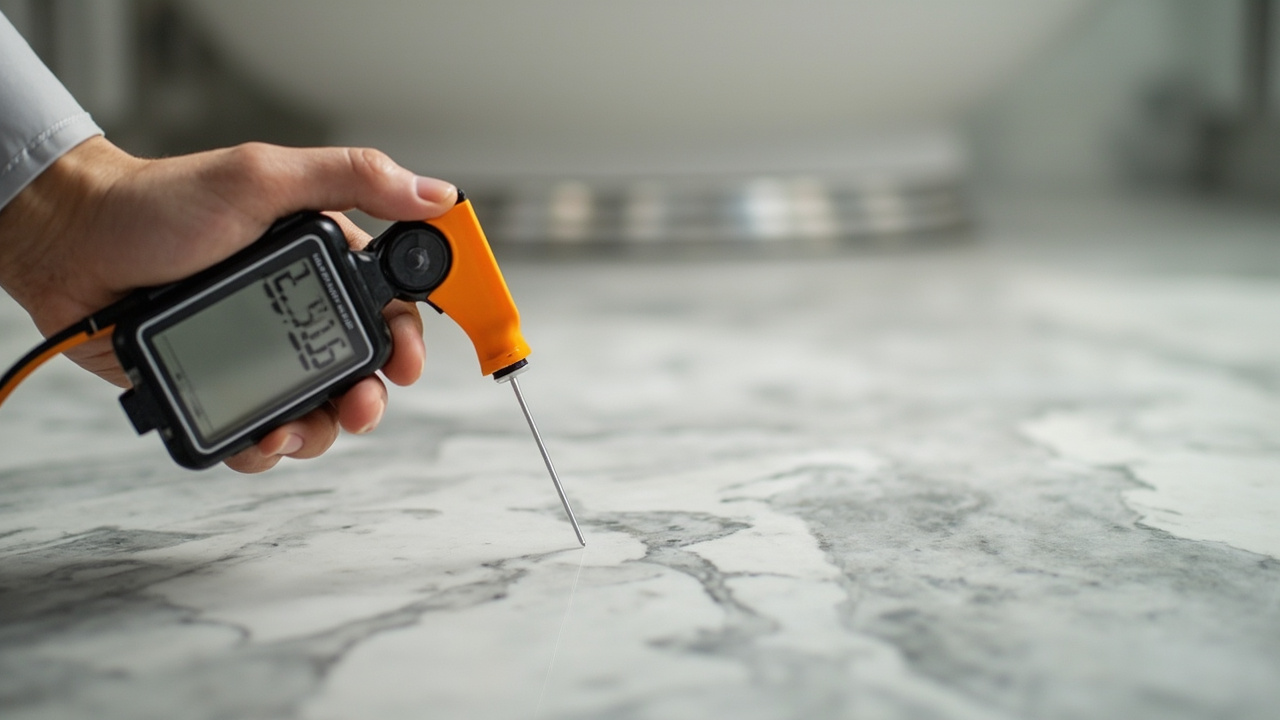
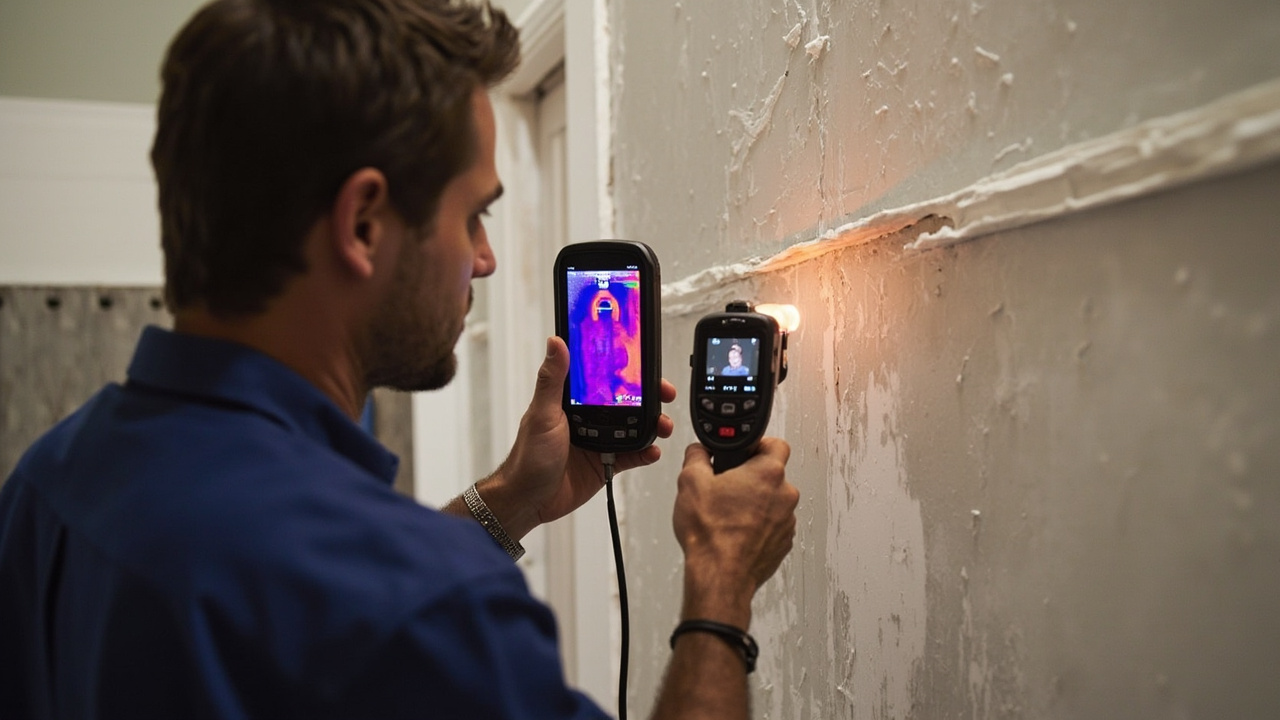
The inspection includes moisture meter readings, infrared thermal imaging to locate hidden leaks, and air quality testing if mold is suspected. We photograph damaged areas and measure humidity levels at multiple points. You receive a written assessment that explains what caused the damage, what repairs are needed, and how encapsulation will prevent future problems. We answer every question before work begins.

The Final Result You Get

You get a sealed, dry crawl space with controlled humidity levels and no standing water. Floor joists are stable. Mold is gone. The vapor barrier is sealed at every seam and penetration. The dehumidifier runs automatically to maintain optimal conditions. Your home smells cleaner. Floors feel more solid. Energy bills drop because conditioned air is not escaping through an open, humid crawl space. The work is built to last.

Ongoing Monitoring and Support

We provide maintenance guidelines for your dehumidifier and vapor barrier. We recommend annual inspections to check for new leaks or changes in humidity levels. If you experience flooding or storm damage, we return to assess the crawl space and make repairs. Many clients schedule annual checkups to catch small problems before they become expensive. You are not abandoned after the work is done.

Frequently Asked Questions

You Have Questions,
We Have Answers

What is the average cost to encapsulate a crawl space? +

Crawl space encapsulation costs in New Orleans typically range from $5,000 to $15,000, depending on square footage, moisture severity, and materials. Homes in flood-prone neighborhoods like Lakeview or Mid-City often require additional drainage solutions due to high water tables. Costs include vapor barriers, dehumidifiers, drainage systems, and structural repairs. New Orleans homes built on piers or slab-on-grade foundations face unique challenges from subtropical humidity and seasonal flooding. Homes with existing mold, wood rot, or pest damage require remediation before encapsulation, which increases the price. Always get a detailed inspection to understand your specific situation.

Is it worth it to encapsulate a crawlspace? +

Yes, encapsulation is worth it for most New Orleans homes. The subtropical climate creates constant moisture problems that lead to mold growth, wood rot, and structural damage. Encapsulation reduces energy bills by 15-20% by sealing air leaks and controlling humidity. It protects your foundation from seasonal flooding and prevents pest infestations common in the metro area. Homes in flood zones benefit from added moisture control and improved indoor air quality. The investment pays off through lower utility costs, fewer repairs, and increased home value. For New Orleans properties, encapsulation is preventive maintenance against climate-related damage.

What does crawl space encapsulation include? +

Crawl space encapsulation includes several components tailored to New Orleans conditions. First, crews remove debris, standing water, and damaged insulation. They install a heavy-duty vapor barrier across the floor and up foundation walls to block ground moisture. Sealed vents prevent humid outdoor air from entering. A dehumidifier maintains optimal humidity levels year-round. Drainage systems like sump pumps handle water intrusion during heavy rains. Insulation on walls improves energy efficiency. Pest control treatments prevent termites and rodents. The system creates a controlled environment that protects your home from moisture damage common in our climate.

What are the negatives of encapsulation? +

Encapsulation can create problems if installed incorrectly. Poor drainage design leads to water pooling during heavy storms common to the Gulf Coast. Inadequate dehumidifier sizing fails in our humid climate, allowing mold growth. Improperly sealed barriers trap moisture instead of blocking it. The upfront cost deters some homeowners. If foundation vents are sealed without proper mechanical ventilation, condensation can occur. Encapsulation requires ongoing maintenance, including filter changes and equipment checks. Homes with active plumbing leaks or unresolved drainage issues will see continued problems. Always address underlying water issues before encapsulation to avoid wasting money.

Will insurance cover crawl space encapsulation? +

Insurance rarely covers encapsulation as a standalone improvement. However, if water damage from a covered event like a burst pipe or storm flooding requires crawl space repairs, insurance may pay for restoration work that includes encapsulation components. Homeowners in New Orleans should document damage immediately and work with adjusters to maximize coverage. Flood insurance through NFIP does not typically cover preventive encapsulation. Some policies cover mold remediation if it results from covered water damage. Always review your policy details and consult your agent about specific coverage before starting work.

How much does it cost to insulate a 1500 square foot house crawl space? +

Insulating a 1,500 square foot crawl space in New Orleans costs between $2,500 and $6,000. Prices vary based on insulation type, moisture levels, and access difficulty. Closed-cell spray foam provides the best moisture resistance for our climate but costs more than rigid foam boards. Many homes in Uptown or the Garden District have limited crawl space access, increasing labor costs. Proper insulation should be combined with moisture control measures due to high humidity. Older homes may require additional structural repairs or pest treatment before insulation installation, which adds to the total cost.

When should you not encapsulate a crawl space? +

Do not encapsulate if active water intrusion or drainage problems exist. Fix foundation cracks, grading issues, and gutter problems first. Homes with ongoing plumbing leaks need repairs before sealing the space. If your crawl space floods regularly during heavy rains common to New Orleans, address exterior drainage and consider sump pump installation first. Avoid encapsulation if structural damage requires major foundation work. Properties with severe termite damage need treatment and repairs before barrier installation. Encapsulating over existing problems traps moisture and worsens damage. Always conduct a thorough inspection to identify and resolve underlying issues first.

Can I write off crawl space encapsulation? +

Crawl space encapsulation may qualify as a medical expense deduction if you have documented mold allergies or respiratory conditions worsened by crawl space moisture. You need a physician's written recommendation linking the improvement to your health condition. The work must exceed 7.5% of your adjusted gross income to qualify. Energy-efficient components like dehumidifiers may qualify for federal energy tax credits. Consult a tax professional familiar with Louisiana tax law to determine eligibility. Keep all receipts, medical documentation, and contractor invoices. Most homeowners cannot deduct encapsulation as a standard home improvement expense.

Do home appraisers look in crawl space? +

Yes, appraisers inspect crawl spaces during home valuations in New Orleans. They look for moisture damage, mold, wood rot, pest infestations, and structural issues. Appraisers document foundation conditions, insulation quality, and drainage systems. A well-maintained, encapsulated crawl space increases property value and signals good home care. Conversely, visible moisture problems, sagging floors, or pest damage lower appraised values and can delay sales. In flood-prone areas like Gentilly or Lakeview, appraisers pay extra attention to moisture control measures. Clean, dry crawl spaces with proper encapsulation demonstrate responsible ownership and protect your home's market value.

What is the alternative to crawl space encapsulation? +

Alternatives to full encapsulation include installing a basic vapor barrier without sealing vents, improving exterior drainage through French drains and downspout extensions, adding crawl space ventilation fans, and applying waterproof coatings to foundation walls. Some New Orleans homeowners choose partial encapsulation for budget reasons, focusing on high-moisture areas. Regular maintenance like debris removal and dehumidifier use helps without full encapsulation. However, these alternatives provide limited protection in our humid, flood-prone climate. Full encapsulation remains the most effective solution for long-term moisture control and structural protection in the New Orleans metro area.

How New Orleans Soil and Flooding Make Crawl Space Encapsulation Critical

New Orleans is built on alluvial soil, clay, and reclaimed wetlands. The water table fluctuates with rainfall and drainage capacity. During heavy storms, groundwater rises and saturates the soil under your home. Capillary action pulls that moisture upward through concrete slabs and into crawl spaces. Without a vapor barrier, your floor joists absorb water like a sponge. Wood rot starts within months. Crawl space waterproofing stops that cycle. A properly sealed crawl space creates a barrier between saturated soil and your home's structure, protecting against the constant moisture pressure that defines this region.

Grand Water Damage Restoration New Orleans has been remediating crawl spaces in this city for years. We work with local contractors, insurance adjusters, and building inspectors who understand Gulf Coast construction. We know the challenges of working in tight, humid spaces during summer. We know how to navigate flood insurance claims when crawl space damage results from rising water. Choosing a local provider means choosing someone who understands the specific risks your home faces and how to engineer solutions that hold up in this climate.
Water Damage Restoration Services in The New Orleans Area

While Grand serves the wider region with our expert water damage restoration services, we invite you to view our central operational location on the map. This helps you visualize our base of operations and understand our commitment to providing swift, efficient service across our service areas. Our team is strategically positioned to ensure rapid deployment when you need us most, so don't hesitate to contact us regardless of your specific location within our service radius.

Address:
Grand Water Damage Restoration New Orleans, 201 St Charles Ave, New Orleans, LA, 70170

Additional Services We Offer

Our news updates

Latest Articles & News from The Blogs

Restoring Water Damaged Marble and Limestone in English Turn Luxury BathroomsHigh end residential properties in the English Turn community of…

Restoring Water Damaged Marble and Limestone in English Turn Luxury Bathrooms

Restoring Water Damaged Marble and Limestone in English Turn Luxury BathroomsHigh end residential properties in the English Turn community of…

How to Decide Between Structural Drying and Surface Cleanup for Your Leonidas Property

How to Decide Between Structural Drying and Surface Cleanup for Your Leonidas PropertyLeonidas property owners often face a difficult choice…

The Best Way to Handle a Leaky Icemaker Line in Your Lakewood Kitchen

The Best Way to Handle a Leaky Icemaker Line in Your Lakewood Kitchen A leaky icemaker line in your Lakewood…

Contact Us

Call Grand Water Damage Restoration New Orleans at (504) 355-2332 to schedule your crawl space inspection. We respond fast, work clean, and deliver encapsulation systems built for Gulf Coast humidity. Protect your foundation before moisture destroys it.