



menu

Flood Cleanup & Extraction in New Orleans – 24/7 Emergency Response Across the Crescent City

When floodwater invades your property, immediate flood cleanup and extraction prevents catastrophic structural damage and mold growth. Our certified crews deploy across New Orleans within 60 minutes to protect your investment.

Slider Image 1
Slider Image 2
Slider Image 3
Slider Image 4
Slider Image 5
Slider Image 7
Slider Image 8
Slider Image 9
Slider Image 10
Slider Image 11

Why New Orleans Faces Constant Flood Threats

You live in a city that sits below sea level. New Orleans's unique geography creates a perfect storm for flooding. When heavy rainfall overwhelms the pump system, when Lake Pontchartrain surges, or when tropical storms push water through the drainage canals, homes and businesses across Gentilly, Lakeview, and the Lower Ninth Ward flood fast.

The clay soil beneath New Orleans does not absorb water. It just sits there, creating hydrostatic pressure against your foundation walls. That pressure forces water through basement cracks, foundation seams, and floor drains. The subtropical humidity makes everything worse. Once floodwater enters your structure, you have 24 to 48 hours before mold colonies establish and building materials begin irreversible degradation.

Emergency water extraction must start immediately. Standing water weakens drywall, buckles hardwood floors, and saturates insulation. Contaminated floodwater carries sewage, chemicals, and pathogens that create health hazards. Every hour you wait increases structural damage and restoration costs.

Flood damage restoration is not a DIY project. You need industrial-grade water removal services, commercial dehumidification equipment, and antimicrobial treatment protocols. You need teams who understand how water moves through New Orleans architecture, from shotgun houses with pier and beam foundations to mid-century slab construction in New Orleans East. Water mitigation services must address both visible flooding and hidden moisture trapped in wall cavities and subfloor spaces.

The city's elevation challenges mean water does not naturally drain away. Professional water damage cleanup removes every gallon, then dries the structure to prevent secondary damage.

Why New Orleans Faces Constant Flood Threats
Our Flood Extraction Methodology

Our Flood Extraction Methodology

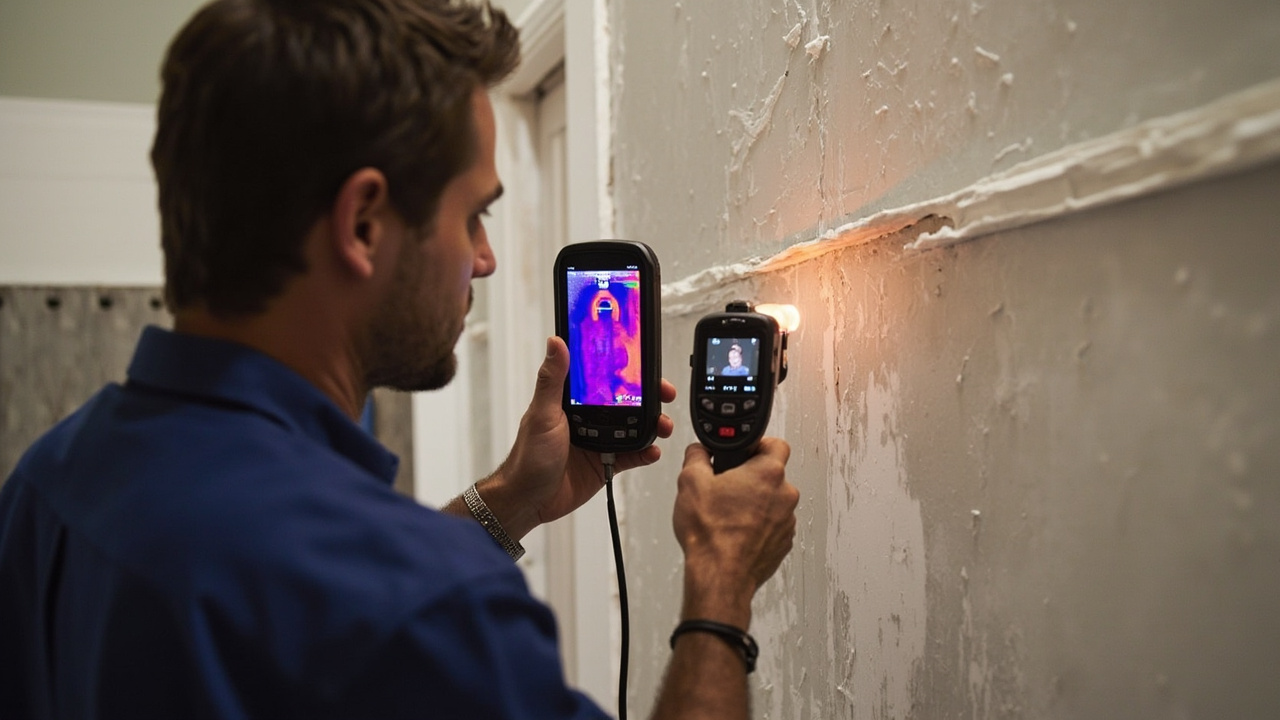
We deploy truck-mounted extraction units that remove thousands of gallons per hour. Our crews arrive with submersible pumps, weighted extraction wands, and thermal imaging cameras that detect moisture you cannot see.

First, we establish safe working conditions. We check for electrical hazards, structural instability, and contamination levels. Category 3 water (sewage contaminated floodwater) requires full PPE and specialized handling protocols.

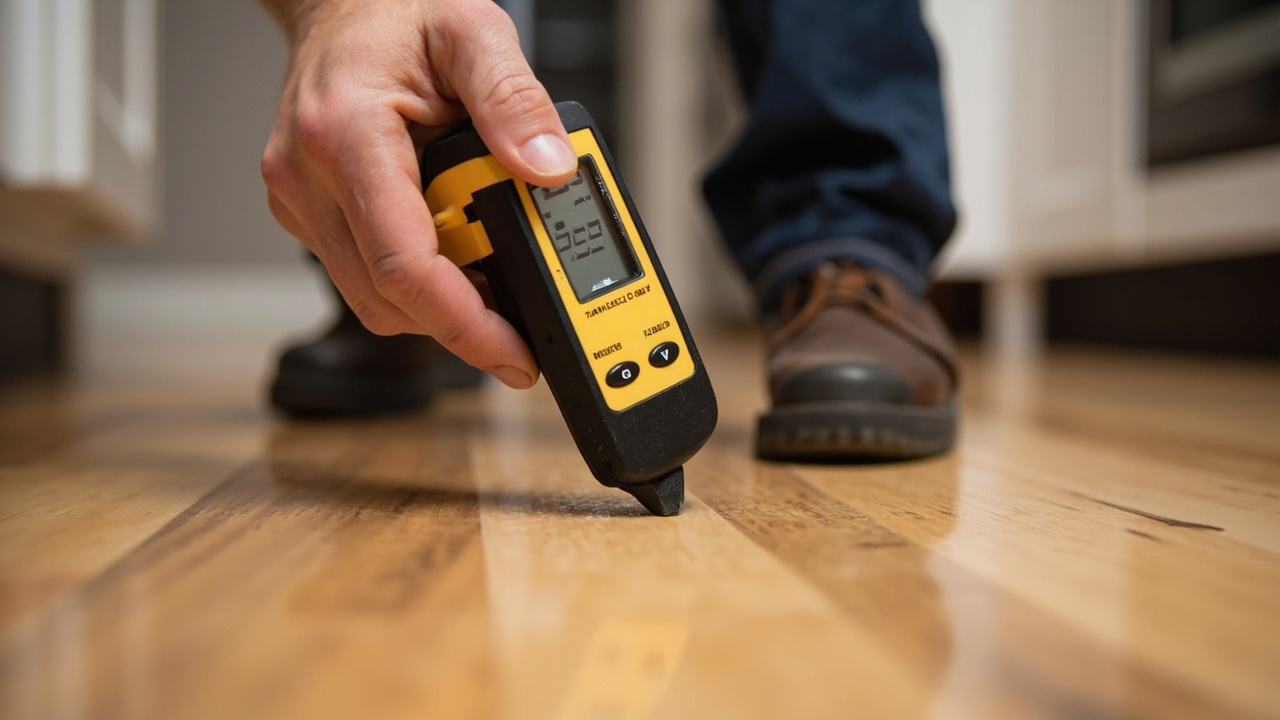
Then we extract standing water using the most aggressive methods available. Truck-mounted units create powerful suction that pulls water from carpet padding, concrete pores, and subfloor cavities. We position air movers and commercial dehumidifiers to create controlled drying chambers. Moisture meters track progress in real time.

We document everything for your insurance claim. Moisture readings, thermal images, equipment logs, and daily progress reports give you the evidence adjusters require. We know Louisiana insurance laws and communicate directly with your carrier to prevent claim denials or lowball settlements.

Our flood damage restoration process addresses contamination. We apply EPA-registered antimicrobial treatments to all affected surfaces. We remove unsalvageable materials like carpet padding, drywall below the flood line, and compromised insulation. We do not try to save materials that will fail later. That just creates callbacks and liability.

Water removal services require understanding New Orleans construction. Homes built before 1950 have different drying requirements than modern construction. Pier and beam foundations need crawl space drying. Slab foundations need subfloor injection drying. We adapt our approach to your specific building type.

Grand Water Damage Restoration New Orleans has extracted floodwater from hundreds of Crescent City properties. We know what works in this climate and this soil.

What Happens During Emergency Flood Response

Flood Cleanup & Extraction in New Orleans – 24/7 Emergency Response Across the Crescent City
01

Immediate Water Extraction

Our crew arrives with truck-mounted extraction equipment and begins removing standing water immediately. We use submersible pumps for deep water and weighted extraction tools for carpets and flooring. Every minute counts when floodwater sits inside your structure. We work room by room, extracting water down to the subfloor and documenting moisture levels throughout the property. Thermal imaging identifies hidden water pockets behind walls and under flooring materials.
02

Structural Drying Setup

After extraction, we position commercial air movers and dehumidifiers to create controlled airflow patterns. This phase removes moisture trapped in building materials. We monitor humidity levels and adjust equipment placement daily. Moisture meters track drying progress in walls, floors, and ceilings. We create negative air pressure in contaminated areas to prevent cross-contamination. The drying phase typically runs three to five days depending on materials affected and saturation levels.
03

Sanitization and Verification

Once structures reach industry-standard dryness levels, we apply antimicrobial treatments to all flood-affected surfaces. We test final moisture readings to confirm complete drying. You receive documentation showing before and after readings, equipment logs, and photographic evidence for your insurance claim. We inspect for any secondary damage that requires repair and provide a clear scope of work for reconstruction if needed. Your property is safe, dry, and ready for restoration work.

Why New Orleans Trusts Our Flood Response Team

We understand New Orleans flooding. We have worked every neighborhood from the French Quarter to Algiers Point. We know which areas flood first when the pumps fail. We know which streets flood during king tides. We know how water moves through this city.

That local knowledge matters during emergency response. We know the fastest routes when major streets flood. We know which parishes have mutual aid agreements. We know which city inspectors handle commercial flood claims and what documentation they require.

Our crews hold IICRC certifications in water damage restoration and applied structural drying. That means we follow science-based drying protocols, not guesswork. We understand psychrometry (the science of air and moisture interaction). We know drying times for different building materials in New Orleans humidity levels.

We stock equipment for large-scale flood events. When a tropical storm hits and everyone needs help simultaneously, we have the truck-mounted extractors, portable generators, and commercial dehumidifiers to handle multiple projects. We maintain redundant equipment specifically for storm season.

We work directly with insurance carriers. Louisiana law requires specific documentation for flood claims. We photograph every stage, log every equipment reading, and provide detailed scope documents. Many adjusters know our reports and trust our findings. That speeds your claim settlement.

Grand Water Damage Restoration New Orleans operates year-round in this market. We see the seasonal flooding in Broadmoor when afternoon storms overwhelm the drainage system. We handle the storm surge flooding in Lakeview. We extract water from historic properties in the Garden District where preservation requirements complicate restoration.

You need a team that knows this city's unique challenges. We are that team.

What You Can Expect From Our Service

Emergency Response Time

We dispatch crews within 60 minutes of your call, 24 hours a day. Floodwater does not wait for business hours. Our night crews carry the same equipment and expertise as day teams. We answer phones directly, no answering services. You speak with someone who can dispatch help immediately. During major flooding events, we prioritize based on severity and health hazards. Category 3 contaminated water gets immediate response. We maintain multiple crews during hurricane season to handle surge capacity. Our average arrival time across New Orleans is under 90 minutes from initial contact.

Comprehensive Damage Assessment

Before we start extraction, we walk the entire property with you. We identify the water source, estimate affected square footage, and classify contamination level. We use moisture meters to test walls, floors, and ceilings. Thermal imaging reveals hidden moisture behind surfaces. We check for electrical hazards and structural compromise. You receive a written scope that outlines the extraction process, estimated drying time, and equipment requirements. We photograph everything for insurance documentation. This assessment typically takes 30 to 45 minutes depending on property size. We answer your questions and explain the entire restoration process.

Verified Dry Standards

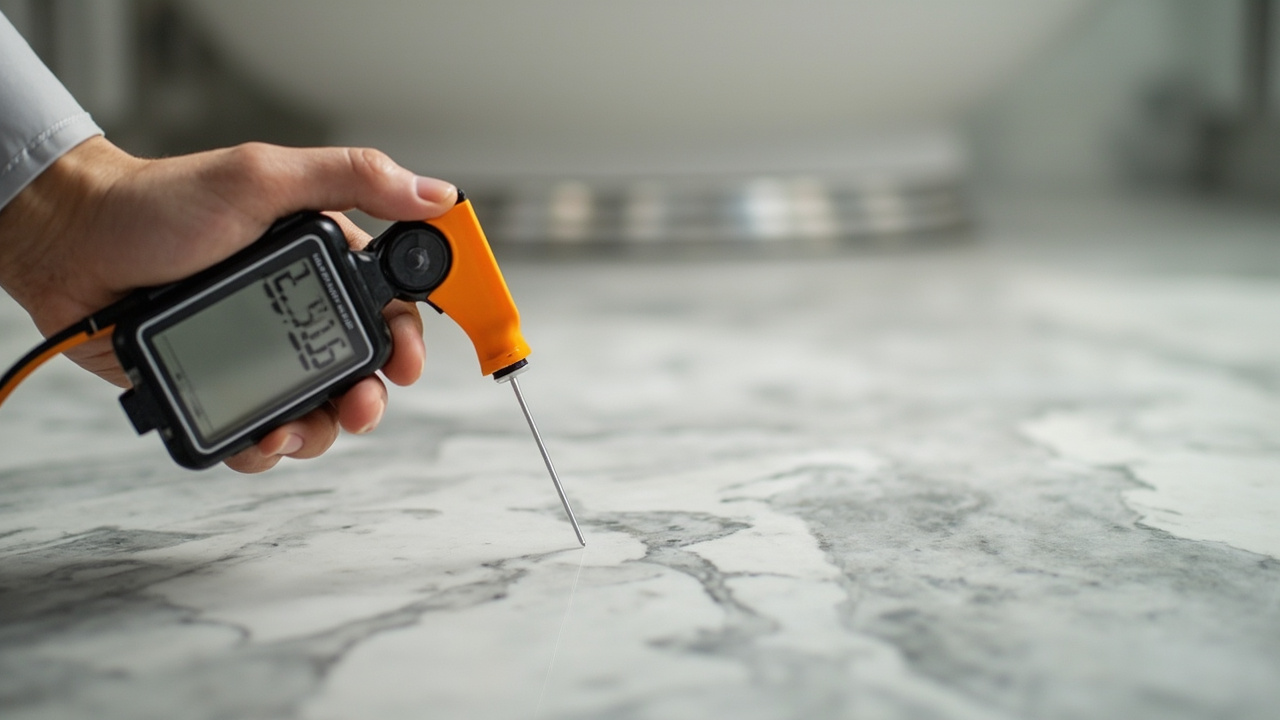
We do not leave until moisture readings meet industry standards. That means testing multiple locations with calibrated moisture meters. We document readings daily and compare them against baseline measurements from unaffected areas. Different materials have different acceptable moisture levels. Wood framing should read below 15 percent. Concrete should read below 4 percent on a moisture scale. We provide you with the final readings and keep copies for your records. If an insurance adjuster questions drying completion, you have documentation proving the work was done correctly. We stand behind our drying verification process.

Post-Extraction Monitoring

After we complete extraction and drying, we offer follow-up moisture checks at 30 and 60 days. New Orleans humidity can cause moisture rebound in some building materials. These complimentary checks catch any issues before they become problems. We also provide guidance on preventing future flood damage, including sump pump recommendations, foundation waterproofing options, and drainage improvements. If reconstruction is needed, we coordinate with licensed contractors who understand flood restoration requirements. You are not left to figure out next steps alone. We stay involved through the entire recovery process.

Frequently Asked Questions

You Have Questions,
We Have Answers

How much does it cost to clean up a flooded basement? +

Flooded basement cleanup in New Orleans typically ranges from $1,000 to $10,000, depending on water depth, contamination level, and structural damage. Category 3 floodwater (sewage or stormwater) costs more due to hazardous material protocols. Homes in older neighborhoods like the Garden District or Mid-City often face higher costs due to foundation issues and aged drainage systems. Standing water under 2 inches may cost less, while basements with 4+ feet of water require industrial pumps and extensive drying. Mold remediation, common in our humid climate, adds expense. Get a professional inspection before cleanup starts to assess hidden damage behind walls or under flooring.

How much does disaster cleanup cost? +

Disaster cleanup costs vary widely based on damage type and scope. Minor water intrusions may cost $500 to $2,000, while major flood events in New Orleans can exceed $20,000. Hurricane storm surge cleanup requires structural drying, debris removal, and contamination treatment. Category 1 clean water is less expensive than Category 3 sewage backups. Factors include square footage affected, materials damaged (hardwood floors cost more to restore than tile), and time elapsed before mitigation starts. New Orleans homes with crawl spaces face unique challenges due to high water tables and poor drainage. Always document everything for insurance purposes before cleanup begins.

Does flood insurance pay for clean up? +

Flood insurance through NFEMA's National Flood Insurance Program covers structural damage and cleanup costs, but standard homeowners policies do not. In New Orleans, where flooding is common, flood insurance pays for water extraction, debris removal, and sanitization after covered flood events. Coverage limits vary by policy, typically up to $250,000 for structures and $100,000 for contents. You must file claims promptly and document all damage with photos. Cleanup must begin quickly to prevent mold, which our humid climate accelerates. Keep all receipts for emergency mitigation work. Review your policy exclusions carefully, as coverage differs for storm surge versus rainfall flooding.

What's the best way to clean up after a flood? +

Start flood cleanup by ensuring electrical safety and structural stability. Remove standing water quickly using pumps or wet vacuums, then extract moisture from walls, floors, and contents using industrial dehumidifiers and air movers. In New Orleans, rapid drying is critical due to high humidity levels that accelerate mold growth within 24 to 48 hours. Remove porous materials like drywall, insulation, and carpeting if contaminated. Disinfect all surfaces with EPA-registered antimicrobial solutions. Document everything with photos for insurance. Professional water damage restoration companies use moisture meters and thermal imaging to detect hidden water in crawl spaces and wall cavities common in local construction.

Will homeowners insurance cover a flooded basement? +

Standard homeowners insurance covers sudden internal water damage like burst pipes or appliance malfunctions, but not flooding from external sources. In New Orleans, if your basement floods due to storm surge, rising groundwater, or heavy rainfall overwhelming drainage systems, you need separate flood insurance. However, if a sump pump fails during a storm or a water heater bursts, homeowners insurance may cover it. Policy language matters. Review your coverage for water backup endorsements, which cover sewer and drain backups. Many New Orleans homes lack basements due to high water tables, but crawl space flooding follows similar coverage rules. Always read exclusions carefully.

How much does Servpro cost to clean a basement? +

National restoration franchises like Servpro typically charge $70 to $200 per hour for labor, plus equipment and materials. Basement cleanup through these companies in New Orleans can range from $1,500 to $8,000 depending on severity. Pricing includes water extraction, drying equipment rental, antimicrobial treatment, and disposal fees. Larger companies often have higher overhead costs reflected in their rates. Local restoration companies may offer more competitive pricing while providing the same certifications and equipment. Request itemized estimates from multiple providers. Check for IICRC certification, proper licensing, and insurance coverage. Response time matters more than brand name when preventing secondary damage like mold growth in our humid climate.

How much does it cost to remove water from a basement? +

Water removal from basements costs between $500 and $5,000 in New Orleans, depending on water volume, contamination category, and accessibility. Extracting clean water under 2 inches may cost $500 to $1,500. Removing 3+ feet of contaminated stormwater requires industrial pumps, disposal fees, and sanitization, pushing costs to $3,000 or higher. Homes in low-lying areas like Lakeview or Gentilly often face recurring drainage issues that complicate extraction. Professionals use truck-mounted extractors and submersible pumps, then deploy dehumidifiers to remove residual moisture from concrete and wooden substructures. Fast extraction prevents structural damage and mold colonization in our high-humidity environment.

Does insurance pay for storm clean up? +

Homeowners insurance may cover storm cleanup costs if damage results from wind, hail, or falling trees, but not flood-related cleanup. In New Orleans, hurricane winds that tear off roofs or break windows trigger coverage, but storm surge flooding requires separate flood insurance. Wind-driven rain entering through storm-damaged openings is typically covered. Insurance pays for debris removal, water extraction from wind damage, and temporary repairs to prevent further loss. Document all damage immediately with photos and videos. Keep receipts for emergency tarping or board-up services. File claims quickly, as delays can lead to denials for secondary damage like mold growth.

What are the 4 C's of disaster recovery? +

The four Cs of disaster recovery are Communication, Coordination, Continuity, and Cooperation. Communication ensures all stakeholders, from property owners to insurance adjusters, share accurate information. Coordination aligns restoration teams, contractors, and emergency services for efficient response. Continuity focuses on maintaining or quickly restoring normal operations, especially critical for businesses in New Orleans tourism and hospitality sectors. Cooperation involves working with local authorities, following building codes, and partnering with certified restoration professionals. In flood-prone New Orleans, these principles help property owners navigate complex insurance claims, manage contractors, and restore properties while meeting local elevation and construction requirements after disasters.

What should you not say when making an insurance claim? +

Never admit fault, exaggerate damage, or provide inconsistent details when filing insurance claims. Do not say the damage happened weeks ago if you just discovered it, as delays can trigger coverage denials. Avoid phrases like "I think" or "maybe" that suggest uncertainty. Do not accept the first settlement offer without documenting all losses. In New Orleans, never claim flood damage under homeowners insurance or vice versa, as misrepresenting the water source leads to automatic denials. Do not start major repairs before the adjuster inspects, except for emergency mitigation to prevent further damage. Keep detailed records, take extensive photos, and provide only factual statements.

How New Orleans Elevation and Pump Dependency Affects Flood Cleanup

New Orleans sits an average of six feet below sea level. The city relies on pump stations to remove rainwater that has nowhere to drain naturally. When pump stations fail, or when rainfall exceeds pumping capacity, water accumulates fast. Flood cleanup and extraction in this environment is different from elevated cities. Water does not recede on its own. It must be mechanically removed. The clay soil prevents natural absorption, so hydrostatic pressure remains high even after surface water is extracted. Emergency water extraction must address both standing water and pressure-driven moisture that continues seeping through foundation walls and floor slabs for days after the initial flood event.

Grand Water Damage Restoration New Orleans understands the city's unique construction standards and flood history. We work with properties rebuilt after Katrina to modern flood codes and century-old structures in the historic districts. We know which neighborhoods require special permits for reconstruction work. We maintain relationships with city building inspectors and understand the documentation requirements for flood-damaged properties. When you hire local water mitigation services, you get teams who understand New Orleans building department procedures, insurance claim requirements specific to Louisiana, and the construction methods used throughout the Crescent City. That local knowledge prevents delays and ensures your property is restored correctly.
Water Damage Restoration Services in The New Orleans Area

While Grand serves the wider region with our expert water damage restoration services, we invite you to view our central operational location on the map. This helps you visualize our base of operations and understand our commitment to providing swift, efficient service across our service areas. Our team is strategically positioned to ensure rapid deployment when you need us most, so don't hesitate to contact us regardless of your specific location within our service radius.

Address:
Grand Water Damage Restoration New Orleans, 201 St Charles Ave, New Orleans, LA, 70170

Additional Services We Offer

Our news updates

Latest Articles & News from The Blogs

Restoring Water Damaged Marble and Limestone in English Turn Luxury BathroomsHigh end residential properties in the English Turn community of…

Restoring Water Damaged Marble and Limestone in English Turn Luxury Bathrooms

Restoring Water Damaged Marble and Limestone in English Turn Luxury BathroomsHigh end residential properties in the English Turn community of…

How to Decide Between Structural Drying and Surface Cleanup for Your Leonidas Property

How to Decide Between Structural Drying and Surface Cleanup for Your Leonidas PropertyLeonidas property owners often face a difficult choice…

The Best Way to Handle a Leaky Icemaker Line in Your Lakewood Kitchen

The Best Way to Handle a Leaky Icemaker Line in Your Lakewood Kitchen A leaky icemaker line in your Lakewood…

Contact Us

Floodwater is destroying your property right now. Every minute increases damage and restoration costs. Call (504) 355-2332 to dispatch our crew immediately. We answer 24/7 and arrive within 60 minutes across New Orleans.