
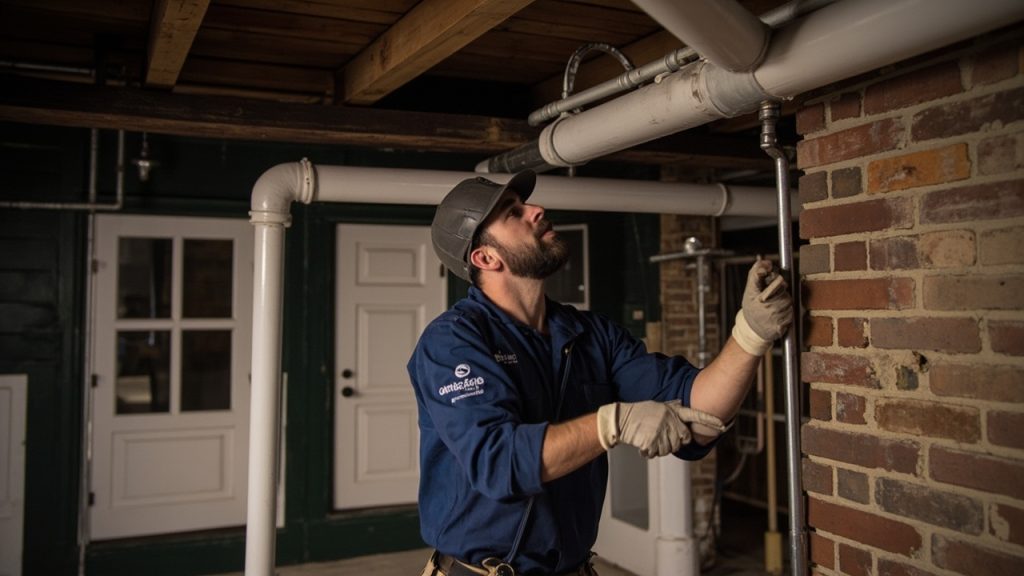
How to Prevent Burst Pipes in Treme New Orleans A Homeowner Guide
Treme homeowners face a unique set of challenges when the temperature drops in 2026. Many properties in this historic neighborhood are raised cottages built on brick piers or concrete blocks. While this architecture helps with airflow and flood prevention during the humid summer months, it creates a massive risk during a freeze. Cold air sweeps underneath your home and surrounds your plumbing with freezing temperatures. Unlike homes on concrete slabs, your pipes have zero protection from the earth. When a hard freeze warning is issued for the 70116 or 70119 zip codes, you must act quickly to avoid catastrophic water damage. This guide explains exactly how to protect your property using local expertise gained from years of restoration work right here in New Orleans.

Why Treme Homes are at High Risk for Pipe Bursts
The architecture that makes Treme beautiful also makes it vulnerable. Most homes near the Lafitte Greenway or around St. Augustine Church feature exposed plumbing under the floorboards. In 2026, we see many homes that still use original galvanized steel or aging copper lines. These materials do not handle the expansion of freezing water well. When water turns to ice, it expands with incredible force. If that water is trapped between an ice blockage and a closed faucet, the pressure build-up will split the pipe. This usually happens in the crawl space where you cannot see it. You might not even know you have a problem until the ice thaws and water begins spraying into your floor insulation or onto the ground below.
The Sewerage and Water Board of New Orleans often sees pressure fluctuations during major freezes. If you live in a historic home, your internal plumbing might already be stressed by decades of mineral buildup. A sudden freeze is often the final straw for these older systems. We have seen instances where a single night of 25 degree weather caused thousands of dollars in damage to homes near N Rampart Street. Understanding your specific pipe material is the first step in prevention. Use the table below to see how different materials react to the current 2026 winter climate in Louisiana.
Comparing Common Pipe Materials in New Orleans Homes
| Pipe Material | Freeze Resistance | Typical Age in Treme | Failure Mode |
|---|---|---|---|
| Galvanized Steel | Low | 50 plus years | Splits along the seam or at threaded joints |
| Copper | Medium | 20 to 50 years | Burbles or pinhole leaks upon thawing |
| PEX | High | Modern 2026 installs | Expands and usually returns to shape |
| CPVC Plastic | Low | 10 to 30 years | Becomes brittle and shatters under pressure |
Step by Step Prevention for New Orleans Freezes
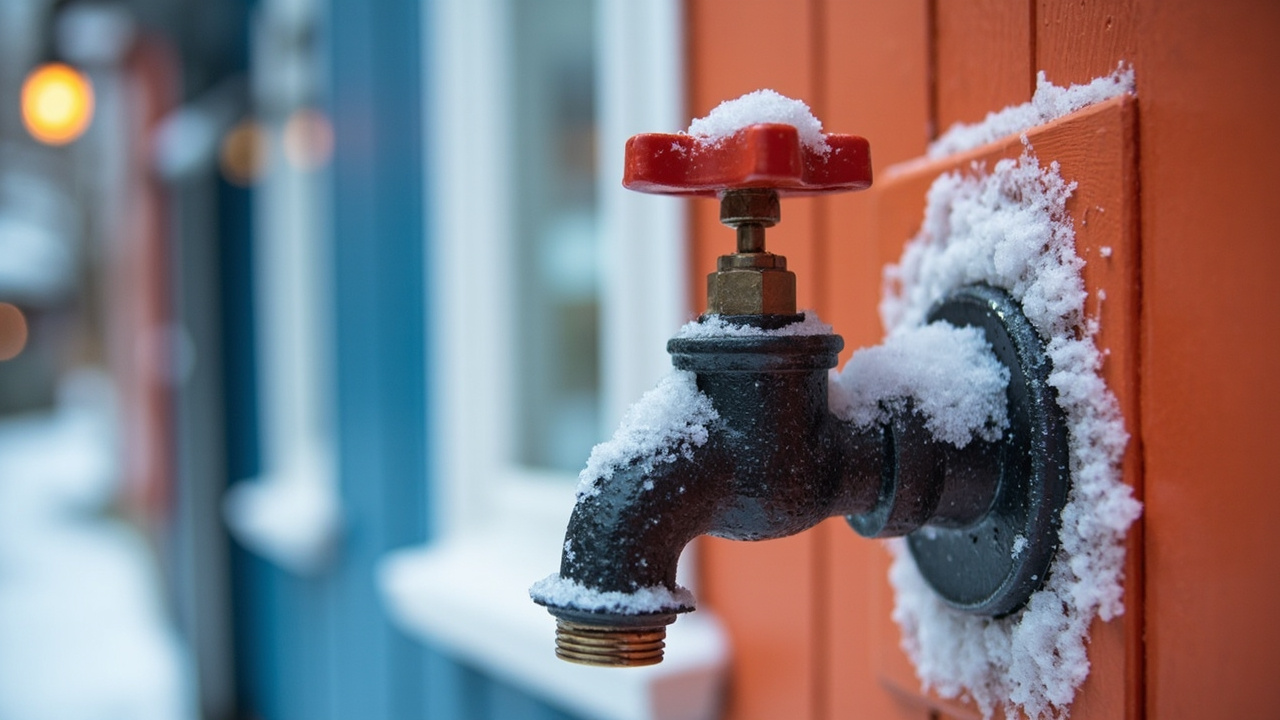
Prevention starts at the perimeter of your home. Before the first freeze of 2026 arrives, you should walk around your property and identify every exposed line. If you have an irrigation system for your garden, blow out the lines and shut off the dedicated valve. For your main plumbing, the most effective method is a combination of insulation and water movement. Start by wrapping every exterior faucet with an insulated cover. If you do not have a professional cover, you can use several layers of rags secured with heavy-duty tape. This prevents the freeze from starting at the most exposed point of the system.
If you live in a raised cottage, you must address the crawl space. The wind tunnel effect under a house can lower the temperature by several degrees compared to the street level. You can use foam pipe sleeves which are available at local hardware stores. These sleeves should be fitted tightly around the pipes with the seams taped shut. For added protection, consider installing a temporary skirt around the base of your home using plywood or heavy plastic sheeting. This blocks the wind and keeps the stagnant air under your house slightly warmer than the outside gusts. If you already have water damage from a previous incident, you should look into quick response water damage restoration for Lakeview homeowners in New Orleans for insights on how moisture affects different local foundations.
Essential Freeze Protection Checklist
- Wrap all outdoor faucets with foam covers or thick cloth.
- Disconnect all garden hoses and drain them for the winter.
- Insulate exposed pipes in the crawl space using foam sleeves.
- Open cabinet doors under sinks to let warm house air reach the pipes.
- Drip at least one faucet furthest from the main water intake.
- Check on elderly neighbors in Treme to ensure their heat is functioning.
- Verify the location of your main water shutoff valve.
Locating Your Main Water Shut off in a Historic Property
Finding the shutoff valve in a Treme home is not always easy. Unlike modern suburban homes where the valve is in a predictable spot, historic properties often have valves hidden in strange places. You might find yours inside a small concrete box near the sidewalk or tucked behind a lattice panel under the front porch. In some cases, the valve is located in the floor of a closet or under a kitchen sink. It is vital that you find this valve while it is still daylight and the weather is dry. If a pipe bursts at 3 AM, you do not want to be searching through the mud with a flashlight.
Once you find the valve, test it. Old valves can become seized due to the high mineral content in the local water supply. If it does not turn easily, do not force it with a heavy wrench as you might snap the handle or the stem. Apply a small amount of penetrating oil and try again later. If the valve is completely stuck, you need to call a plumber to replace it before the freeze hits. Being able to stop the flow of water immediately is the difference between a small cleanup and an emergency kitchen flood response in Uptown New Orleans scenario that ruins your hardwood floors.
Emergency Response What to Do if a Pipe Bursts
If you turn on your faucet and only a trickle comes out, your pipes are likely frozen. At this point, you must act to prevent a burst. Open the faucet fully to relieve pressure. As the ice melts, the water needs a place to go. If the pipe has already burst, the first step is to remain calm and shut off the main water supply immediately. Do not attempt to thaw pipes with a blowtorch or any open flame. This is a common cause of house fires in historic districts. Instead, use a hair dryer or a portable space heater kept at a safe distance from any flammable materials.
After the water is off, you need to address the standing water. In the humid New Orleans climate of 2026, mold can begin to grow in as little as 24 to 48 hours. This is especially true if the water has soaked into lath and plaster walls or original heart pine flooring. You should contact a professional restoration team that understands the unique needs of historic Treme buildings. If the leak involved a sewer line, you will need specialized help like the who to call for emergency sewage cleanup in Metairie and how to handle the damage now experts provide. The table below outlines the timeline of a typical burst pipe emergency and the restoration steps involved.
Burst Pipe Restoration Timeline
| Timeframe | Action Required | Goal |
|---|---|---|
| 0 to 2 Hours | Water shutoff and emergency call | Stop the source of the flooding |
| 2 to 24 Hours | Water extraction and debris removal | Prevent deep saturation of structural wood |
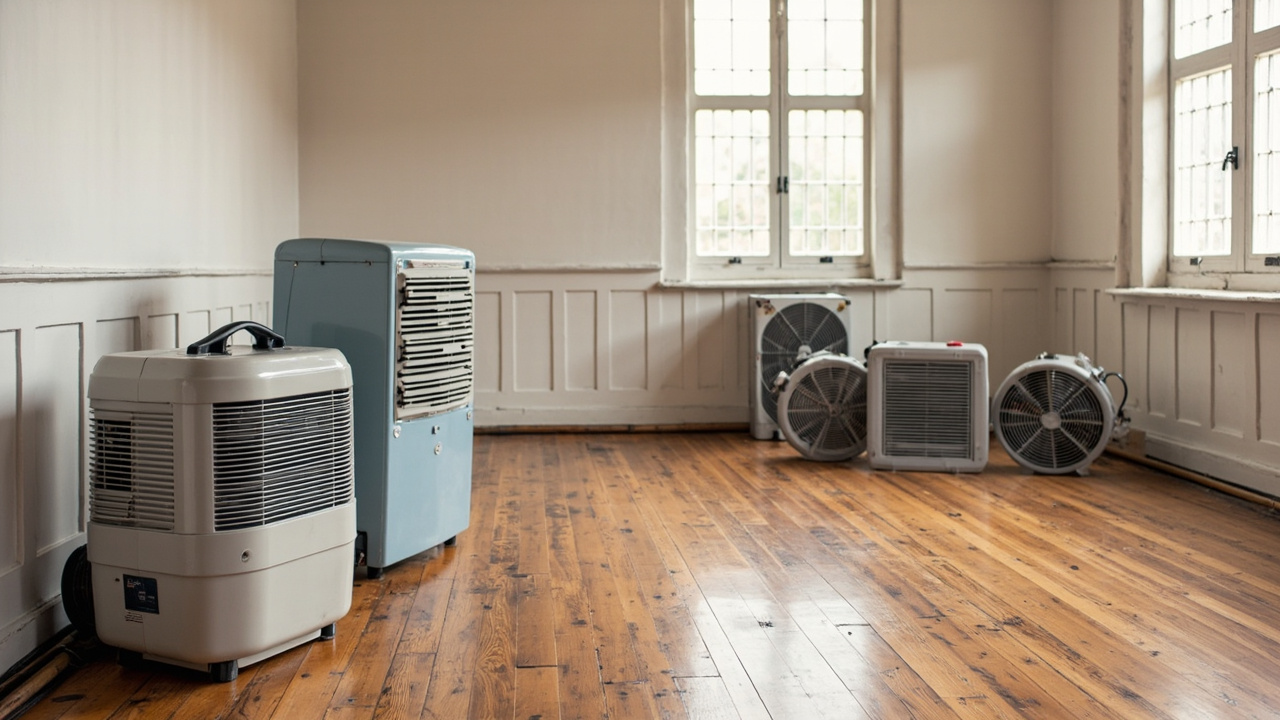
| 24 to 72 Hours | Industrial dehumidification and air moving | Lower humidity to prevent mold spores |
| 3 to 7 Days | Moisture monitoring and final drying | Ensure all materials meet dry standards |
Our Treme Water Damage Restoration Process
When we arrive at a Treme property, our first priority is stabilization. We use moisture meters to track how far the water has traveled behind your walls. In historic homes, water often hides in the wall cavities, soaking into the horsehair plaster or old insulation. Our team uses high capacity dehumidifiers and HEPA air scrubbers to manage the indoor environment. We focus on preserving as much of the original historic material as possible. We understand that Treme homeowners value the character of their houses, so we do not just tear everything out unless it is absolutely necessary for safety.
Mold is a constant threat in our city. If your home has been exposed to water for more than two days, we conduct thorough inspections for fungal growth. For homes in neighboring areas, we provide professional black mold removal for homes in Algiers and similar services for all New Orleans wards. Our technicians are trained to the IICRC standards, ensuring that every step of the drying process meets national safety guidelines. We also specialize in the delicate work required for high end properties, much like our professional mold remediation and preservation for Garden District historic mansions. We bring that same level of care to every cottage in Treme to ensure your home remains a safe and healthy environment.
Professional Drying and Long Term Protection
Once the water is removed and the structure is dry, we help you plan for future freezes. This might include recommending better insulation for your crawl space or suggesting the installation of a smart leak detection system. These modern 2026 devices can alert your phone the moment they detect a drop in temperature or an unusual flow of water. In a neighborhood where many residents travel or have second homes, these tools are invaluable. They allow you to shut off your water remotely before a single drop hits your floorboards.
The recovery process after a burst pipe involves more than just drying the floor. We handle the documentation for your insurance claim, providing the photos and moisture logs required by adjusters. We know the local adjusters and the specific requirements for New Orleans historic district claims. This helps speed up the process so you can get your home back to normal as quickly as possible. If you suspect your plumbing is vulnerable or if you are currently dealing with a water emergency, do not wait for the situation to get worse. Reach out to a team that knows Treme architecture and the specific needs of New Orleans homeowners in 2026. We are available 24 hours a day to help you protect your home from the next sudden freeze.