How water damage and Formosan termites threaten Lower Garden District homes
Homeowners in the Lower Garden District face a double threat every time a pipe leaks or a heavy rain saturates the soil. New Orleans has always dealt with high moisture levels but the connection between damp wood and Formosan subterranean termites is often overlooked. These pests do not just wander into your home by chance. They are actively seeking the specific conditions created by water damage. If you have a slow leak under your kitchen sink or a faulty seal around a window you are sending a signal to every colony in the neighborhood.
Formosan termites are different from the eastern subterranean variety. They are more aggressive and their colonies are much larger. They require a constant source of moisture to survive because their bodies dry out easily. In the Lower Garden District the architecture often features crawl spaces and old brick foundations that trap humidity. When water seeps into the structural timbers it softens the wood. This process breaks down the fibers and makes it easier for termites to consume the material. We call this softened wood a primary target for infestation.
The technical link between moisture levels and termite activity
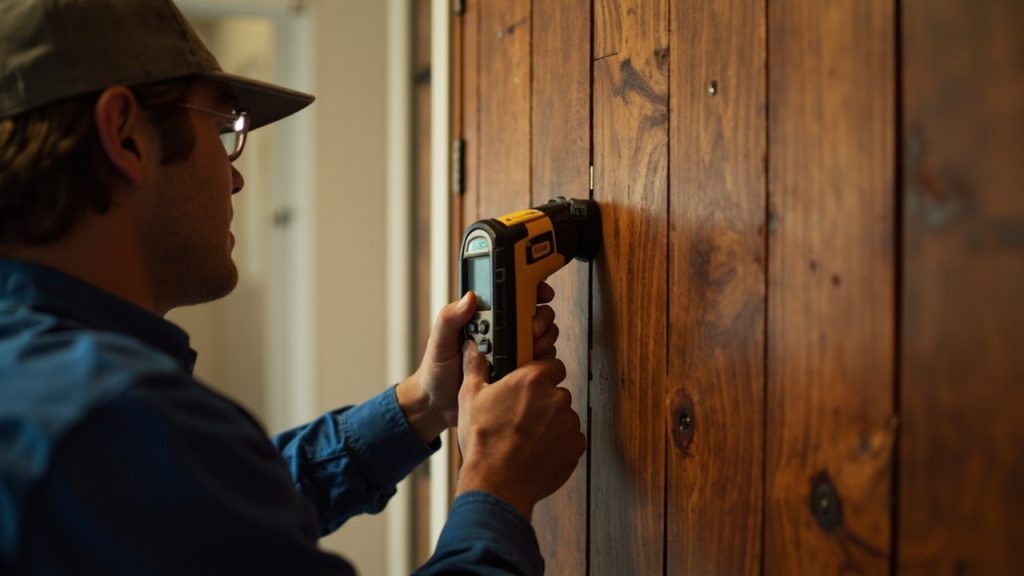
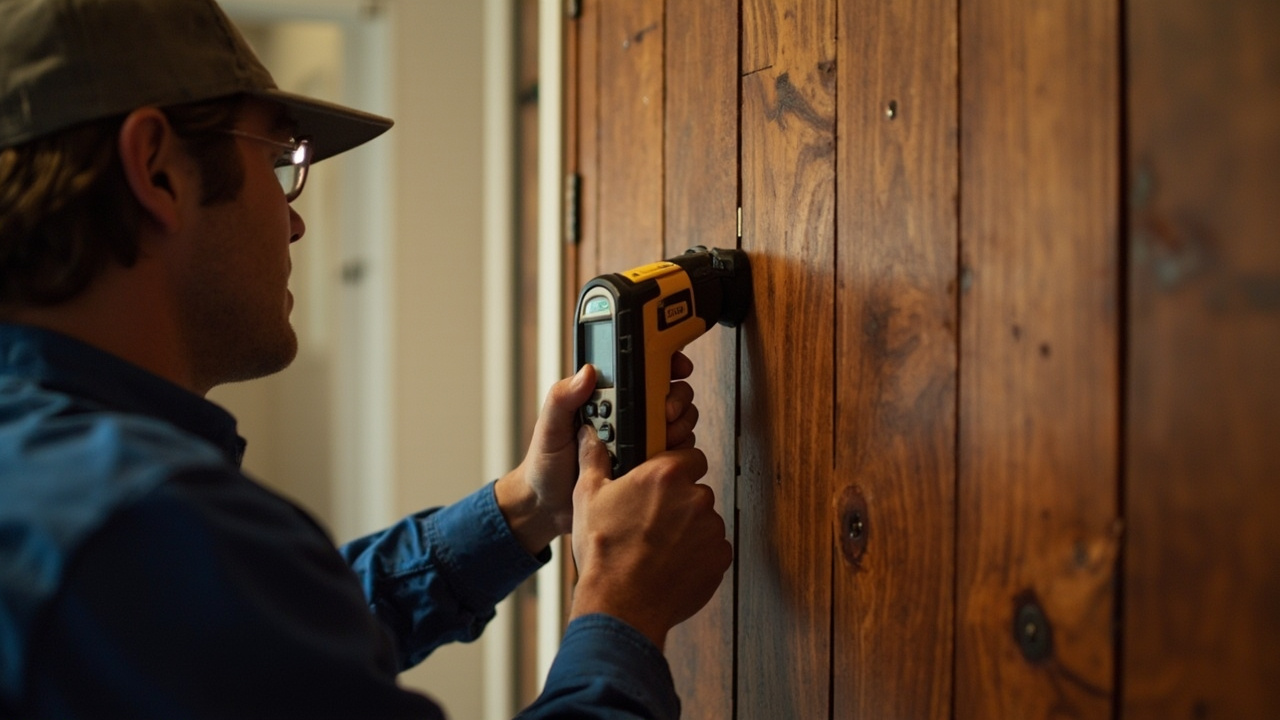
The technical side of this involves moisture content. We use professional meters to measure how much water is inside your drywall and studs. Normal wood in a climate controlled home should stay below 12 percent moisture. Once that number hits 20 percent the wood becomes a breeding ground for wood decaying fungi and a buffet for termites. If you have experienced an emergency kitchen flood response in Uptown New Orleans or the surrounding areas you know how quickly the environment changes.
Formosan termites are known to build secondary nests called cartons above the ground. These nests allow them to live inside your walls without returning to the soil for water. However they can only do this if there is an active water source within the structure. A leaking roof or a dripping HVAC condensation line provides enough liquid to sustain thousands of termites. This is why addressing water damage is not just about preventing mold. It is about protecting the structural integrity of your property against one of the most destructive pests in Louisiana. The Louisiana Department of Agriculture and Forestry monitors these infestations across the state and emphasizes the role of moisture control.
Identifying the signs of damage in historic properties
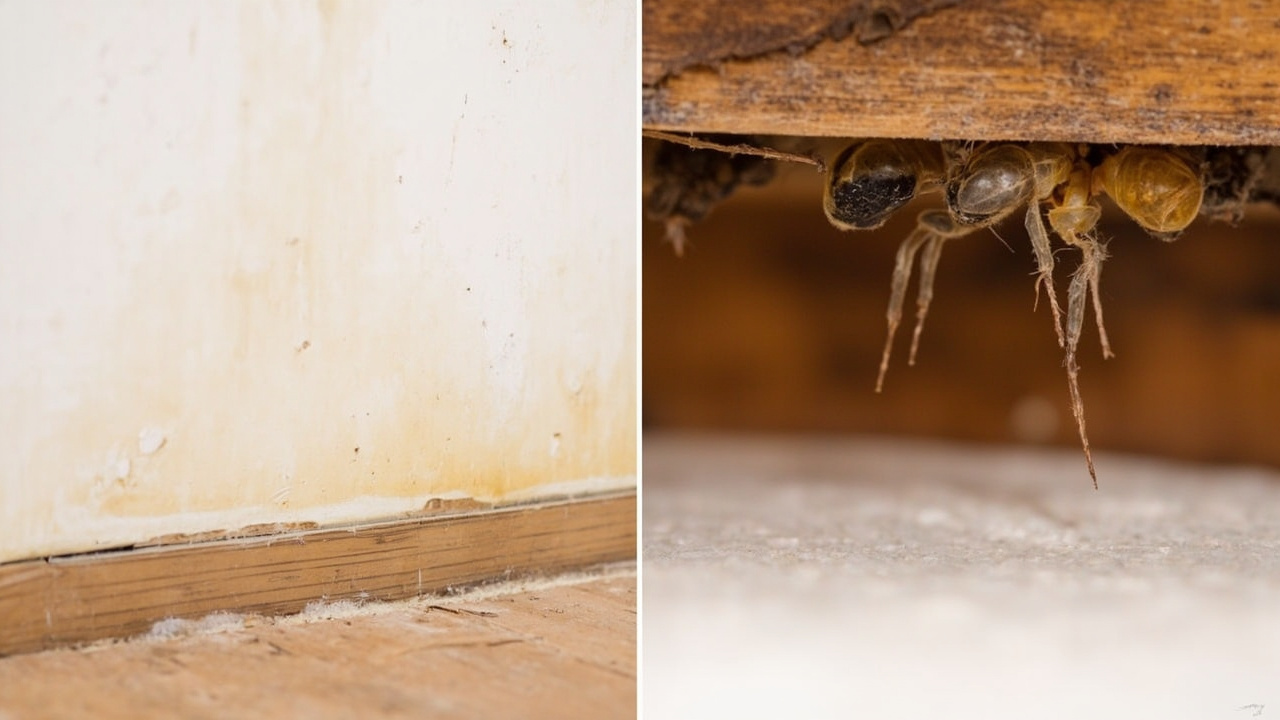
Identifying the difference between simple water rot and active termite damage is the first step in recovery. Water damage usually shows up as dark stains, peeling paint, or a musty odor. The wood feels soft when you press a screwdriver into it. Termite damage often looks like the wood is perfectly fine on the outside. However if you tap it the wood sounds hollow. You might see mud tubes which are small tunnels made of soil and saliva. These tubes protect the termites from drying out as they travel from the ground into your floor joists.
In the Lower Garden District many homes have beautiful original cypress. While heartwood cypress is somewhat resistant to termites the sapwood is not. Furthermore modern repairs often use pine or other softwoods that termites find delicious. If you are managing professional mold remediation and preservation for Garden District historic mansions you must look for the crossover between moisture and pest activity. Often a moisture problem that causes mold also hides a massive termite colony.
| Visual Indicator | Water Damage Signs | Termite Damage Signs |
|---|---|---|
| Wood Texture | Soft, spongy, or stringy | Hollowed out, brittle, or layered |
| Surface Appearance | Discolored, dark, or bubbling paint | Tiny pinholes or mud tubes |
| Odor | Musty and damp | Earthy or no distinct smell |
| Structural Sound | Thudding and dull | Empty and hollow clacking |
The restoration process for moisture compromised structures
When we arrive at a home in the Lower Garden District we start with a moisture map. We use thermal imaging cameras to see behind the plaster and lath walls common in this neighborhood. These cameras detect temperature differences caused by evaporation. If we find a cold spot it usually means there is trapped water. We then use invasive moisture probes to confirm the levels. If the wood is over 20 percent moisture content we must begin structural drying immediately.
Structural drying uses the science of psychrometrics. This is the study of air, moisture, and temperature. We use LGR or low grain refrigerant dehumidifiers to pull moisture out of the air. This creates a vapor pressure differential that draws water out of the wood. If we do not dry the wood quickly it will continue to attract termites. We follow strict standards set by the IICRC to ensure every part of the building reaches its dry goal. This prevents both mold growth and pest attraction.
For homeowners who need a quick response water damage restoration for Lakeview homeowners in New Orleans or those in the Lower Garden District speed is the most important factor. The longer wood stays wet the more pheromones termites release to call the rest of the colony. These pheromones act as a map for other termites to follow. If we dry the structure within 48 to 72 hours we significantly reduce the chance of an infestation starting after a leak.
Who to call first when you find damage
Many people are confused about whether to call a pest control company or a restoration company first. The answer depends on what you see. If you see swarming insects you need a pest professional to stop the active colony. However if you find wet wood or a leak you need a restoration expert to stop the water. In many cases both professionals must work together. We often dry the structure while the pest control team applies treatments to the soil or the wood. This two pronged approach ensures the termites do not return to the damp spot.
If the damage is severe we may need to remove structural members like sill plates or floor joists. In New Orleans homes the sill plate is the wood that sits on the foundation. It is the most common place for both water damage and termite activity. If this piece of wood fails your entire floor can sag. We see this often when helping people with emergency sewage cleanup in Metairie where groundwater intrusion has softened the subfloor and invited pests.
| Restoration Equipment | Purpose in NOLA Homes | Effectiveness on Damp Wood |
|---|---|---|
| LGR Dehumidifiers | Removing deep moisture from air | High in humid climates |
| Axial Air Movers | Promoting evaporation on surfaces | Essential for floor joists |
| HEPA Air Scrubbers | Removing spores and dust | Critical for indoor air quality |
| Thermal Cameras | Locating hidden leaks | Non-invasive and fast |
Maintaining your Lower Garden District property
Preventing the connection between water and termites requires constant maintenance. The soil in New Orleans is often saturated which means moisture is always pushing against your foundation. You should check your property at least twice a year for any changes. Look for the following items.
- Cracks in exterior stucco that allow rain to reach the framing.
- Leaking gutters that dump water next to the foundation.
- Plumbing leaks under the house or in crawl spaces.
- Plants or mulch that touch the siding and hold moisture against the wood.
- Condensation on windows that drips into the wall cavity.
If you find any of these issues you must act fast. A small drip can lead to a massive repair bill if termites find it. We also recommend checking your indoor air quality regularly. High humidity inside the home can lead to problems like those seen during professional black mold removal for homes in Algiers where poor ventilation and leaks combined to create a health hazard.
The cost of waiting to fix a leak
Waiting to fix water damage in a Formosan termite zone is a gamble. These insects can consume a significant amount of wood in a very short time. In 2026 the cost of structural timber and skilled labor in New Orleans has increased. Repairing a load bearing wall that has been destroyed by termites and rot is much more expensive than drying out a wall after a leak. We use moisture mapping to show you exactly where the danger zones are located. This allows you to make informed decisions about your property.
The Lower Garden District is known for its historic charm and architectural beauty. Preserving these homes means being proactive about moisture control. When we handle a restoration project we do not just dry the wood. We investigate why the moisture was there in the first place. We help you create a plan to keep the area dry so that termites have no reason to visit. Our team understands the unique challenges of the 2026 local climate and the specific building materials used in our neighborhood.
Protecting your investment from the inside out
Water restoration is the first line of defense against structural pests. By removing the one thing termites need most which is water we make your home an unattractive target. If your property has suffered from a pipe burst or heavy rain intrusion do not wait for the wood to dry on its own. The humidity in New Orleans makes natural drying almost impossible for structural timbers. Professional drying ensures that the moisture content drops back to safe levels quickly.
Contact us for a full moisture assessment of your Lower Garden District home. We use the latest technology to find hidden water and provide clear steps for restoration. Whether you are dealing with a small leak or major flood damage our team is ready to help you protect your home from both water and the pests that follow it.