


menu

Industrial Drying Services in New Orleans | Minimize Downtime with Industrial-Grade Dehumidification

Grand Water Damage Restoration New Orleans deploys commercial structural drying systems engineered to restore production facilities, warehouses, and multi-story office buildings across the greater New Orleans metro with minimal business interruption.

Slider Image 1
Slider Image 2
Slider Image 3
Slider Image 4
Slider Image 5
Slider Image 7
Slider Image 8
Slider Image 9
Slider Image 10
Slider Image 11

Water Intrusion in Commercial Facilities Costs More Than You Think

A single day of halted operations in a New Orleans warehouse or manufacturing plant translates to lost revenue, contract penalties, and supply chain disruptions that ripple for weeks. The city's position below sea level and high water table make commercial properties uniquely vulnerable to catastrophic flooding from storm surge, pipe failures in aging infrastructure, and HVAC condensate overflow during peak humidity months.

Standard commercial water drying services cannot handle the volume or complexity of industrial-scale intrusion. A burst chiller line in a food processing facility or a roof breach in a logistics center demands industrial dehumidification services with capacity measured in thousands of pints per day, not hundreds. Generic extraction equipment leaves residual moisture in concrete slabs, steel framing, and inventory that breeds mold within 48 hours in New Orleans's subtropical climate.

Every hour of delay increases secondary damage. Corroded electrical panels require replacement. Inventory loss climbs. Employee safety becomes a liability issue. You need industrial structural drying systems that remove moisture from building materials and contents simultaneously, preventing the cascading failures that turn a water event into a total loss.

Commercial structural drying requires understanding load-bearing wall assemblies, HVAC integration points, and the specific hygroscopic properties of materials common in New Orleans industrial buildings. Brick veneer over wood framing behaves differently than tilt-up concrete. Your drying protocol must account for these variables or you will face concealed moisture problems six months later when mold appears in inaccessible wall cavities.

Water Intrusion in Commercial Facilities Costs More Than You Think
How Industrial Drying Solutions Differ from Residential Methods

How Industrial Drying Solutions Differ from Residential Methods

Industrial structural drying operates on psychrometric principles scaled to commercial volumes. We calculate grain depression, vapor pressure differentials, and air changes per hour based on cubic footage that can exceed 500,000 square feet in a single facility. Our trailer-mounted desiccant dehumidifiers process air at rates residential equipment cannot approach.

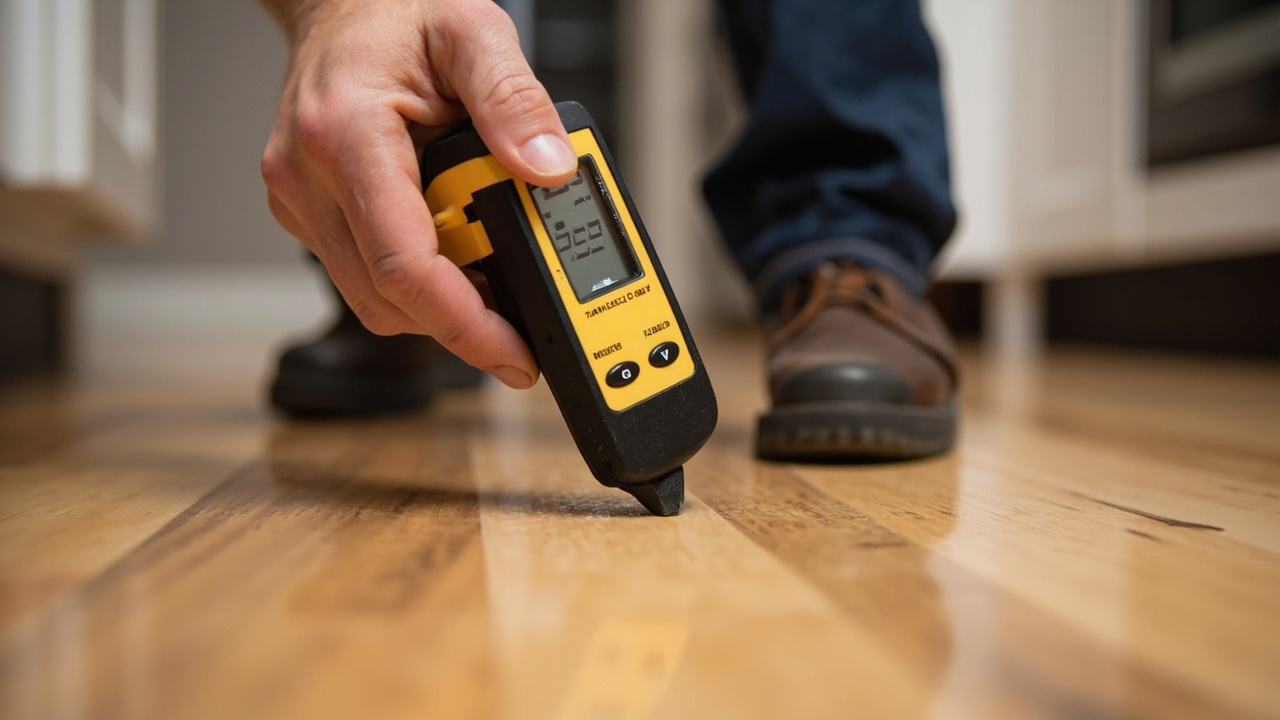
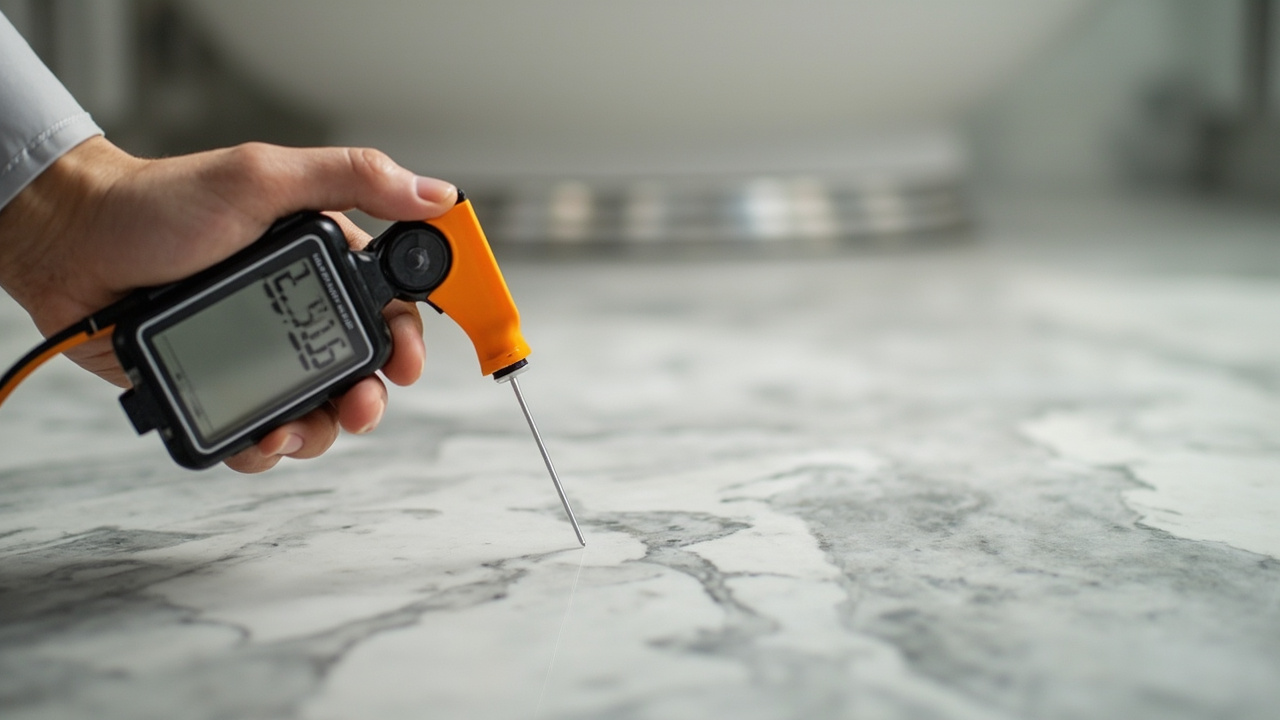
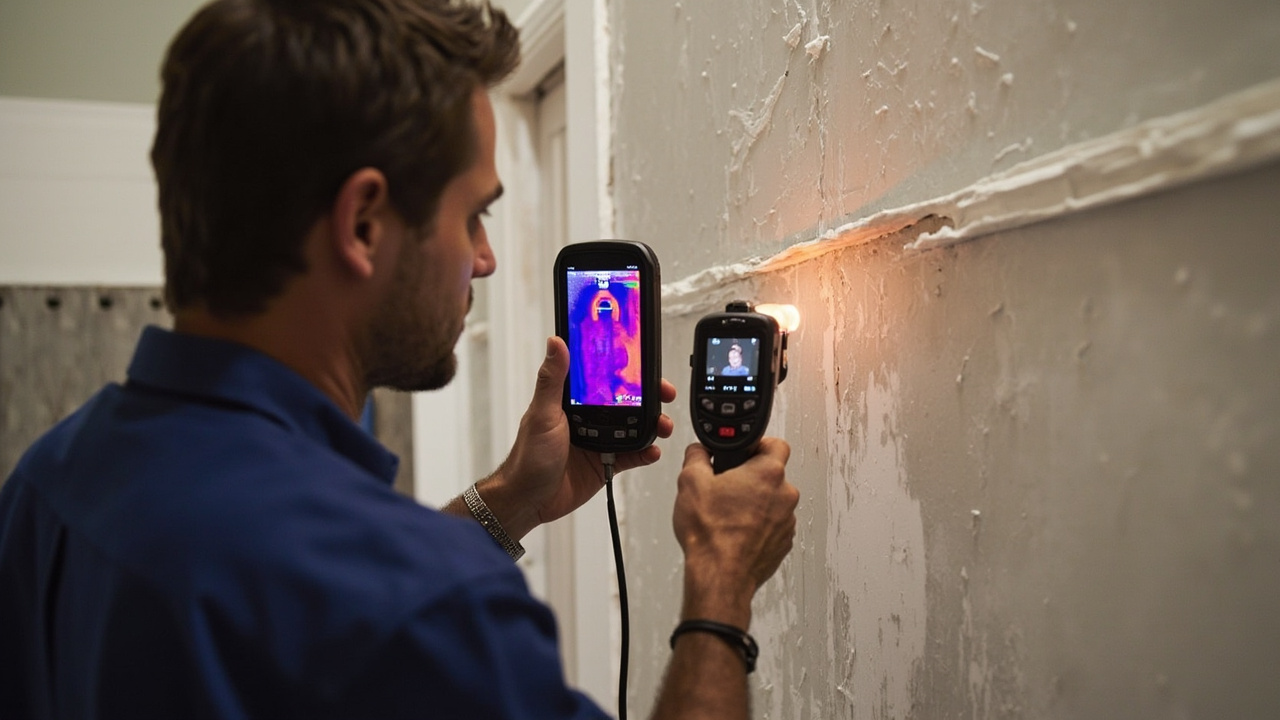
We begin with thermal imaging of entire building envelopes to map moisture intrusion patterns. Infrared scanning reveals water wicking through concrete floors from subsurface sources, a common issue in below-sea-level New Orleans construction. We document moisture content readings in structural members using penetrating pin meters and non-invasive scanners, creating a baseline for daily progress tracking.

Air movement strategy determines drying speed. We position axial fans to create laminar airflow across wet surfaces, maximizing evaporation rates without creating turbulence that spreads contamination. Low-grain refrigerant dehumidifiers maintain target humidity levels while desiccant units handle the heavy lifting in the first 72 hours when moisture release peaks.

Our commercial drying solutions include negative air pressure containment when water damage involves category 2 or 3 contamination. HEPA filtration prevents airborne particulates from migrating into clean areas. We coordinate with your facility managers to maintain fire suppression system integrity and emergency egress access throughout the drying process.

Temperature control matters in industrial settings. We inject heat into the drying environment using indirect-fired heaters that raise ambient temperature without introducing combustion byproducts. Every 10-degree increase in temperature doubles the air's moisture-carrying capacity, cutting drying time substantially. This matters when you are paying employees to stand idle or rerouting production to backup facilities.

Our Industrial Water Extraction Protocol

Industrial Drying Services in New Orleans | Minimize Downtime with Industrial-Grade Dehumidification
01

Emergency Facility Assessment

Our project manager arrives on-site within two hours to evaluate structural stability, electrical hazards, and contamination levels. We identify critical equipment requiring immediate protection and establish containment zones to isolate affected areas from active operations. You receive a preliminary scope and equipment deployment plan before any work begins, allowing you to notify stakeholders and adjust operational schedules.
02

High-Volume Water Removal

Truck-mounted extractors remove standing water at rates exceeding 200 gallons per minute. We use weighted extraction wands on carpeted areas and ride-on extractors for open floor plans. Moisture mapping continues throughout extraction to verify subsurface water removal from concrete slabs and identify areas where water has migrated behind walls or under equipment pads. All extracted water is documented for insurance and regulatory compliance.
03

Controlled Environment Drying

We establish target psychrometric conditions based on material composition and occupancy requirements. Daily moisture readings track drying progress in structural elements until readings fall within IICRC S500 standards for secondary damage prevention. Our technicians adjust equipment placement and airflow patterns as conditions change, ensuring efficient moisture removal without over-drying that can damage wood components or create static electricity hazards in production environments.

Why New Orleans Facility Managers Choose Grand Water Damage Restoration

Operating below sea level creates hydrostatic pressure scenarios that force water through foundation walls and floor slabs even after surface flooding recedes. We understand how New Orleans's perched water table behaves during heavy rain events and how dewatering systems must account for the Mississippi River's stage height influencing groundwater levels across the metro area.

Our equipment inventory includes specialized drying mats for hardwood floors common in historic warehouse conversions along Tchoupitoulas Street and low-profile air movers for the tight crawl spaces found under raised structures in Mid-City and Gentilly. We know which parish permits are required for temporary power generation and how to coordinate with Sewerage and Water Board protocols when the intrusion involves sanitary sewer backups.

Commercial insurance adjusters in Louisiana expect documentation that meets specific evidential standards. We provide daily moisture logs, photographic progression records, and psychrometric charts that satisfy both your carrier's requirements and the expectations of independent adjusters familiar with Orleans Parish claim patterns. This documentation prevents disputes and accelerates claim resolution.

Your operations cannot wait for a drying contractor to learn your facility layout during an emergency. We pre-survey complex industrial sites, mapping utility shutoffs, drainage points, and HVAC zones so our response plan is executable within hours of your call. For facilities with 24-hour production schedules, we coordinate shifts to maintain drying progress without creating safety conflicts with your personnel.

We maintain relationships with industrial hygienists, structural engineers, and environmental consultants who can provide third-party verification when your insurer or regulatory body requires independent assessment of drying effectiveness or mold risk.

What Your Business Can Expect from Industrial Drying Services

Rapid Equipment Deployment

Our first equipment arrives within two hours of your call. Full-scale drying operations begin within four to six hours depending on facility access and power availability. We maintain a fleet of trailer-mounted dehumidifiers, generators, and air movers specifically for large-loss commercial projects, ensuring equipment availability even during widespread weather events when demand spikes. For facilities requiring overnight or weekend response, our dispatch operates around the clock with no premium charges for after-hours mobilization.

Comprehensive Moisture Assessment

Initial assessment includes infrared thermal scanning of all affected areas, moisture probe readings in structural cavities, and documentation of pre-existing conditions that might complicate drying. You receive a written scope within 24 hours detailing expected drying duration, equipment requirements, and any recommended demolition to access concealed wet materials. Our project managers communicate daily progress updates and adjust timelines based on measured results, not guesswork. This transparency allows accurate business continuity planning and vendor coordination.

Certified Dry Standards

We do not remove equipment until moisture readings match or fall below pre-loss conditions in all affected materials. Final documentation includes moisture meter readings, thermal images showing temperature normalization, and relative humidity logs proving stable psychrometric conditions. This certified dry standard protects you from mold liability and satisfies insurance requirements for claim closure. Your insurance adjuster receives a comprehensive report suitable for submission with your proof of loss documentation and supporting any business interruption claims.

Post-Drying Monitoring Access

We provide 30-day post-drying monitoring at no additional charge for projects exceeding 10,000 square feet. Our technicians return to re-scan previously wet areas and verify no moisture rebound has occurred, particularly important in New Orleans's humid climate where equilibrium moisture content in building materials runs higher than arid regions. If any areas show elevated readings, we redeploy equipment immediately. This monitoring period gives you confidence before committing to reconstruction and prevents costly do-overs from premature build-back.

Frequently Asked Questions

You Have Questions,
We Have Answers

What is industrial drying? +

Industrial drying is the controlled removal of moisture from commercial and industrial facilities following water damage, flooding, or plumbing failures. This process uses specialized equipment like desiccant dehumidifiers, air movers, and low-grain refrigerant units to extract water from structural materials, equipment, and inventory. In New Orleans, high humidity and storm-related flooding make industrial drying critical for preventing secondary damage like mold growth, corrosion, and structural decay. The process protects operational continuity, minimizes downtime, and prevents costly long-term damage to building materials and assets. Professional industrial drying follows strict protocols to meet insurance requirements and building codes.

What are the three main drying methods? +

The three main drying methods are evaporation, dehumidification, and ventilation. Evaporation converts liquid water to vapor using heat and airflow. Dehumidification removes moisture from air using refrigerant or desiccant systems. Ventilation exchanges humid indoor air with drier outdoor air. In New Orleans commercial facilities, dehumidification is often primary because outdoor humidity typically exceeds 70 percent, making ventilation ineffective. Refrigerant dehumidifiers work well in climate-controlled environments, while desiccant systems handle low-temperature or extreme-humidity conditions. Most industrial projects combine all three methods strategically based on materials affected, facility type, and environmental conditions to achieve optimal moisture removal efficiency.

What are the different types of industrial dryers? +

Industrial dryers include desiccant dehumidifiers, low-grain refrigerant units, centrifugal air movers, axial fans, heat drying systems, and structural cavity dryers. Desiccant units use silica gel to absorb moisture and work in cold or extreme-humidity conditions. Refrigerant dehumidifiers condense moisture through cooling coils and excel in controlled environments. Air movers create airflow across wet surfaces to accelerate evaporation. Heat systems raise ambient temperature to speed drying. Specialty equipment like injecti-dry systems target wall cavities and structural voids. In New Orleans industrial facilities, equipment selection depends on building construction, affected materials, and the extent of water intrusion. Multi-unit configurations are common for large-scale commercial losses.

What is the most effective drying method? +

The most effective drying method combines controlled dehumidification with strategic airflow and temperature management. No single method works universally because effectiveness depends on material type, water category, building construction, and environmental conditions. For New Orleans commercial properties, refrigerant dehumidification paired with directed air movement typically delivers optimal results in climate-controlled spaces. Desiccant systems outperform in warehouse environments or during winter months when ambient conditions limit refrigerant efficiency. The most effective approach uses psychrometric calculations to determine grain depression, vapor pressure, and drying chamber optimization. Professional assessment ensures the method matches the specific loss conditions and business continuity requirements.

How does an industrial dryer work? +

An industrial dryer removes moisture by manipulating temperature, humidity, and airflow. Refrigerant dehumidifiers pull humid air across cold coils, condensing water vapor into a collection tank while returning dried air to the environment. Desiccant units pass air through moisture-absorbing silica gel, then regenerate the desiccant through heating cycles. Air movers create velocity across wet surfaces, accelerating evaporation by disrupting the boundary layer of saturated air. Heat systems raise temperature to increase vapor pressure and evaporation rates. In New Orleans facilities, equipment operates continuously in controlled drying chambers, with technicians monitoring moisture meters and adjusting equipment placement to achieve structural drying goals within code-required timeframes.

How long does an industrial dryer take? +

Industrial drying duration ranges from three days to three weeks depending on building materials, water intrusion extent, and facility type. Concrete and masonry common in New Orleans commercial construction require longer drying times than wood-frame structures. Category 3 water or extensive saturation extends timelines. A typical office space with contained water damage reaches drying goals in five to seven days. Warehouses with concrete slabs and metal buildings may need 10 to 14 days. Large-scale losses affecting multiple floors or complex HVAC systems can require three weeks. Professional moisture mapping and daily documentation track progress and adjust equipment deployment to meet insurance and operational deadlines.

What are common drying problems? +

Common drying problems include secondary mold growth, material delamination, inadequate equipment capacity, moisture migration, and premature equipment removal. In New Orleans, high ambient humidity causes moisture wicking from surrounding areas into dried zones. Concrete slab moisture trapped under vapor barriers creates hidden pockets requiring specialty extraction. Insufficient dehumidification allows mold colonization within 48 to 72 hours. Improper air movement creates dead spots where moisture persists. Cold spots from over-dehumidification cause condensation on metal surfaces. Delayed response increases structural damage and extends drying time. Professional monitoring using thermal imaging and moisture meters identifies problems early, preventing project delays and additional damage to inventory or equipment.

How long does drying take? +

Drying time for commercial facilities ranges from 72 hours to 21 days based on construction type, saturation depth, and affected materials. New Orleans buildings with brick veneer and concrete foundations require extended drying compared to metal structures. Class 1 losses with minimal absorption dry in three to five days. Class 4 losses affecting concrete, stone, or hardwood need two to three weeks. Humidity levels, airflow access, and equipment capacity directly impact duration. Professional restoration uses moisture content targets rather than arbitrary timelines. Daily monitoring adjusts equipment configuration to accelerate progress while preventing secondary damage. Business interruption coverage often hinges on documented drying protocols and completion dates.

What do we call this process of drying? +

This process is called structural drying, dehumidification, or moisture remediation in professional restoration terminology. The complete protocol includes water extraction, evaporation management, dehumidification, and verification through moisture testing. Insurance documentation refers to it as mitigation or emergency services. Building science professionals use psychrometric drying or controlled drying chamber methodology. In New Orleans commercial settings, the process follows IICRC S500 standards for water damage restoration. The term describes both the technical removal of moisture from building materials and the business-critical process of returning facilities to pre-loss condition. Proper terminology in documentation ensures insurance compliance and demonstrates adherence to industry standards for liability protection.

What is a commercial dryer? +

A commercial dryer refers to high-capacity dehumidification and drying equipment designed for large-scale industrial and business applications. Unlike residential units, commercial dryers process higher volumes of air, operate continuously under demanding conditions, and integrate with building management systems. Types include trailer-mounted desiccant units, industrial refrigerant dehumidifiers rated for 200-plus pints daily, and specialized equipment for manufacturing or warehouse environments. In New Orleans commercial facilities, these units handle the unique challenges of high humidity, large square footage, and 24-hour operations. Commercial dryers meet stringent performance standards, withstand jobsite conditions, and provide verifiable moisture removal data required for insurance claims and regulatory compliance in industrial settings.

Why New Orleans's Below-Sea-Level Geography Demands Specialized Industrial Drying

New Orleans sits at an average elevation of six feet below sea level, with some industrial areas in New Orleans East and along the Inner Harbor Navigation Canal dropping to 10 feet below sea level. This creates constant hydrostatic pressure against foundation walls and floor slabs that can force groundwater intrusion even when no surface flooding occurs. During heavy rain events, the water table rises rapidly, and pumping station capacity determines how quickly water recedes. Industrial facilities built on filled land near Lake Pontchartrain or along the Mississippi River corridor face unique foundation moisture challenges that require industrial dehumidification services capable of sustained operation for weeks, not days.

Commercial building codes in Orleans Parish require specific flood-resistant construction standards, but older industrial buildings constructed before updated FEMA flood maps often lack adequate water intrusion protection. Our team understands the local construction timeline and can identify which facilities require enhanced drying protocols based on construction era and location within the levee protection system. We work regularly with the same insurance adjusters, industrial hygienists, and commercial property managers across the New Orleans metro, which streamlines communication and ensures everyone understands the unique environmental factors affecting commercial water drying services in this market.
Water Damage Restoration Services in The New Orleans Area

While Grand serves the wider region with our expert water damage restoration services, we invite you to view our central operational location on the map. This helps you visualize our base of operations and understand our commitment to providing swift, efficient service across our service areas. Our team is strategically positioned to ensure rapid deployment when you need us most, so don't hesitate to contact us regardless of your specific location within our service radius.

Address:
Grand Water Damage Restoration New Orleans, 201 St Charles Ave, New Orleans, LA, 70170

Additional Services We Offer

Our news updates

Latest Articles & News from The Blogs

Restoring Water Damaged Marble and Limestone in English Turn Luxury BathroomsHigh end residential properties in the English Turn community of…

Restoring Water Damaged Marble and Limestone in English Turn Luxury Bathrooms

Restoring Water Damaged Marble and Limestone in English Turn Luxury BathroomsHigh end residential properties in the English Turn community of…

How to Decide Between Structural Drying and Surface Cleanup for Your Leonidas Property

How to Decide Between Structural Drying and Surface Cleanup for Your Leonidas PropertyLeonidas property owners often face a difficult choice…

The Best Way to Handle a Leaky Icemaker Line in Your Lakewood Kitchen

The Best Way to Handle a Leaky Icemaker Line in Your Lakewood Kitchen A leaky icemaker line in your Lakewood…

Contact Us

Every hour of delay increases your loss. Call Grand Water Damage Restoration New Orleans now at (504) 355-2332 for immediate industrial drying deployment. Our commercial response team is standing by with equipment ready to mobilize to your facility today.