
Dealing with Ceiling Water Damage Repair in Mid-City New Orleans
A damp spot on your ceiling in a Mid-City apartment requires immediate action. If you live near Banks Street or over by Bayou St. John, you know that older buildings face unique plumbing and roofing challenges. Waiting even twenty-four hours can turn a small leak into a structural failure. High humidity levels in New Orleans during 2026 make moisture control difficult once a leak begins. You need a team that understands the specific lath and plaster construction common in this neighborhood.
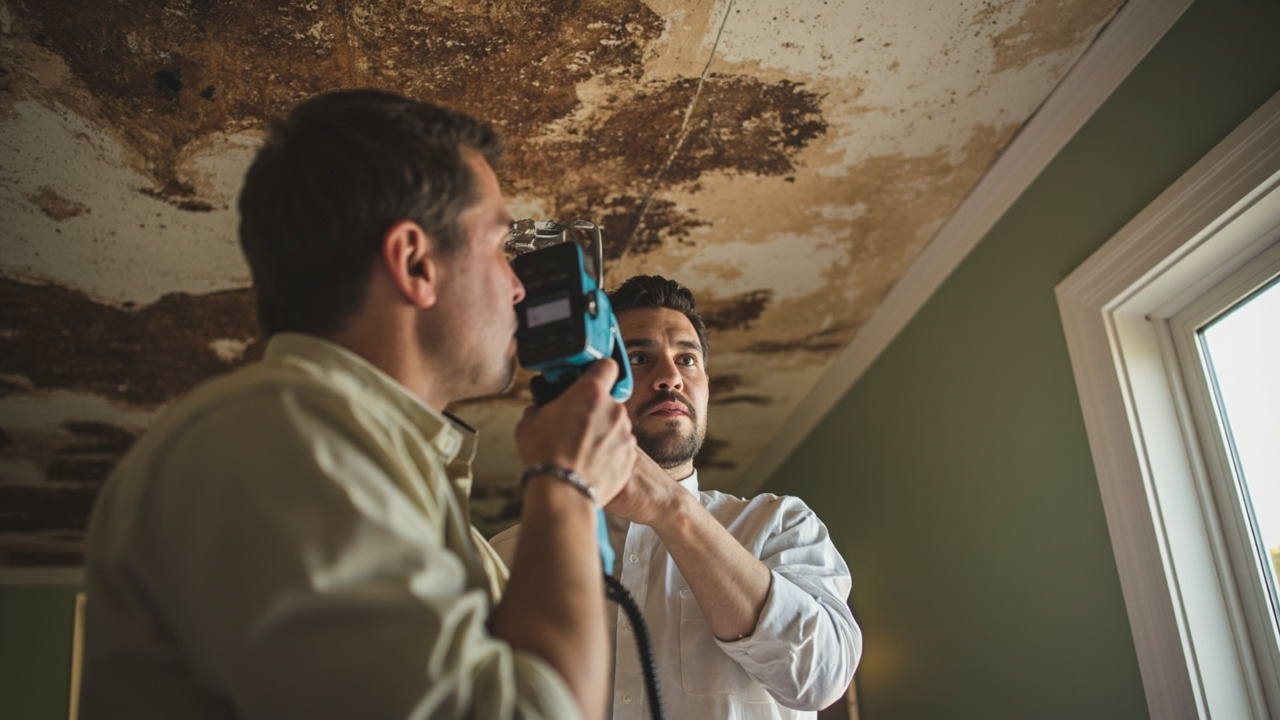
Ceiling leaks often stem from a few specific sources in our area. Residents in historic shotgun houses frequently deal with aging pipes or roof damage from sudden summer storms. In newer apartment complexes near the medical district, issues often involve HVAC condensate line clogs or upstairs neighbor overflows. Regardless of the cause, the first step is always to stop the water source. Once the water stops, the professional drying and restoration process must begin to prevent long-term structural issues or mold growth.
Emergency Ceiling Mitigation in Mid-City Homes
When you see a sagging ceiling, the weight of the water is actively pulling on the drywall or plaster. This is an emergency situation. A ceiling collapse can damage your furniture and creates a safety risk for anyone in the room. Professional mitigation starts with a quick inspection of the attic or the floor above. We use thermal imaging to find exactly where the water is traveling. This technology allows us to see moisture hidden behind walls without tearing everything down first.
We recommend moving your valuables out of the splash zone immediately. If the ceiling is bulging, we might perform a controlled release of the water. This involves placing a bucket underneath and poking a small hole to drain the pooled liquid. This simple action can sometimes prevent the entire sheet of drywall from falling. After we stabilize the area, we focus on structural drying services to remove deep-seated moisture from the joists and subflooring.
Identifying the Source of the Leak
Finding the source of a ceiling leak in Mid-City can be tricky due to the way these homes were built. Water rarely moves in a straight line. It often hits a joist and travels several feet before it starts to pool and show through your paint. If you see water stains on drywall, the leak might be far from the visible spot. Our team checks the following areas immediately.
- AC condensate drain pans and lines in the attic.
- Old galvanized or copper pipes that have developed pinhole leaks.
- Roof flashing around chimneys or vents damaged by high winds.
- Improperly sealed bathroom tile in the unit above yours.
- Clogged gutters causing water to back up under the roof shingles.
For more information on plumbing related issues, the EPA provides a guide on moisture control that highlights how essential it is to fix leaks quickly. If the leak came from a toilet or a drain, the water is considered gray or black water. This requires specific sanitization and odor removal protocols to ensure the space is safe for your family.
Comparison of Ceiling Material Repair Requirements
The type of material in your Mid-City apartment determines how we approach the repair. Plaster behaves very differently than modern drywall when it gets wet. This table shows the typical differences we see in 2026 restoration projects.
| Feature | Drywall Ceilings | Plaster and Lath Ceilings |
|---|---|---|
| Moisture Absorption | High and quick to sag | Slower but retains water longer |
| Replacement Threshold | Usually requires replacement if soaked | Can often be saved if dried quickly |
| Drying Difficulty | Moderate | High due to wood lath backing |
| Repair Method | Cut out and patch | Re-pinning or specialty patching |
| Risk of Collapse | Sudden and heavy | Gradual cracking and crumbling |

Professional Restoration Process for NOLA Residents
Our restoration process is built on fifteen years of local experience. We do not just slap a coat of paint over a stain. We follow a strict protocol to ensure your home is dry and safe. First, we use moisture meters to establish a drying baseline. This tells us exactly how much water is in the materials. We then set up industrial grade dehumidifiers and air movers. You can learn more about this in our guide on how long does drying take for various materials.
If the water is contaminated, we must remove the affected materials. In 2026, we follow the latest IICRC S500 standards for water damage restoration. This ensures that every step we take meets the highest industry requirements for safety and efficacy. We also look for signs of hidden mold that might have started growing before the leak became visible on your ceiling.
Technical Moisture Detection in Historic Shotgun Houses
Mid-City is famous for its shotgun houses. These narrow homes often have crawl spaces and high ceilings that create unique airflow patterns. When a ceiling leaks in a shotgun house, the moisture can easily migrate into the shared walls. We use infrared cameras to track this migration. This is a non-invasive way to ensure we do not miss any pockets of water that could cause swollen baseboards and trim later on.
If the leak happened in the kitchen, we also check behind cabinets. A dishwasher leak emergency can often send water into the ceiling of a basement or lower level apartment. We ensure every cavity is reached by our drying equipment. We use specialized floor mats and injectidry systems to pull moisture out of hard to reach places.
Timeline and Logistics for Ceiling Repairs
Repairing a ceiling is a multi-phase process. You cannot rush the drying phase. If you paint over a damp ceiling, the paint will peel within weeks. This table outlines a typical timeline for a standard ceiling leak repair in a Mid-City apartment during the 2026 season.
| Phase | Activity | Estimated Timeframe |
|---|---|---|
| Emergency Phase | Water extraction and source repair | 1 to 4 hours |
| Drying Phase | Dehumidification and air movement | 3 to 5 days |
| Cleaning Phase | Sanitization and debris removal | 1 day |
| Repair Phase | Drywall or plaster replacement | 2 to 3 days |
| Finishing Phase | Sanding, priming, and painting | 1 to 2 days |
During the drying phase, the equipment will be loud. It needs to run twenty-four hours a day to be effective. We monitor the progress daily and adjust the equipment as the moisture levels drop. This phase is critical for preventing the need for mold remediation and removal later. Once the moisture levels match the dry standard of your home, we move on to the reconstruction phase.

Insurance Coordination for Mid-City Property Owners
Dealing with insurance companies in New Orleans can be a full time job. We help you by providing the exact documentation your adjuster needs. We use software that most major carriers recognize, which helps speed up the approval process. If you are unsure about your coverage, we can help you understand how to handle insurance claims effectively. We document every step of the mitigation with photos and moisture readings.
Many people ask does insurance cover mold if the ceiling leak was ignored. Usually, insurance covers sudden and accidental damage but may deny claims related to long term neglect. This is why calling us the moment you see a stain is vital. We provide the professional evidence needed to prove the damage was a sudden event like a burst pipe water damage situation.
Maintaining Your Mid-City Home Against Future Leaks
Preventative maintenance is the best way to avoid the stress of a ceiling leak. Mid-City apartments are often surrounded by large trees. Ensure your gutters are cleaned at least twice a year to prevent water from backing up into your attic. Check your AC drain lines every spring before the New Orleans heat becomes intense. You should also look at the caulking around your windows and bathtub. Small cracks can allow water to seep into the floorboards and eventually drip through the ceiling below.
If you notice peeling paint and wallpaper, do not ignore it. This is often the first sign of a slow leak or high indoor humidity levels that need to be addressed. Taking these steps now can save you from the water damage restoration cost 2026 rates for major repairs.
Choosing a Local Restoration Expert
Working with a company that is actually located in New Orleans makes a difference in response time. We can get to Mid-City within an hour in most cases. We know the local building codes and the specific challenges of 70119 architecture. Our trucks are pre-loaded with the latest drying technology for 2026, including LGR dehumidifiers and high-speed air movers. We are committed to getting your apartment back to normal as quickly as possible.
If you are currently facing a ceiling leak, do not wait. Turn off your water main if the leak is active and call a professional. We offer 24/7 emergency water removal to help you protect your home. Let our fifteen years of local experience work for you to ensure your ceiling is repaired correctly the first time.
For immediate assistance with ceiling water damage in Mid-City, reach out to our team today. We provide full inspections and will work directly with your insurance to make the process as smooth as possible. Your home deserves the highest level of care from experts who know New Orleans inside and out.