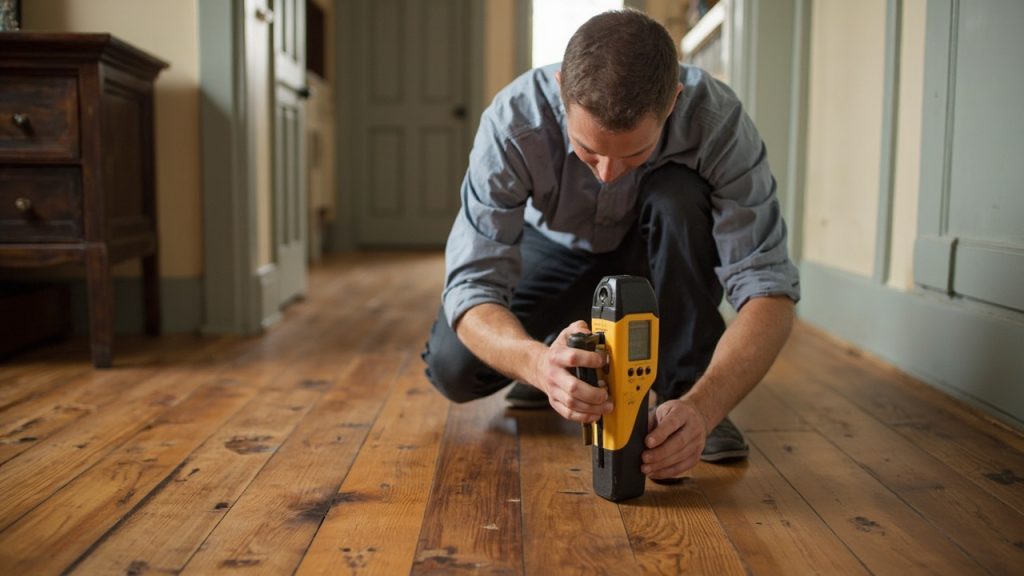
Living in the Marigny means living with history. The creole cottages and shotgun homes that line our streets feature some of the finest original woodwork in the United States. When water enters these historic spaces, the fear of losing original heart pine or cypress flooring is immediate. Residents often worry that a flood means the end of their home’s architectural soul. This is not always the case in 2026. Modern restoration technology allows us to save materials that were once considered unsalvageable. Success depends on the speed of your response and the specific physics of the wood in your home.
New Orleans presents a unique challenge for water damaged hardwood floor repair New Orleans due to our extreme humidity. In the Marigny, many homes sit on raised piers, while others have settled closer to the damp soil. This proximity to the high water table influences how wood reacts to a flood event. If you experience a pipe burst or a flash flood during the 2026 rainy season, you must act before the wood fibers saturate beyond their fiber saturation point. Once wood absorbs enough water to reach this point, the cellular structure begins to change permanently.
Immediate Extraction and Moisture Control in New Orleans Homes
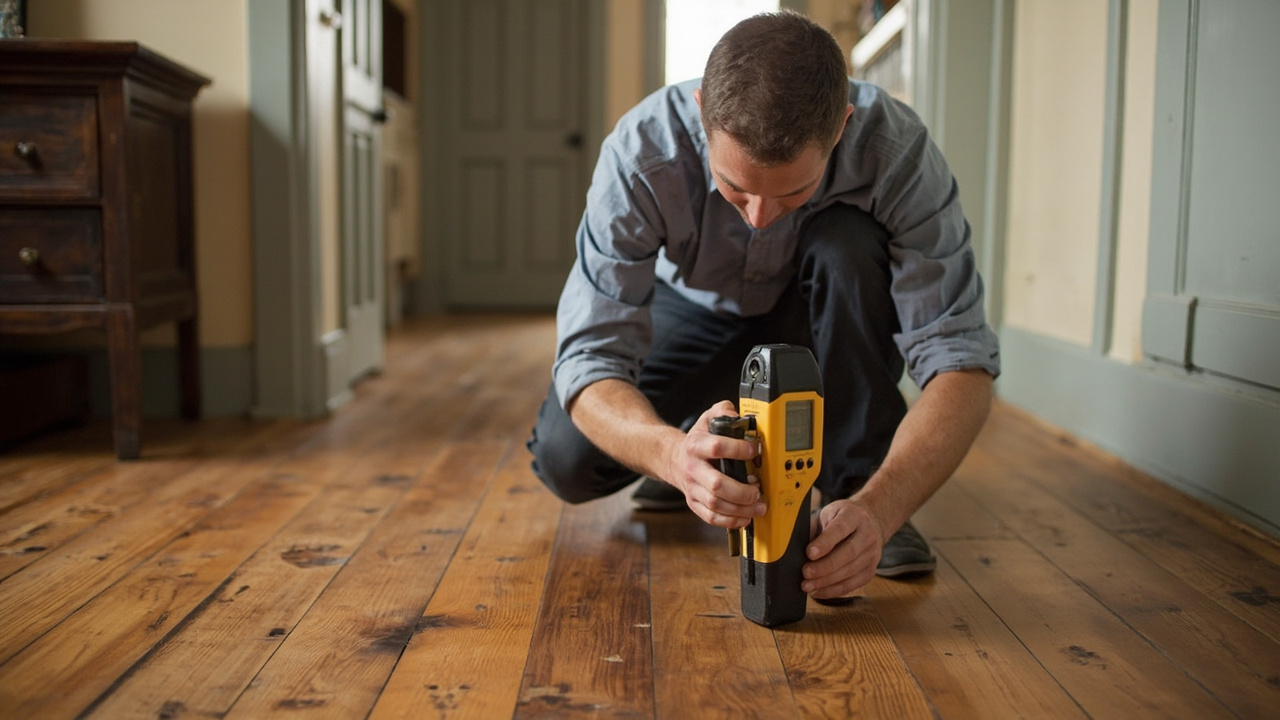
The first sixty minutes after water enters your home determine the fate of your floors. Standing water is the enemy of historic heart pine. Unlike modern oak floors, old growth cypress and pine have a dense grain structure that resists water at first. But long term exposure allows water to seep into the tongue and groove joints. Our team focuses on high volume extraction using weighted vacuum systems. These tools pull water from deep within the wood grain and the subfloor beneath it.
Getting a quick response water damage restoration for Lakeview homeowners in New Orleans is the standard we apply to the Marigny as well. While Lakeview often deals with different architectural styles, the urgency remains the same. We use thermal imaging cameras to see exactly where water has migrated under the baseboards. In Marigny homes, water often hides behind thick plaster walls and beneath the original floorboards. If left alone, this moisture creates a microclimate that feeds mold and causes the wood to swell.
We monitor the atmospheric conditions inside your home using digital hygrometers. In the current 2026 climate, New Orleans outdoor humidity often stays above eighty percent. We must create a controlled environment inside your home that is much drier than the outside air. This is the only way to draw moisture out of the wood. We call this process creating a vapor pressure differential. By making the air extremely dry, we force the water inside the wood to evaporate into the air, where our dehumidifiers can catch it.
The Physics of Cupping and Buckling in Historic Wood
You might notice your floorboards starting to look like small ramps. This is called cupping. It happens when the bottom of the board is wetter than the top. The bottom expands, causing the edges to lift. Many homeowners panic when they see this, thinking they need to sand the floor immediately. Do not sand a cupped floor while it is still wet. If you sand off the raised edges now, you will end up with crowned floors once the wood finally dries and flattens out. When water hits the heart of the home, an emergency kitchen flood response in Uptown New Orleans often faces this exact scenario.
Buckling is a more severe issue. This happens when the wood expands so much that it pulls away from the subfloor. In the Marigny, where many floors are nailed directly to cypress sleepers, buckling can lift entire sections of a room. Even in these cases, we can sometimes save the floor if we can stabilize the environment quickly. We use floor drying mats that create a vacuum seal over the wood. These mats pull moisture through the wood grain from the top down.
Comparison of Wood Species and Restoration Potential
| Wood Type | Density Rating | Water Resistance | Restoration Success Rate |
|---|---|---|---|
| Old Growth Heart Pine | High | High | 85 Percent |
| Ancient Cypress | Medium | Very High | 90 Percent |
| Modern White Oak | Medium | Medium | 70 Percent |
| Engineered Hardwood | Low | Low | 30 Percent |
The table above shows why we fight so hard for Marigny floors. The heart pine and cypress used in the nineteenth century are incredibly resilient. They contain natural resins and oils that repel water better than any modern wood you can buy today. These materials are irreplaceable. You cannot find wood of this quality in a hardware store in 2026. This is why we treat every Marigny floor restoration with extreme care.
The Advanced Drying Process for 2026
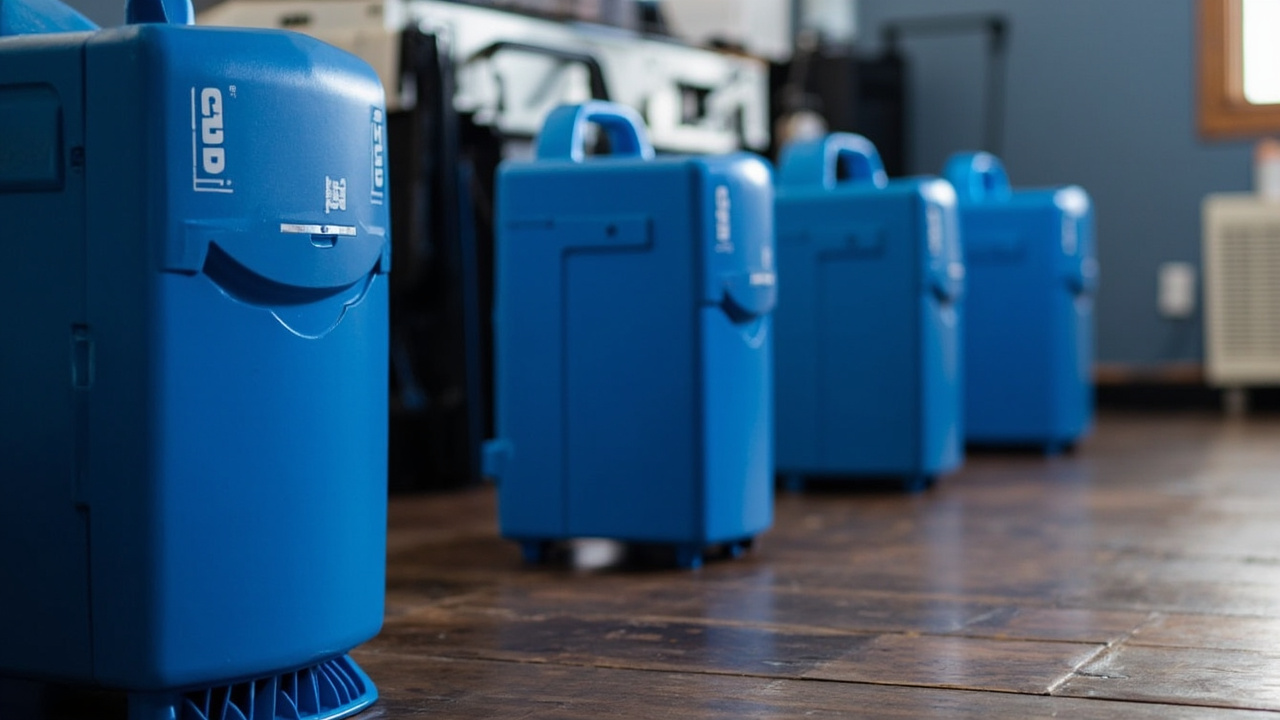
Our restoration process follows strict IICRC standards. We do not just put a few fans in a room and hope for the best. We use LGR or Low Grain Refrigerant dehumidifiers. These machines are designed to work in the high heat of New Orleans. They can pull gallons of water out of the air even when the humidity levels are already low. This is critical for reaching the deep drying stages required for hardwood. The IICRC provides the global standards we use to ensure your home is dried to a scientific dry standard.
We also use HEPA air scrubbers during the drying process. When wood floors get wet, they can release dust or old finishes into the air. In historic homes, we must be careful about what we disturb. Our scrubbers clean the air every few minutes. This protects your family and keeps the work site clean. If you face a major backup, you need to know who to call for emergency sewage cleanup in Metairie or the Marigny because Category 3 water requires even more specialized cleaning protocols.
The drying process for hardwood typically takes between seven and fourteen days. We use moisture meters with needles that can reach into the wood to check the progress. We also check the subfloor. If the subfloor stays wet, your hardwood will never stay flat. We often install drying systems in the crawlspace or the floor below to ensure the wood is being dried from both sides. This 360 degree approach is the only way to ensure the wood reaches its equilibrium moisture content.
Current Moisture Standards for New Orleans Flooring
| Moisture Level Percentage | Condition | Required Action |
|---|---|---|
| 6 to 9 Percent | Dry Standard | Normal Monitoring |
| 10 to 15 Percent | At Risk | Increased Dehumidification |
| 16 to 20 Percent | Saturated | Aggressive Extraction and Mats |
| Above 20 Percent | Critical | Potential Structural Damage |
We aim to return your floors to a level that matches the seasonal average for New Orleans. Trying to get wood down to five percent in a city with our humidity is not realistic. We look for the dry standard of your specific home by testing wood in unaffected rooms. This gives us a baseline for our 2026 restoration goals.
Preventing Mold and Preserving Historic Integrity
Mold is the biggest threat to your floors after the initial water is gone. In our tropical environment, mold spores can begin to grow within twenty four to forty eight hours. This is especially true in the dark, damp spaces beneath floorboards. If you spot fuzzy growth on your baseboards, look into professional black mold removal for homes in Algiers or your Marigny cottage immediately. We use antimicrobial treatments that are safe for historic wood but deadly for mold spores.
For residents with historic properties, professional mold remediation and preservation for Garden District historic mansions provides a template for saving old growth wood. The Marigny shares many of the same architectural needs. We use botanical cleaners that do not strip the natural patina of your heart pine. Our goal is to leave the floor looking exactly as it did before the water arrived.
Steps to take immediately after a flood includes.
- Turn off the main water valve if the flood is caused by a pipe burst.
- Switch off the electricity to any rooms with standing water.
- Remove area rugs and wet furniture from the wood floors.
- Wipe up surface water with soft towels but do not use heat guns.
- Call a professional with IICRC certification for hardwood drying.
- Open windows only if the outdoor humidity is lower than indoors.
Insurance Claims and Documentation for Marigny Homeowners
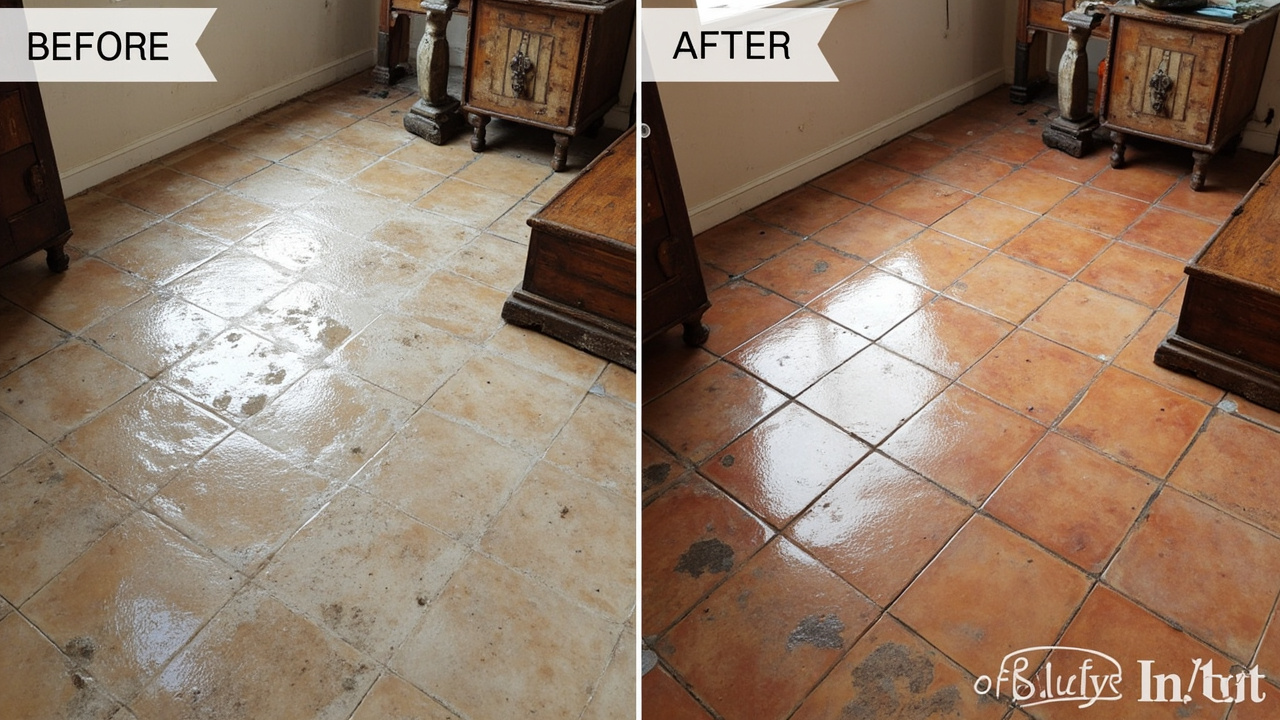
Dealing with insurance adjusters in 2026 requires precise data. We provide full documentation of the drying process. This includes moisture maps, daily logs of temperature and humidity, and photos of the equipment in use. Adjusters need to see that we followed scientific protocols to save the floor rather than just replacing it. Because Marigny floors are often original, they have a high replacement value. Insurance companies usually prefer restoration because it is more cost effective than sourcing reclaimed heart pine.
We work with all major insurance carriers in the New Orleans area. We understand the specific requirements for flood insurance claims through the FEMA National Flood Insurance Program. Our team handles the documentation so you can focus on getting your home back to normal. We ensure that every hidden pocket of moisture is documented so you do not have a mold problem six months down the road.
The Marigny is a special neighborhood. Its homes have survived over a century of Louisiana weather. With the right technology and a fast response, your original wood floors can survive the 2026 season too. We have spent over fifteen years perfecting the art of drying historic wood in this specific climate. We know the difference between a floor that needs to be replaced and one that just needs a professional drying plan. If your floors are wet, do not wait for the wood to buckle. Call a team that understands the value of your historic New Orleans home.