The Hidden Risks of Using Bleach on Mold in Your Central City Rental
Renting a historic home in Central City means living with the constant presence of the New Orleans climate. High humidity levels often exceed 90 percent during the summer months of 2026. This environmental moisture creates a perfect breeding ground for fungal growth inside historic rentals and modern apartments. When tenants or landlords spot dark spots on a wall, the first instinct is often to reach for a bottle of bleach. This common household cleaner provides a false sense of security while frequently making the underlying problem worse. Understanding the science of fungal growth in a subtropical environment explains why traditional cleaning methods fail in Orleans Parish.
Living in a neighborhood like Central City presents unique challenges for property maintenance. Many buildings feature original plaster and lath construction or older wood framing that has seen decades of moisture cycles. When mold spores land on these porous materials, they do not just sit on the surface. They grow deep roots into the material itself. Using bleach on these surfaces only treats the visible part of the organism. This leaves the root system intact and ready to regrow with more vigor than before. If you are dealing with moisture from a plumbing failure, you might need emergency kitchen flood response in Uptown New Orleans to address the liquid source before the mold takes hold.
The Scientific Breakdown of Sodium Hypochlorite on Porous Materials
To understand why bleach fails, you must look at the chemical composition of sodium hypochlorite. This chemical is the active ingredient in most household bleaches. Sodium hypochlorite is an oxidative agent that effectively kills microorganisms on hard, nonporous surfaces like tile or stainless steel. However, most Central City rentals consist of porous materials like drywall, pine floorboards, and plaster. The molecular structure of bleach prevents it from penetrating these surfaces. The chlorine molecule is physically too large to enter the microscopic pores of wood or gypsum. When you pour bleach on a moldy wall, the chlorine stays on the surface.
The chemical reaction that follows is actually counterproductive. Sodium hypochlorite consists of approximately 90 to 95 percent water. As the chlorine stays on the surface and eventually evaporates into the air as gas, the water component of the bleach soaks deep into the material. This water travels directly to the mycelium, which is the root system of the mold. Instead of killing the fungus, you are effectively watering it. This explains why mold often returns within days of a bleach cleaning. The surface looks white because the chlorine has stripped the pigment from the mold, but the organism remains alive and hydrated deep within the substrate.
The alkalinity of bleach also poses a risk to the structural integrity of older buildings. Sodium hypochlorite has a high pH level, usually between 11 and 13. This high alkalinity can break down the lignin in wood fibers. In the historic structures of Central City, this weakens the very boards that hold the house together. Repeated applications of bleach can cause wood to become brittle and more susceptible to further fungal colonization. This chemical breakdown creates a cycle of degradation that can lead to expensive structural repairs for landlords and safety hazards for tenants.
Health Risks and the Reality of Secondary Metabolites
The mold species found in New Orleans rentals are often more aggressive due to the persistent heat and moisture. Species like Stachybotrys chartarum and Aspergillus thrive in the damp voids behind baseboards and inside wall cavities. When you apply bleach to these colonies, the chemical reaction releases volatile organic compounds into the air. This creates a toxic cocktail of bleach fumes and disturbed mold spores. Tenants in small Central City apartments often suffer from poor ventilation, which traps these gases inside the living space. This leads to immediate respiratory irritation and headaches.
A major concern involves the production of secondary metabolites. These are toxic substances, often called mycotoxins, produced by mold as a defense mechanism or during its metabolic process. Bleach does not neutralize these toxins. Instead, the stress of the chemical application can trigger the mold to release more of these substances. One specific example is the production of trichothecene mycotoxins by Stachybotrys. These toxins are heavy and oily, meaning they stick to dust particles and surfaces long after the visible mold is gone. Another example is aflatoxin, produced by certain Aspergillus species, which is known to be a potent carcinogen.
Saturation with bleach can also lead to the release of Satratoxin-H and Satratoxin-G. These specific metabolites are known to cause severe health issues, including skin rashes, chronic fatigue, and cognitive impairment. In a tight New Orleans rental, these toxins accumulate in the indoor air and settle into carpets or upholstered furniture. Simple surface cleaning with bleach leaves these dangerous compounds behind. In more severe cases involving contaminated water, you should look into who to call for emergency sewage cleanup in Metairie and how to handle the damage now to prevent significant health risks.
2026 Louisiana Landlord Tenant Laws and Mold Responsibility
The legal landscape regarding mold in Louisiana has changed significantly in 2026. The current state statutes now place a heavier burden on landlords to maintain a mold-free environment. Under the 2026 Louisiana Healthy Homes Act, every residential lease includes an implied warranty of habitability that specifically covers indoor air quality. If a tenant identifies mold growth, the landlord must respond within seven business days of receiving a written notice. This response must include a professional assessment if the visible growth exceeds three square feet.
Louisiana law in 2026 also mandates that mold remediation must follow the IICRC S520 standards. This means a landlord cannot simply hand a tenant a gallon of bleach and consider the problem solved. If a landlord fails to address a moisture source that leads to mold, they can be held liable for the tenant’s moving costs, medical bills, and a refund of rent for the period the unit was uninhabitable. Property owners in Central City must be aware that using bleach as a primary remediation method is legally insufficient in 2026. It does not meet the standard of care required to protect tenant health.
For tenants, the law provides the right to repair and deduct in specific scenarios. If a landlord ignores a mold report for more than fourteen days, a tenant may hire a licensed remediation professional and deduct the cost from their rent. However, this process requires strict adherence to notification procedures. Both parties should consult the current guidelines to avoid legal disputes. For residents across the river, professional black mold removal for homes in Algiers follows these same 2026 protocols to ensure legal compliance and safety.
Dehumidification Solutions for Historic Central City Structures
Controlling moisture is the only way to prevent mold permanently in a Central City rental. The high water table and humid air make this a constant battle. In 2026, we recommend specific equipment tailored for the unique architecture of New Orleans shotgun homes and historic mansions. Many of these buildings have raised foundations and pier and beam construction. These spaces often trap humid air that rises through the floorboards.
For whole-home moisture control, the Santa Fe Ultra series is a top choice in 2026. Specifically, the Santa Fe Ultra120 provides the high capacity needed for the large rooms and high ceilings common in Central City. This unit can remove up to 121 pints of water per day while maintaining high energy efficiency. Another excellent option is the AprilAire E100. This unit is designed for durability and can be integrated into existing HVAC systems to provide consistent humidity levels throughout the rental. Keeping the indoor relative humidity below 50 percent is essential for stopping the production of secondary metabolites.
Table 1 provides a comparison of dehumidification options for different rental sizes in Central City during the 2026 humid season.
| Equipment Model | Recommended Area | Water Removal Capacity | Best Use Case |
|---|---|---|---|
| Santa Fe Compact70 | Up to 1,800 square feet | 70 pints per day | Crawlspaces and small apartments |
| AprilAire E100 | Up to 2,500 square feet | 100 pints per day | Single family shotgun homes |
| Santa Fe Ultra120 | Up to 3,500 square feet | 121 pints per day | Large historic mansions |
| Honeywell DR90 | Up to 2,200 square feet | 90 pints per day | Standard modern apartments |
Structural Risks to Your Property and Preservation Concerns
Beyond the health implications, bleach is highly corrosive. In many Central City rentals, landlords use bleach on window sills, door frames, and flooring. Over time, the sodium hypochlorite breaks down the fibers of the wood and weakens the integrity of the paint. This leaves the material even more porous and susceptible to future mold infestations. In the historic structures of the Garden District, this kind of damage is especially problematic. Preservation is key for these older buildings, as seen with professional mold remediation and preservation for Garden District historic mansions.
The salt residue left behind by bleach is another hidden enemy. When sodium hypochlorite dries, it leaves behind sodium chloride. This salt is hygroscopic, meaning it attracts moisture from the air. In a humid city like New Orleans, these salt deposits will pull water out of the atmosphere and back into the building materials. This creates a localized area of high moisture that invites new mold spores to settle and grow. You end up with a recurring mold problem that seems impossible to stop, all because of the cleaning agent you chose.
Table 2 shows the difference between using bleach and using professional grade antimicrobials in a typical 2026 remediation project. Professional methods focus on physical removal and source control rather than just surface treatment.
| Feature | Household Bleach | Professional Antimicrobials |
|---|---|---|
| Surface Penetration | Minimal on porous materials | Deep penetration into substrate |
| Residue | Leaves hygroscopic salt | Leaves protective barrier |
| Health Impact | High respiratory irritation | Low toxicity formulas available |
| Fungal Kill Rate | Surface pigment only | Root system neutralization |
| Material Safety | Corrosive to wood and metal | Material specific formulas |
When to Call a New Orleans Professional
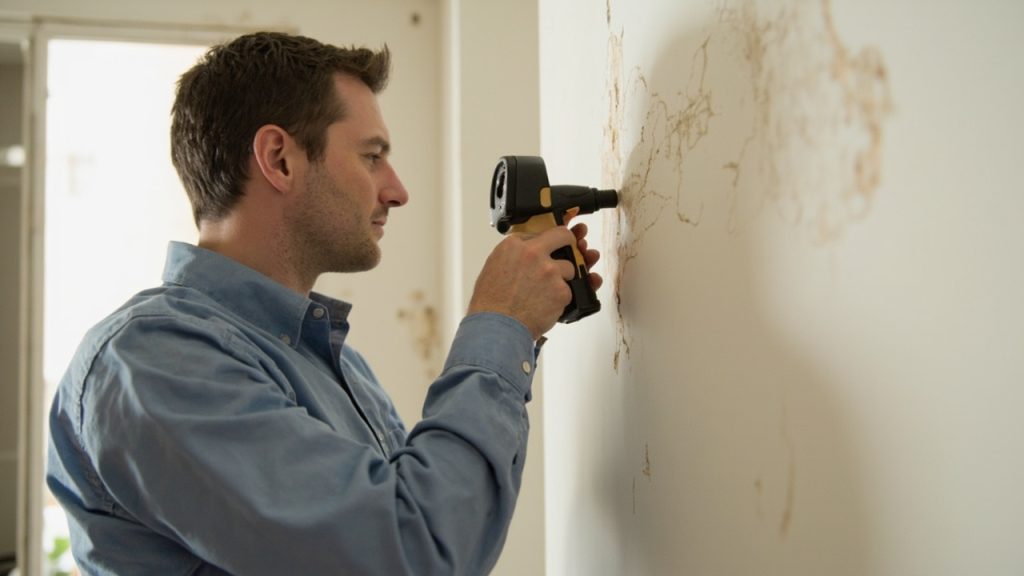
Determining when to stop the DIY efforts and call an expert is vital for the safety of your rental. The current 2026 standard follows the general rule that any mold growth covering more than ten square feet requires professional intervention. If you can smell a musty odor but cannot see the source, the mold is likely hidden inside the HVAC system or wall cavities. Professional inspectors use thermal imaging and moisture meters to find these hidden pockets of dampness. This is a common requirement for quick response water damage restoration for Lakeview homeowners in New Orleans who deal with high water tables.
If the mold returns after you have cleaned it twice, you have an active moisture source. Cleaning the mold without fixing the leak is a waste of time. New Orleans restoration experts look for roof leaks, foundation cracks, and poor drainage that contribute to the problem. We use industrial strength equipment like HEPA air scrubbers to remove spores from the air while we work. This prevents the mold from spreading to other rooms in the house during the cleaning process.
Effective Mold Prevention for Central City Renters
Preventing mold growth is easier than removing it once it takes hold in a historic Central City property. Maintaining indoor humidity below 60 percent is the most effective way to stop fungal growth. Residents should use dehumidifiers during the humid months and ensure that bathroom fans are working correctly. If your landlord has not serviced the HVAC system recently, the coils could be a source of moisture and spores. Regular maintenance is a requirement for a healthy home in New Orleans.
- Run the air conditioner to help remove moisture from the air.
- Report any leaks under sinks or from the ceiling immediately.
- Avoid hanging wet clothes inside the apartment.
- Use a moisture meter to check the walls if they feel cool or damp.
- Keep furniture a few inches away from external walls to allow airflow.
- Clean bathroom surfaces with botanical cleaners instead of bleach.
- Ensure dryer vents are exhausted properly to the outside.
- Wipe down window sills where condensation collects in the morning.
The layout of many Central City apartments can hinder airflow. Long hallways and deep rooms often have stagnant air pockets. Using ceiling fans and floor fans can help circulate air and prevent moisture from settling on cool surfaces. If you live in a basement apartment or a ground floor unit, pay extra attention to the baseboards. These areas are often the first to show signs of moisture intrusion from the soil. In 2026, many proactive tenants use smart sensors to track humidity levels in every room of their rental.
If you find mold in your rental, do not reach for the bleach bottle. The risks to your health and the structural integrity of the building are too high. Contact a professional who understands the unique architectural needs of New Orleans. We provide the expertise needed to identify the moisture source and remove the mold permanently. Protecting your living space in Central City requires a scientific approach that goes beyond surface level cleaning. Reach out to a certified technician today to schedule a moisture assessment and keep your home safe for everyone.