Restoring Water Damaged Tile Grout in New Orleans
Navarre homeowners often face unique challenges when bathroom water damage occurs. The proximity to City Park and the 17th Street Canal means local groundwater levels and humidity remain high throughout the current 2026 season. Tile and grout may seem indestructible, but water can compromise the porous substrate beneath the surface. If you notice dampness or discoloration in your bathroom, acting quickly prevents structural issues and mold growth. Our 15 years of experience in the New Orleans metro area shows that superficial cleaning is rarely enough. You must address the moisture trapped behind the tiles to ensure a lasting fix.

Identifying Signs of Tile Failure in Navarre Bathrooms
Water damage in tile and grout often starts where you cannot see it. You might notice a musty odor that persists even after cleaning the bathroom. This smell indicates that moisture reached the wallboard or the subfloor. Grout is a porous material. It absorbs water like a sponge if the sealer has worn away. One common sign of trouble is efflorescence. This white, powdery substance appears on the grout lines when minerals from the water crystallize as the moisture evaporates. If you see this in your Navarre home, it means water is moving through the grout from the substrate.
Another reliable test involves tapping on the tiles. A hollow sound suggests that the mortar has detached from the wall or floor. This delamination occurs when water saturates the setting bed. You might also notice that the grout feels soft or crumbles when you touch it. In many Navarre bathrooms, especially those near the damp environments of Lakeview, persistent moisture leads to rapid grout degradation. If you experience a major leak, you may need quick response water damage restoration for Lakeview homeowners in New Orleans to prevent the damage from spreading to adjacent rooms.
The Impact of New Orleans Humidity on Grout Recovery
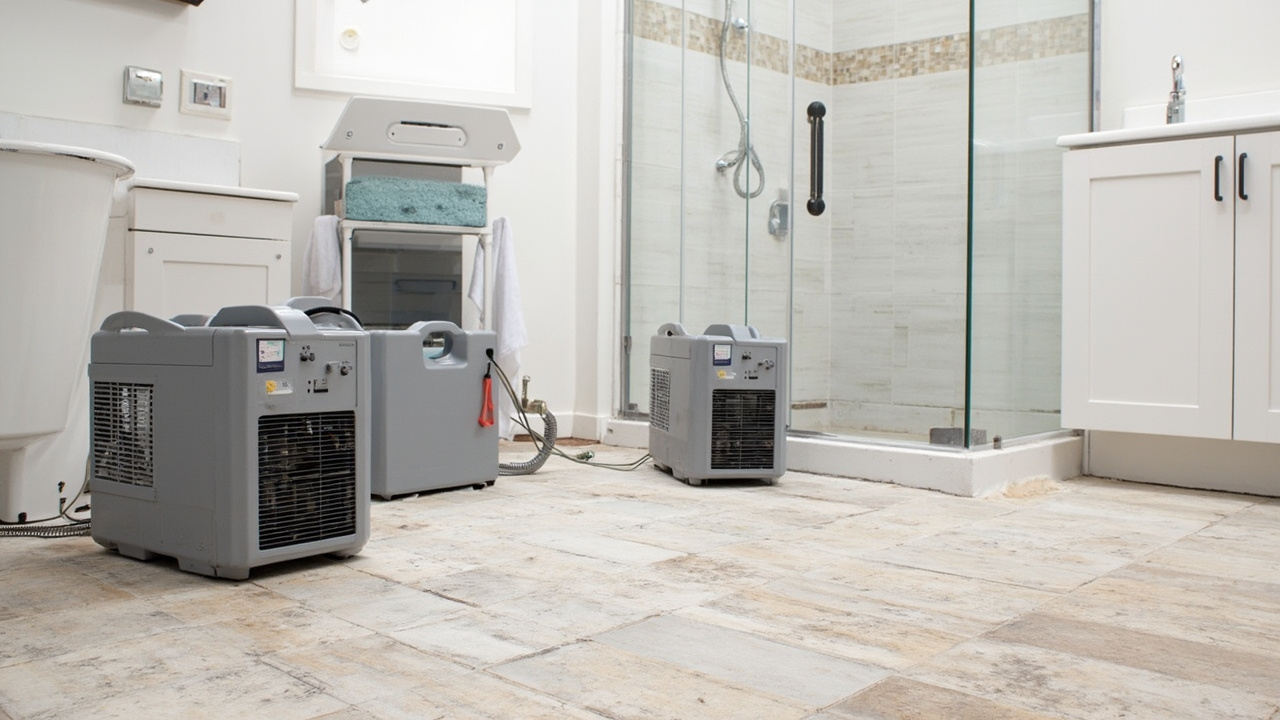
The 2026 humidity levels in New Orleans frequently exceed 70 percent. High humidity slows down the natural evaporation process. When water gets behind bathroom tiles, the humid air prevents the wall cavity from drying on its own. This environment creates a perfect breeding ground for mold. Porous grout acts as a highway for mold spores to travel from the damp substrate to the surface of your bathroom. Professional restorers use high-capacity LGR dehumidifiers to pull moisture from the air and the building materials.
Standard fans are not enough for the Navarre climate. You need targeted airflow and specialized equipment to reach the moisture trapped in the capillary pores of the grout. If your bathroom experiences a severe backup, it is essential to contact experts who understand the risks of contaminated water. For those dealing with waste issues, knowing who to call for emergency sewage cleanup in Metairie and how to handle the damage now provides a roadmap for safe restoration. Contaminated water requires different cleaning protocols to ensure the tile and grout are sanitized properly.
Understanding Porosity and Material Resistance
Different types of tile and grout react differently to water exposure. Ceramic and porcelain tiles have low porosity, but the grout lines between them are highly vulnerable. Natural stone like marble or travertine is even more porous and requires specialized care during the restoration process. The following table compares common bathroom materials and their typical response to prolonged water exposure.
| Material Type | Porosity Level | Water Sensitivity | Restoration Potential |
|---|---|---|---|
| Porcelain Tile | Low | Low | High |
| Ceramic Tile | Medium | Moderate | High |
| Natural Marble | High | Very High | Moderate |
| Sanded Grout | High | High | High |
| Epoxy Grout | Very Low | Low | Excellent |
As the table shows, the grout is usually the weakest link in your bathroom floor or wall. During the restoration process, we often find that the tile remains intact while the grout and the backing material require replacement. If you live in a historic part of the city, your bathroom may have older, more sensitive materials. For instance, professional mold remediation and preservation for Garden District historic mansions requires a delicate touch to save original tile work while removing dangerous fungal growth.
The Professional Restoration Process Step by Step
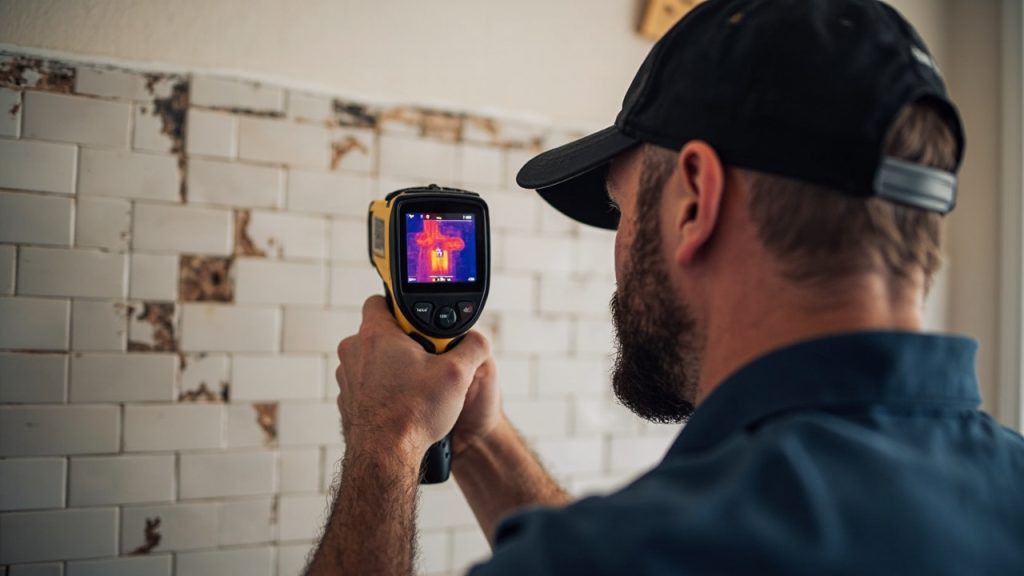
The first step in any restoration project involves a thorough assessment. We use infrared cameras and moisture meters to find the exact boundaries of the water damage. This technology allows us to see behind the tiles without removing them immediately. If the moisture levels are high, we establish a drying plan. This plan often includes removing a few strategic tiles to allow air to circulate behind the wall. We follow the IICRC S500 standards for professional water damage restoration to ensure every step meets industry safety requirements.
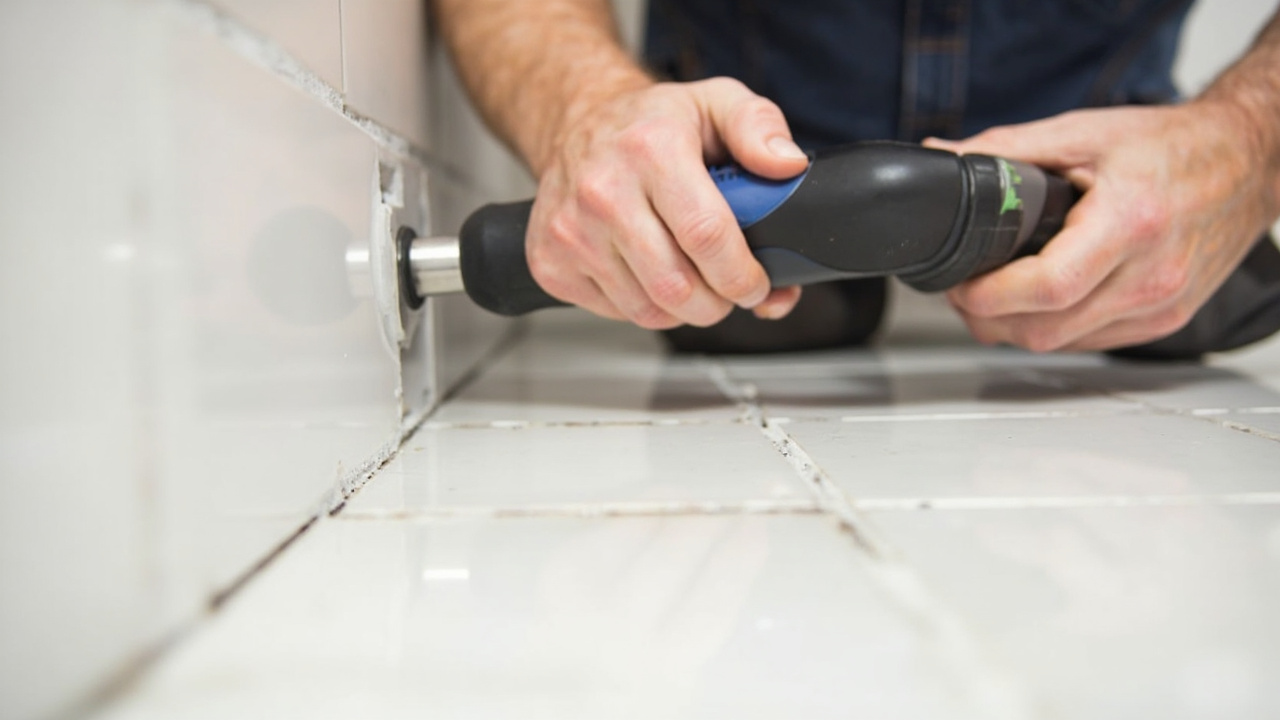
Next, we apply an antimicrobial biocide. This treatment kills existing mold spores and prevents new ones from growing while the area dries. Once the substrate reaches a dry standard, we evaluate the grout. If the grout is stained or crumbling, we remove it using specialized tools that do not damage the edges of the tiles. We then clean the tile edges to ensure the new grout bonds perfectly. After regrouting, we apply a high-quality penetrative sealer. This sealer creates a vapor barrier that protects the grout from future water exposure. In cases of significant flooding, such as an emergency kitchen flood response in Uptown New Orleans, the same principles of deep drying and sanitization apply to ensure the home remains safe.
Comparing Restoration Timelines by Water Category
The time it takes to restore your bathroom depends on the source of the water. The industry classifies water into three categories. Category 1 is clean water from a broken pipe. Category 2 is gray water which might contain chemicals. Category 3 is black water which contains pathogens. The following table outlines the estimated time frames for drying and restoring tile surfaces based on these categories.
| Water Category | Drying Time | Cleaning Requirements | Safety Protocol |
|---|---|---|---|
| Category 1 (Clean) | 2 to 3 Days | Standard Sanitization | Low Risk |
| Category 2 (Gray) | 3 to 5 Days | Deep Antimicrobial Wash | Moderate Risk |
| Category 3 (Black) | 5 to 7 Days | Full Biohazard Cleanup | High Risk |
Navarre homes with slab-on-grade foundations may experience longer drying times because moisture can be trapped between the slab and the tile. If the water sat for more than 48 hours, the risk of mold increases significantly. You should monitor the area for dark spots in the grout lines. If you see persistent black staining, you may need professional black mold removal for homes in Algiers or other local areas to address the fungal colonies that have rooted deep in the grout.
When to Replace vs When to Restore
You do not always need to tear out your entire bathroom after a leak. Restoration is often possible if the structural integrity of the wall or floor remains sound. We recommend restoration if the tiles are not cracked and the moisture has not caused the subfloor to swell or rot. Regrouting and professional cleaning can make a bathroom look new again while saving you the cost of a full remodel. However, if the water damage has caused the tiles to pop off the wall or if the floor feels bouncy, replacement is usually the safer option.
Professional documentation plays a major role in this decision. We provide detailed reports for insurance claims. These reports include moisture readings and photos that prove the extent of the damage. In the current 2026 insurance market, having clear evidence from a certified restorer helps speed up the claims process for New Orleans homeowners. We focus on getting your bathroom back to a pre-loss condition as quickly as possible. This involves meticulous attention to detail during the cleaning and regrouting phases.
Essential Tools for Bathroom Tile Restoration
- Thermal imaging cameras to detect hidden leaks behind the shower stall.
- Professional grade moisture meters with non-invasive sensors.
- HEPA air scrubbers to remove airborne dust and mold spores during grout removal.
- High-pressure steam cleaners that sanitize grout without using harsh chemicals.
- Industrial LGR dehumidifiers designed for high-humidity climates like New Orleans.
- Anti-microbial treatments that are safe for indoor residential use.
Using the right tools prevents further damage. For example, using a standard shop vacuum to clean up water in a bathroom can actually spread mold spores throughout the air. A professional restorer uses equipment with HEPA filtration to keep your home’s air clean. This is especially important for residents in the Navarre area who may be sensitive to the allergens common in our subtropical environment.
Ensuring Long Term Protection for Your Bathroom
After we restore your tile and grout, maintenance is the key to preventing a recurrence. You should check the caulking around your tub and shower every few months. If you see gaps or peeling, replace the caulk immediately to prevent water from seeping behind the tiles. We also recommend using a squeegee after every shower to reduce the amount of standing water on the grout lines. Proper ventilation is another critical factor. Ensure your bathroom fan is rated for the size of the room and run it for at least twenty minutes after showering.
Applying a new coat of sealer to your grout every year is a smart move for Navarre residents. The high usage and constant humidity in New Orleans wear down sealers faster than in other climates. If you notice that water no longer beads up on your grout lines, it is time to re-seal. By following these steps, you protect the investment you made in your restoration. If you ever suspect a leak, do not wait for the tile to fall off the wall. Call a professional to perform a moisture check. Early detection is the most reliable way to save your bathroom and keep your home healthy. Our team remains ready to help Navarre neighbors with expert restoration services that stand up to the unique demands of our city.