What to do if your refrigerator water line leaks across your Lakeview kitchen floor
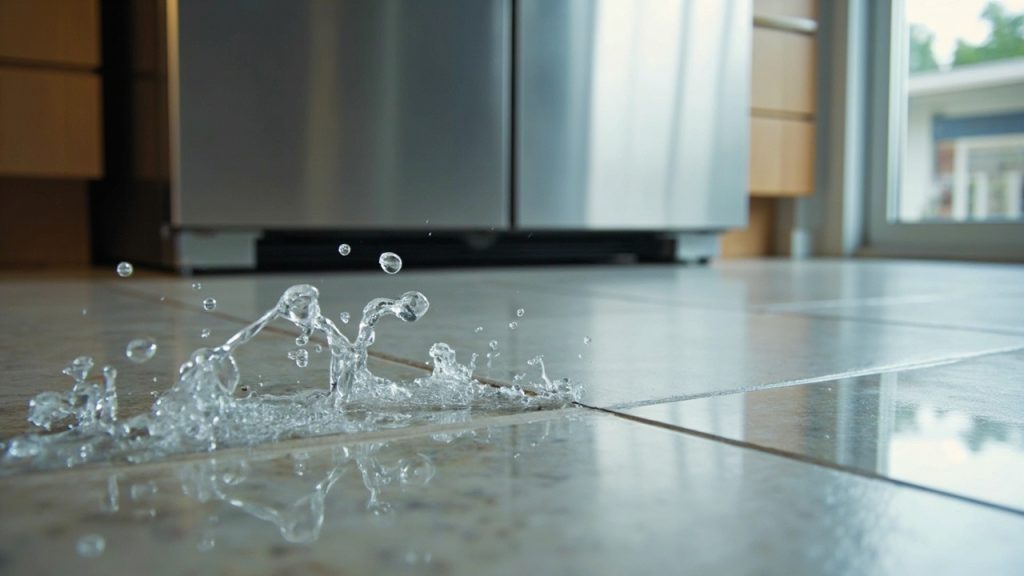
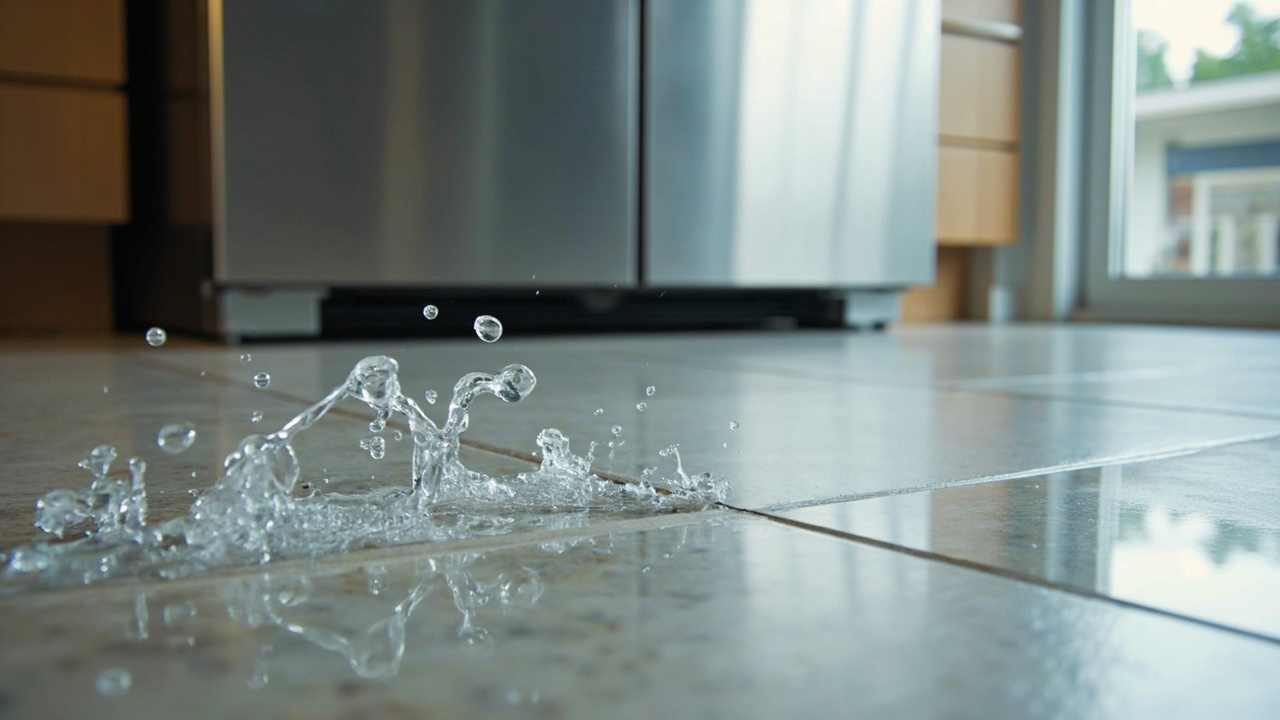
A refrigerator water line leak often starts as a small drip behind the appliance where nobody sees it. By the time you notice water creeping across your Lakeview kitchen floor, the damage likely extends far beyond the visible puddle. In our current 2026 New Orleans climate, high humidity levels make immediate action vital to prevent mold growth and structural decay. You must act fast to protect your home and your health.
The first step involves stopping the flow of water immediately. Pull your refrigerator away from the wall carefully. Most modern units in Lakeview homes use a thin plastic or braided stainless steel line connected to a small shut-off valve on the wall. Turn this valve clockwise until it stops. If the valve is stuck or the leak continues, you must locate your main water shut-off for the entire house. For many homes near Harrison Avenue or Canal Boulevard, this valve is located near the front of the property in a ground box or where the main line enters the slab.
Once the water stops flowing, unplug the refrigerator. Mixing standing water with electricity creates a lethal hazard. Do not step into the water if it has reached an electrical outlet or if the appliance cord is submerged. Use a dry towel or a rubber-handled tool to safely disconnect the power if you can reach it without touching the water. If the situation looks dangerous, go to your breaker panel and shut off the kitchen circuit entirely. Safety remains the highest priority during any Emergency Kitchen Flood Response in Uptown New Orleans or Lakeview.
Understanding the unique challenges of Lakeview kitchen floods
Lakeview homes often sit on concrete slabs or raised piers. Each foundation type reacts differently to water intrusion. If you have a slab-on-grade home, water from a fridge leak can migrate under the baseboards and into the wall cavities. The porous nature of concrete allows moisture to travel through capillary action. This means the water does not just sit on top of the floor. It soaks into the slab itself. In the high-moisture environment of 2026 New Orleans, a damp slab becomes a breeding ground for microbial growth within 24 to 48 hours.
Homes with raised foundations face different risks. Water can seep through the subfloor and saturate the wooden joists and insulation below. If your kitchen has hardwood floors, the wood will begin to cup or crown as it absorbs moisture. Cupping happens when the edges of the planks rise higher than the center. This indicates that the bottom of the wood is wetter than the top. Professional Quick Response Water Damage Restoration for Lakeview Homeowners in New Orleans is necessary to save these expensive materials before they warp permanently.
The physics of drying in the Mississippi River Delta
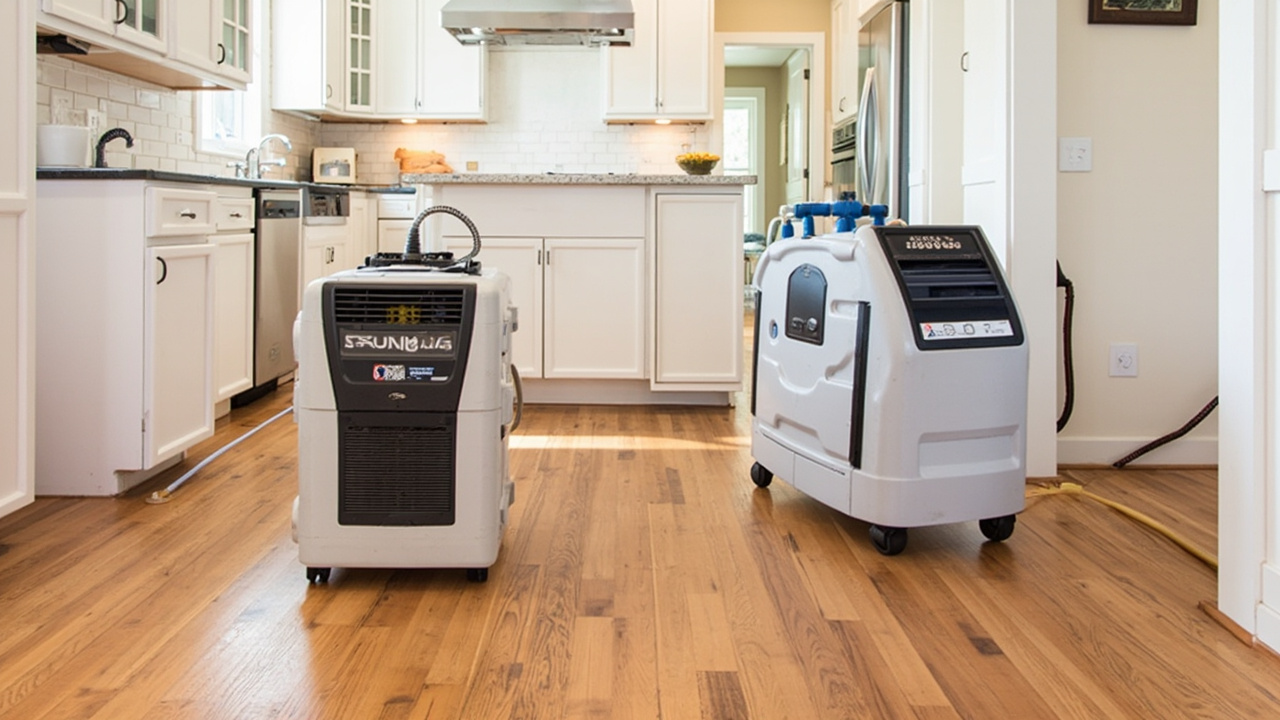
In 2026, we manage indoor environments using advanced psychrometry. This is the study of air, moisture, and temperature. Simply opening a window in Lakeview will not dry your kitchen. The outdoor humidity in New Orleans is almost always higher than the ideal indoor drying environment. You need to create a balanced drying system that removes moisture from the materials and the air simultaneously. We use industrial dehumidifiers that can pull gallons of water from the air every day to maintain a low vapor pressure.
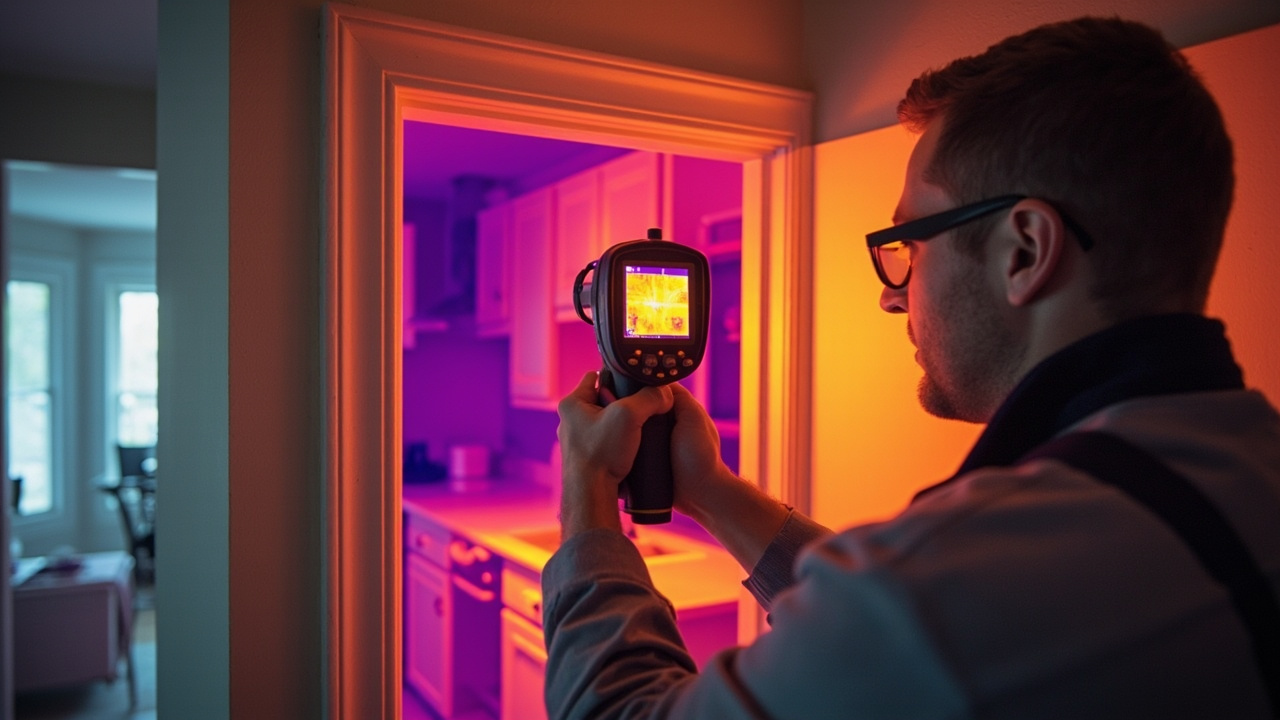
Moisture mapping is the only way to know if your kitchen is truly dry. We use infrared cameras and moisture meters to see through tile and behind cabinets. You might think the floor feels dry to the touch, but the subfloor or the drywall behind your cabinets could still be at 100 percent saturation. If you ignore this hidden moisture, you risk the need for Professional Mold Remediation and Preservation for Garden District Historic Mansions or modern Lakeview residences later.
Comparison of common kitchen flooring responses to water
Different materials require different restoration strategies. The following table outlines how common Lakeview kitchen floors behave when a refrigerator line fails.
| Flooring Type | Porosity Level | Warping Risk | Restoration Method |
|---|---|---|---|
| Ceramic or Porcelain Tile | Low | Low | Pressure drying of grout lines and subfloor |
| Engineered Hardwood | Medium | High | Injected air systems or floor mat drying |
| Solid Oak or Pine | High | Extreme | Controlled dehumidification and sanding |
| Luxury Vinyl Plank (LVP) | Low | Medium | Removal and drying of the concrete slab below |
As shown in the table, even waterproof materials like LVP can hide water underneath. When water gets trapped between the vinyl and the slab, it cannot evaporate. This creates a dark, wet space where mold thrives. Often, we must remove the planks to dry the slab before reinstalling the floor. This is a common requirement according to the IICRC S500 Standard for professional water damage restoration.
Why DIY drying often fails in New Orleans
Many homeowners try to use household fans to dry a leak. This usually only dries the surface. While the surface looks fine, the internal structure of the walls and floors remains saturated. In our local climate, this leads to the dreaded New Orleans musty smell within days. Professional grade equipment moves a much higher volume of air and focuses that air into specific cavities. We use air movers that create high-velocity airflow across the floor to break the boundary layer of moisture.
Another common mistake involves using small store-bought dehumidifiers. These units are built for basements in dry climates, not for flood recovery in South Louisiana. They cannot lower the humidity fast enough to prevent mold. We use LGR (Low Grain Refrigerant) dehumidifiers. These machines are designed to pull moisture even when the air is already relatively dry. This is critical for reaching the deep-seated moisture in your kitchen cabinets and subflooring.
Restoration equipment versus consumer grade tools
The difference between professional results and DIY attempts comes down to the power and specificity of the tools used. The table below compares standard household items with professional restoration equipment.
| Tool Category | Consumer Grade Item | Professional Restoration Tool | Benefit of Professional Tool |
|---|---|---|---|
| Air Movement | Box Fan or Oscillating Fan | Centrifugal Air Mover | Drives moisture out of porous materials fast |
| Dehumidification | 30 Pint Portable Unit | XL LGR Dehumidifier | Maintains Grains Per Pound (GPP) below 40 |
| Moisture Detection | Visual Inspection | Thermal Imaging and Penetrating Meters | Finds hidden water inside walls and under cabinets |
| Water Extraction | Wet/Dry Shop Vac | Weighted Subsurface Extractor | Pulls water out of padding and wood pores |
Steps to take while waiting for the restoration team
While you wait for help to arrive, you can take several steps to minimize the damage. These actions can save your cabinetry and lower the total cost of the claim. Follow this list to stay organized during the emergency.
- Wipe down wooden cabinet bases to prevent the finish from bubbling.
- Place aluminum foil or plastic saucers under furniture legs that are in contact with wet floor.
- Remove any area rugs or mats and take them outside or to a garage to dry.
- Lift up the toe kick at the bottom of your cabinets if it is easily removable.
- Take photos of the broken water line and the extent of the puddle for insurance documentation.
- Keep a log of the time the leak was discovered and when the water was shut off.
If you see signs of contaminated water, such as a dark color or foul odor, stay away from the area. This can happen if the leak has been occurring for a long time or if it has mixed with other household spills. If the situation involves sewage or backup, you should look into Who to Call for Emergency Sewage Cleanup in Metairie for specialized help.
Navigating insurance claims for appliance leaks
Most homeowners insurance policies in Lakeview cover water damage if it is sudden and accidental. A refrigerator line bursting usually fits this definition. However, if the leak has been dripping for six months and you ignored it, the insurance company might deny the claim based on a lack of maintenance. This is why you must document the incident correctly from the start. We work with adjusters daily and know what they need to see.
We use specialized software to document moisture readings and drying progress. This data proves to the insurance company that the work was necessary and followed industry standards. Without this proof, they may refuse to pay for the full drying process. Make sure any contractor you hire is registered with the Louisiana State Licensing Board for Contractors. This ensures they are held to the professional standards required in our state.
Addressing mold concerns in the Lakeview area
Mold is the biggest long-term risk after a kitchen flood. In New Orleans, mold spores are always present in the air. All they need is moisture and a food source like drywall paper or wood. If your kitchen remains wet for more than 48 hours, mold will begin to colonize. This can lead to respiratory issues and expensive remediation costs later. If you already see dark spots on your baseboards, you may need Professional Black Mold Removal for Homes in Algiers or Lakeview to safely clean the area.
We apply antimicrobial treatments to the affected areas during the drying process. These treatments kill existing spores and prevent new growth while the air movers are working. This is a critical step that many general contractors skip. A restoration specialist focuses on the science of a healthy home, not just the appearance of a dry floor.
Structural drying and cabinet preservation
Kitchen cabinets are often the most expensive part of a restoration job. Most modern cabinets are made of particle board or medium-density fiberboard (MDF). When these materials get wet, they swell like a sponge. Once MDF swells, it cannot be fixed. It must be replaced. However, if we catch the leak early, we can use specialized cabinet drying systems. These systems use small tubes to push warm, dry air directly into the space under and behind the cabinets.
This targeted drying can save your custom cabinetry and prevent a full kitchen remodel. We also monitor the moisture content of the wall studs behind the cabinets. If the wood stays wet, it can rot or lose its structural integrity. We ensure every component of your kitchen reaches its dry standard before we pull our equipment. This commitment to detail is what keeps Lakeview homes safe and valuable in 2026.
Professional help for your Lakeview kitchen
When your kitchen is underwater, you do not have time to wait. Every hour the water sits is an hour it travels deeper into your home. We provide fast response times to the entire Lakeview neighborhood and surrounding areas. Our teams understand the specific challenges of New Orleans architecture and the 2026 climate. We handle everything from the initial water extraction to the final moisture checks.
You deserve a restoration company that treats your home like their own. We use the best technology available to ensure your kitchen is dry, safe, and mold-free. Contact a professional restoration team today to start the drying process and protect your Lakeview investment.