Why Professional Water Extraction Beats a Standard Wet Vac for New Orleans Homes
Standing water in a New Orleans home is a race against the clock. In the 2026 climate, where humidity levels frequently exceed 90 percent, every minute the water sits increases the risk of permanent structural failure. Many homeowners reach for a standard wet vac or shop vac when they see a puddle. This is a logical first instinct. You want to do something immediately to protect your property. However, a significant gap exists between what consumer grade equipment can achieve and the results produced by industrial extraction systems. Using a shop vac for anything more than a small spill on a non porous floor often leaves behind 80 percent of the moisture. This hidden water migrates into walls, under floorboards, and into the subfloor where it becomes a breeding ground for microbes.
The Technical Limitations of Consumer Shop Vacuums
A standard wet vac is built for cleaning up small messes in a garage or workshop. It relies on a basic motor that generates limited suction. This suction is measured in Cubic Feet per Minute or CFM. Most high end consumer vacuums produce between 90 and 150 CFM. This is sufficient for lifting water off a tile floor, but it lacks the static pressure required to pull water out of carpet padding or the fibers of a thick rug. When water hits a carpeted surface, it does not just sit on top. It sinks into the porous pad beneath. A shop vac typically only removes the surface moisture, leaving the pad completely saturated.
Another issue is tank capacity. A standard vacuum might hold 10 to 15 gallons of water. While that sounds like a lot, a medium sized flood in a living room can involve hundreds of gallons. You would spend hours emptying the tank repeatedly. This slows down the restoration process significantly. In our local environment, speed is the most important factor. If you do not remove the water within 24 hours, the likelihood of needing professional black mold removal for homes in Algiers or other high humidity neighborhoods becomes almost certain.
The Power of Truck Mounted Professional Water Extraction
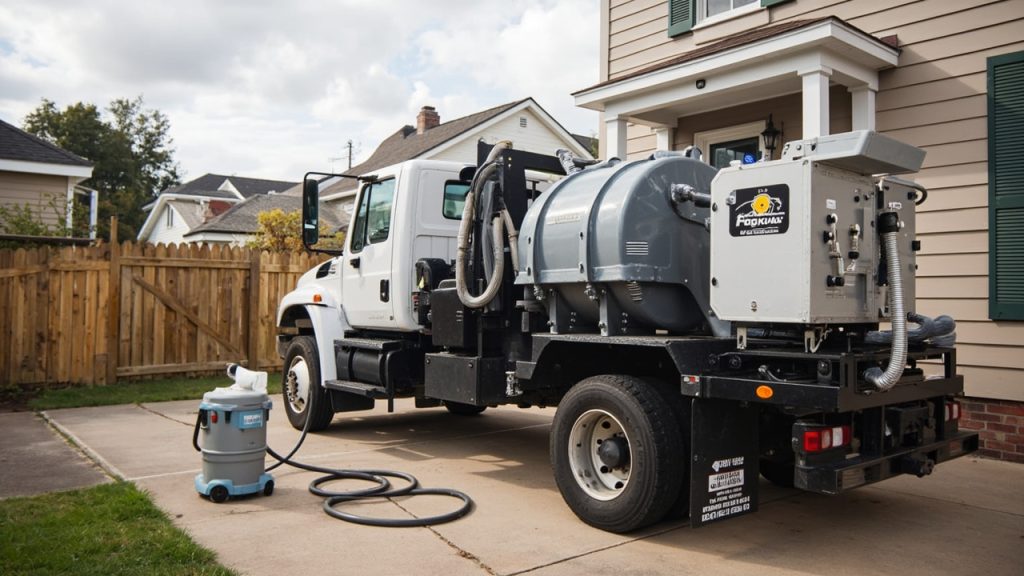
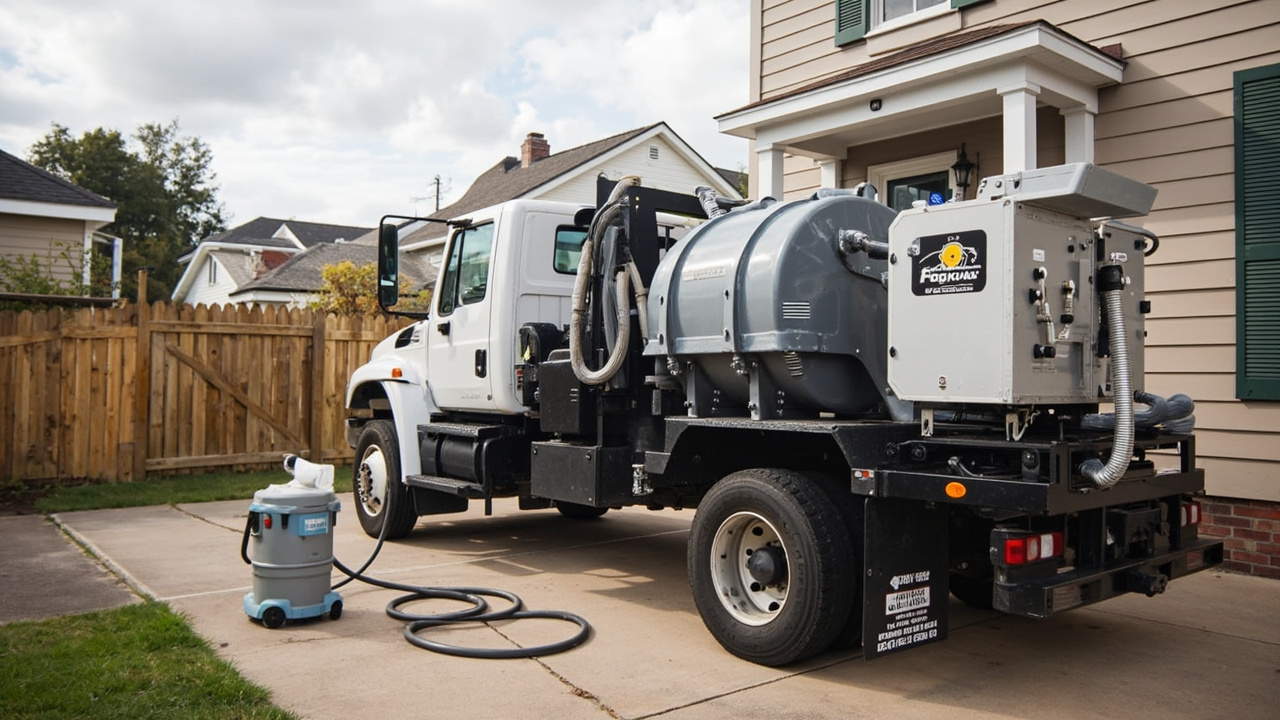
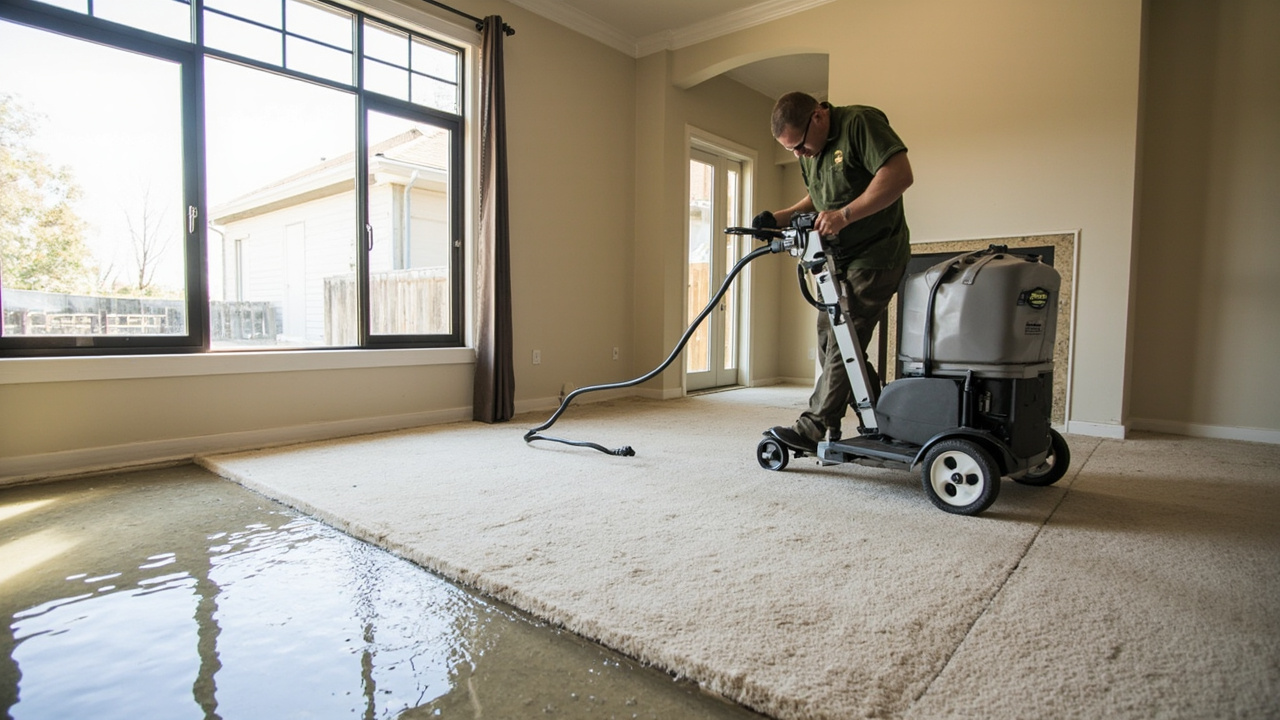
Professional restoration teams in 2026 use truck mounted extraction units. These machines are powered by the engine of the vehicle or a large dedicated motor. They produce suction levels exceeding 400 to 600 CFM. This massive increase in power allows technicians to pull water from deep within the structural components of your home. We use weighted extraction tools, sometimes called ride on extractors, that use the weight of the technician to squeeze water out of carpet pads while the vacuum sucks it away. This process is far more effective than anything a hand held wand can accomplish.
| Feature | Standard Shop Vac | Professional Truck Mount |
|---|---|---|
| Suction Power (CFM) | 90 to 150 | 400 to 650 |
| Disposal Method | Manual emptying of tank | Automatic pump out to sewer |
| Water Removal Depth | Surface only | Deep pad and subfloor |
| Risk of Overflow | High if not monitored | None (Direct discharge) |
Understanding Moisture Mapping and Hidden Damage
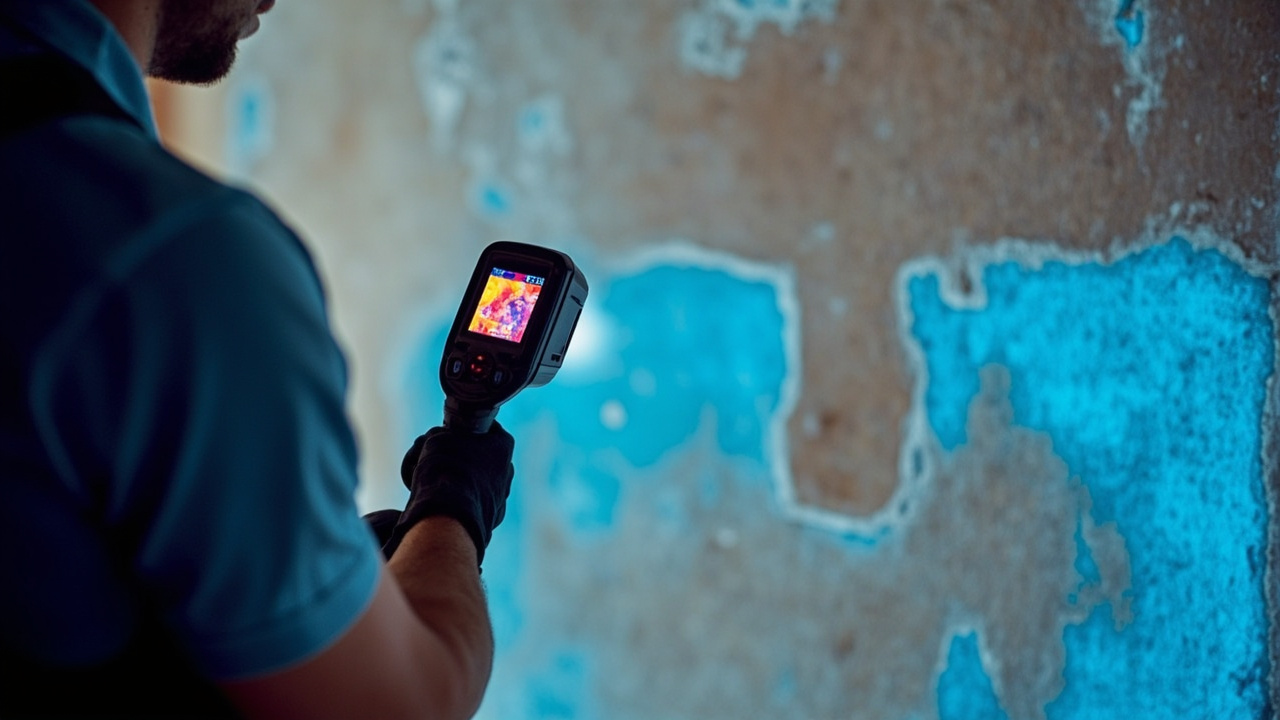
A shop vac cannot tell you where the water went. It only removes what you can see. In New Orleans, where many homes have raised foundations or complex historical framing, water travels through hidden cavities. We use infrared thermal imaging cameras and moisture meters to map the migration of the water. Just because a wall feels dry to the touch does not mean it is dry. Water often wicks up the back of drywall through a process called capillary action. If you only vacuum the floor, that moisture remains trapped behind the baseboards. This is why professional mold remediation and preservation for Garden District historic mansions is so critical. The plaster and lath construction in these homes acts like a sponge, pulling water upward and holding it for weeks.
The Science of Structural Drying in High Humidity
Extraction is only the first phase of the process. Even after the best extraction, the materials in your home will be damp. In a dry climate, you might be able to open the windows and let the air do the work. In Louisiana, opening the windows just lets in more moisture. Professional teams use Low Grain Refrigerant or LGR dehumidifiers. These machines are designed to pull moisture out of the air even when the humidity is already high. A standard home dehumidifier or a few box fans cannot compete with the thousands of cubic feet of dry air these industrial units produce.
We also use high velocity air movers. These are placed strategically to create a vortex of air that speeds up evaporation. Without this equipment, the wet wood and drywall will stay damp long enough for structural rot to begin. We follow the IICRC S500 Standards for professional water damage restoration, which provide the scientific formulas for how many air movers and dehumidifiers are needed based on the square footage and the class of the water damage.
Why Surface Level Cleaning Fails in New Orleans
The geography of New Orleans presents unique challenges for water removal. Our high water table and the specific soil composition mean that moisture does not dissipate quickly. If you live in a home with a crawlspace, water trapped under the floor can cause the wood to cup or crown. A shop vac is useless for reaching into a crawlspace to remove standing water or moisture from the underside of the subfloor.
Homeowners in areas like Lakeview understand that even a small amount of rain can lead to localized flooding. If that water enters your home, it is often Category 2 or 3 water, meaning it contains contaminants. A shop vac does not have the filtration systems to handle bacteria or pathogens safely. Using a consumer vacuum on contaminated water can actually aerosolize the bacteria, spreading it throughout your home. This is why residents need quick response water damage restoration for Lakeview homeowners to ensure the environment is sanitized as well as dried.
Drying Timelines and the Risk of Delay
Time is the most expensive variable in restoration. A delay of 12 hours can be the difference between a simple drying job and a full scale demolition of your flooring and walls. The 2026 standards for restoration emphasize immediate intervention.
| Time Elapsed | Typical Damage Level | Required Action |
|---|---|---|
| 0 to 4 Hours | Surface saturation only | Immediate extraction and dehumidification |
| 24 Hours | Wicking into drywall and baseboards | Industrial extraction and antimicrobial application |
| 48 Hours | Microbial growth begins | Potential removal of materials and mold protocols |
| 72+ Hours | Structural integrity compromised | Full reconstruction and remediation |
Handling Sewage and Contaminated Water
Not all water is created equal. If the water in your home came from a sewage backup or a river overflow, it is classified as black water. You should never use a personal shop vac on this type of mess. The vacuum will become permanently contaminated and you will expose your family to dangerous pathogens. This situation requires specialized personal protective equipment and industrial strength antimicrobial treatments. If you encounter a backup in Jefferson Parish, you must contact emergency sewage cleanup in Metairie professionals who have the gear to handle biohazards safely.
The Real Cost of DIY Water Removal
While using a shop vac seems like a way to save money, it often leads to much higher costs later. Insurance companies in 2026 are very strict about documentation. If you handle the cleanup yourself and mold appears three months later, the insurance provider may deny the claim because you did not follow professional drying protocols. When we arrive on a scene, we provide a complete moisture map and daily drying logs. This documentation proves to your insurance company that the job was done correctly, protecting your property value and your policy coverage.
In Uptown New Orleans, where kitchens often feature custom cabinetry and high end finishes, a small leak can ruin the entire room if not handled with professional precision. We provide emergency kitchen flood response in Uptown New Orleans specifically designed to save expensive cabinets and flooring that a shop vac simply cannot protect. We use specialized floor mats that hook up to our extractors to pull moisture directly through the hardwood, often saving the floor from needing replacement.
Professional Equipment vs Consumer Tools
To understand the scale of the difference, consider the following list of tools a professional team uses compared to a homeowner with a shop vac.
- Infrared thermography for non invasive moisture detection.
- Penetrating and non penetrating moisture meters for various materials.
- Truck mounted H2O extraction units with high static pressure.
- Low Grain Refrigerant dehumidifiers that work in high heat and humidity.
- HEPA air scrubbers to remove airborne spores and dust during the drying process.
- Intra-wall drying systems that pump air behind cabinets and into wall cavities.
- Antimicrobial treatments that are EPA registered for specific types of mold and bacteria.
The Environmental Impact of Improper Drying
When water is not fully extracted, it creates a microclimate inside your walls. According to the Environmental Protection Agency, moisture control is the only way to prevent mold growth. In New Orleans, this is a year round battle. A shop vac leaves enough moisture behind to maintain a high relative humidity inside the wall cavity for weeks. This is why many homes in our area have a persistent musty smell even after the floors look dry. Professional extraction removes the bulk of the liquid, but it also prepares the home for the deep drying required to return the building to its dry standard.
Protecting Your New Orleans Property
Your home is likely your largest investment. Trying to save it from a flood with a tool designed to clean up sawdust is a massive risk. Whether you are dealing with a burst pipe in Gentilly or a localized flood in the Marigny, the steps you take in the first hour will dictate the future of your property. Professional water extraction is not just about removing the water you can see. It is about identifying the water you cannot see and removing it before it causes permanent damage. If you have standing water in your home, put down the shop vac and call a team with the industrial equipment and local experience to do the job right. We provide 24/7 emergency extraction and structural drying services across all New Orleans parishes to ensure your home remains safe and dry in any weather.