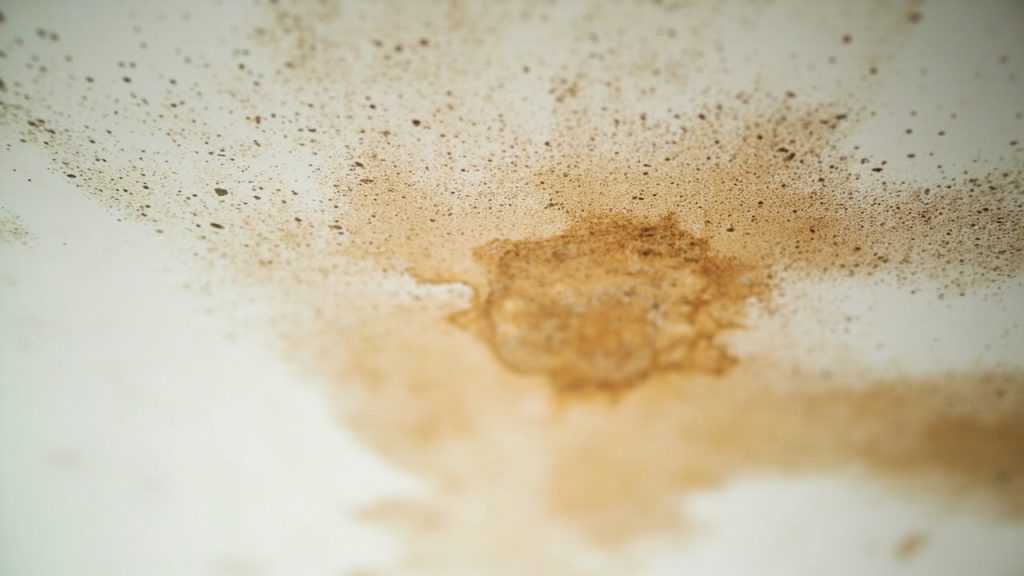
A steady drip from your ceiling in the middle of a New Orleans summer is a recipe for disaster. If you live in St. Roch, you know that our 2026 humidity levels are higher than ever. When water starts pooling around your light fixtures or bubbling your drywall, the clock is ticking. This problem usually starts in your attic or your HVAC closet where the evaporator coil lives. In our local climate, your air conditioner does more than cool the air. It acts as a massive dehumidifier, pulling gallons of water out of the air every single day. When that water has nowhere to go, it ends up in your ceiling joists.
Immediate action saves thousands in restoration costs. If you see water, turn off your HVAC system at the thermostat immediately. Water continues to produce as long as the system runs. Clear the area below the leak and place a bucket to catch the water. If the drywall is sagging or bubbling, you might need to poke a small hole to release the pressure. This sounds counterintuitive, but it prevents the entire ceiling from collapsing under the weight of trapped water. Once you stop the immediate flow, you need a professional to assess the structural integrity of your home.

Immediate Steps to Take When Your Ceiling Drips
The first few minutes after finding a leak determine the extent of the damage. Start by shutting down the power to the AC unit. This stops the condensation process. Next, move any furniture or electronics away from the drip zone. St. Roch homes often feature historic wood flooring or sensitive rugs that warp quickly when saturated. Use a wet vacuum to pull standing water from the floor if you have one available.
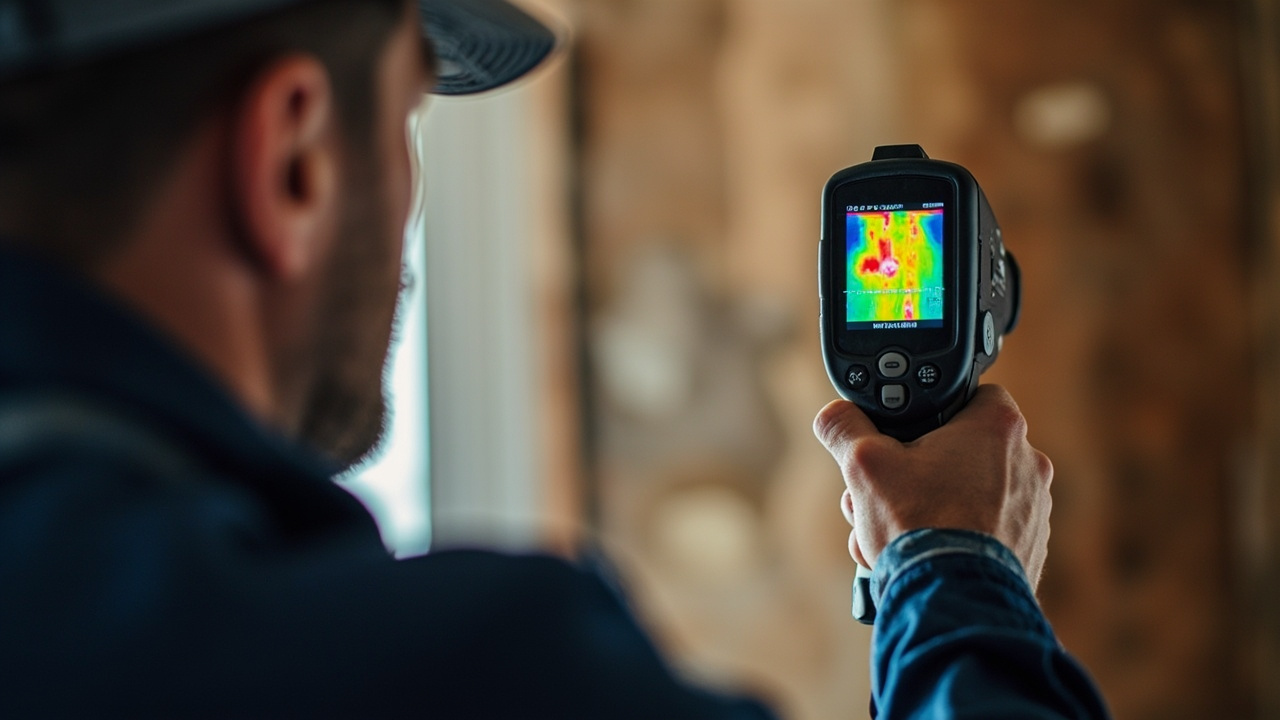
Call a restoration professional to perform moisture mapping. Even if the drip stops, water often hides in the insulation or behind the wall plates. In 2026, we use thermal imaging to see where the water has traveled without tearing down your walls. This technology helps us target the drying process. If the water has mixed with sewage from a backup, you need emergency sewage cleanup in Metairie style expertise to handle the contaminants. While AC condensate is generally clean water, it becomes gray water once it passes through dusty insulation and old attic debris.
Why New Orleans Humidity Makes AC Leaks More Dangerous
The dew point in New Orleans during the summer often stays above seventy degrees. This means your AC unit works overtime to keep the indoor environment comfortable. A standard five ton unit in a St. Roch shotgun house can produce twenty gallons of water a day in current conditions. If the primary drain line blocks, those twenty gallons end up in your ceiling. The heat in your attic also accelerates mold growth. In our humid climate, mold spores can colonize on wet drywall in less than twenty four hours.
Historic homes require professional mold remediation and preservation similar to Garden District mansions. St. Roch features many older structures with lath and plaster ceilings. Plaster is much heavier than drywall and holds moisture longer. If plaster stays wet, it loses its bond to the wood lath and can fall in large, heavy chunks. This creates a safety hazard for anyone in the room below. We offer quick response water damage restoration for Lakeview homeowners and St. Roch residents alike to address these risks.
Common Causes of Condensate Leaks in Local Homes
Most ceiling leaks from an AC unit stem from three specific failures. The most common is a clogged primary drain line. Dust, algae, and slime build up inside the PVC pipe over time. This blockage forces water back up into the drain pan. If the drain pan is old or rusted, the water leaks through the metal and onto your floor or ceiling. Many older systems in New Orleans lack a secondary drain line or a float switch. A float switch is a safety device that kills the power to the unit if it detects water in the pan.
Another cause is a frozen evaporator coil. If your air filter is dirty or your refrigerant levels are low, the coil can turn into a block of ice. When that ice melts, it often overflows the drain pan because it melts faster than the drain can handle. This is a common issue we see during the peak of the 2026 summer heat waves. Regular maintenance helps prevent this, but the extreme heat puts unprecedented stress on local HVAC systems. Kitchen leaks are also common, much like an emergency kitchen flood response in Uptown New Orleans scenario where hidden pipes fail behind appliances.
Comparison of Common HVAC Leak Causes
| Issue Type | Primary Cause | Risk Level | Repair Difficulty |
|---|---|---|---|
| Clogged Drain Line | Algae and Slime Build-up | High | Low |
| Rusted Drain Pan | Age and Corrosive Attic Heat | Critical | Moderate |
| Frozen Coil | Low Airflow or Low Freon | High | Moderate |
| Broken Float Switch | Electrical Failure | Extreme | Low |
Signs of Structural Damage and Mold Growth
You should watch for specific signs that the leak has caused deeper damage. Bubbling paint is the first indicator that moisture is trapped behind the surface. Sagging drywall indicates that the gypsum core has become saturated and heavy. If you see yellow or brown staining, the water has already begun to pull tannins from the wood framing or ceiling joists. This staining is a sign that the water has been sitting for a significant amount of time.
Mold growth is the next phase of the problem. Stagnant water leads to mold, requiring professional black mold removal for homes in Algiers and across the city. In St. Roch, the combination of old wood and high moisture creates a perfect breeding ground. You might notice a musty odor before you see any visible growth. We use specialized air scrubbers and antimicrobial treatments to ensure that your home remains safe after the drying process is complete. According to the EPA, controlling moisture is the most effective way to prevent mold growth in residential buildings.
The Restoration Process from Water Extraction to Structural Drying
Once the AC leak is fixed, the restoration work begins. We follow the IICRC S500 standards for professional water damage restoration. The first step is extraction. We use industrial vacuums to remove every drop of standing water. Then, we remove any materials that cannot be dried effectively. This often includes wet insulation and blown in cellulose which acts like a sponge. If the drywall is severely compromised, we perform a flood cut to remove the bottom portion of the wall and allow the studs to dry.
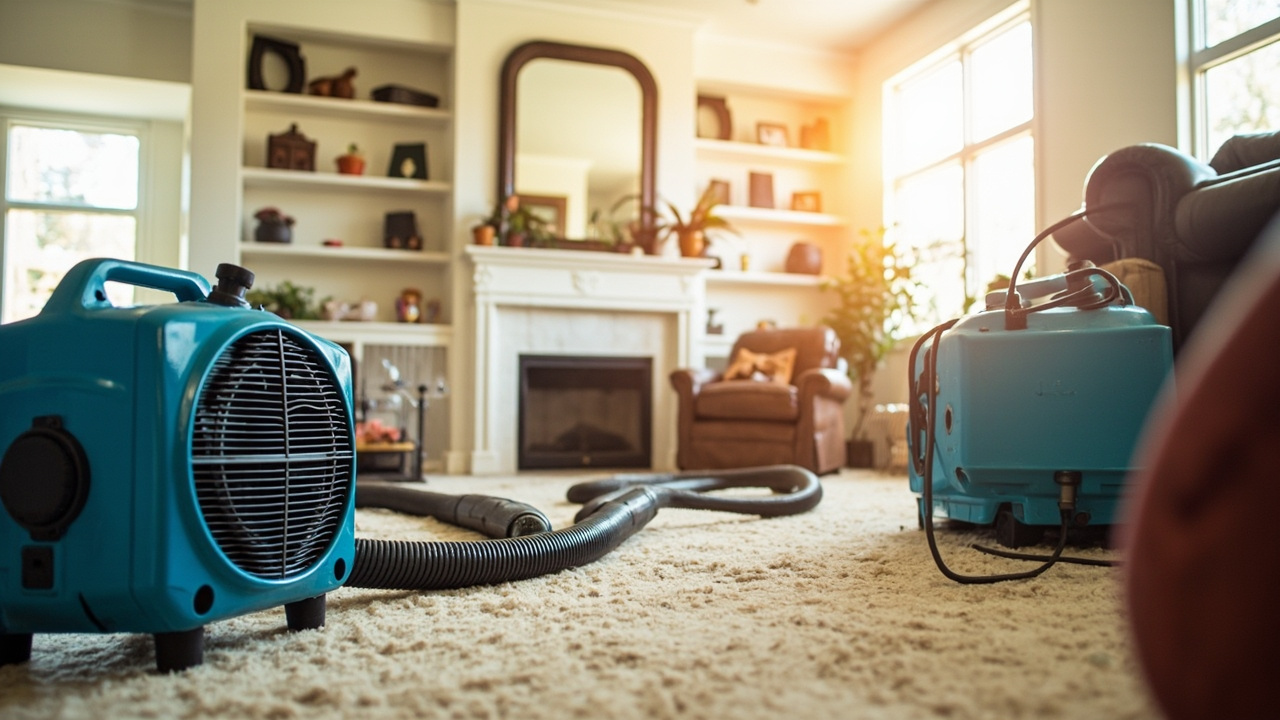
Drying requires a balance of airflow and dehumidification. We use LGR (Low Grain Refrigerant) dehumidifiers that can pull moisture out of the air even in our 2026 humidity. High velocity air movers are placed strategically to create a vortex of air that pulls moisture out of the structural wood. We monitor the progress daily using moisture meters. We do not stop the process until every material reaches its dry standard. This scientific approach ensures that mold cannot return and that your home is structurally sound.
Estimated Drying Timelines for Common Materials
| Material Type | Drying Method | Estimated Time (Hours) |
|---|---|---|
| Standard Drywall | Airflow and Dehumidification | 48 to 72 |
| Hardwood Flooring | Injected Air Mats | 72 to 120 |
| Plaster and Lath | Deep Dehumidification | 96 to 144 |
| Concrete Foundation | Dehumidification | 72 to 96 |
Insurance Claims for AC Water Damage
Navigating insurance in New Orleans can be difficult. Most policies distinguish between sudden and gradual damage. A sudden burst or overflow from your AC unit is typically covered. However, if the leak has been dripping for months and you ignored it, the adjuster might claim the damage was due to a lack of maintenance. This is why immediate documentation is vital. Take photos of the leak, the damaged ceiling, and the source of the water in the attic.
We work with local adjusters to provide the data they need. This includes moisture maps and drying logs that prove the extent of the damage. For information on professional standards for these claims, you can visit the IICRC website. Having a professional restoration team on your side helps ensure that the scope of work is accurate and that your home is restored to its pre loss condition. We focus on getting your St. Roch home back to normal as quickly as possible without cutting corners on the drying process.
Professional Recovery for Your St. Roch Home
Your home in St. Roch represents a major investment in one of the most vibrant parts of New Orleans. When your AC unit fails and sends water through your ceiling, you cannot afford to wait. The combination of high heat and high humidity will turn a small leak into a major mold infestation within days. Our team brings over fifteen years of local experience to every job, ensuring that we handle the unique architectural challenges of our historic neighborhoods.
- Twenty four hour emergency response for all water damage calls.
- Advanced moisture detection and thermal imaging technology.
- Industrial grade dehumidification and air purification.
- Full documentation for insurance claims and local adjusters.
- Expertise in both historic plaster and modern drywall restoration.
We understand the stress of dealing with water damage. Our goal is to stabilize your home, remove the moisture, and prevent long term structural issues. If you hear the sound of water dripping in your attic or see a new stain on your ceiling, call us immediately. We will help you protect your property and ensure that your family stays safe in a dry, healthy environment.