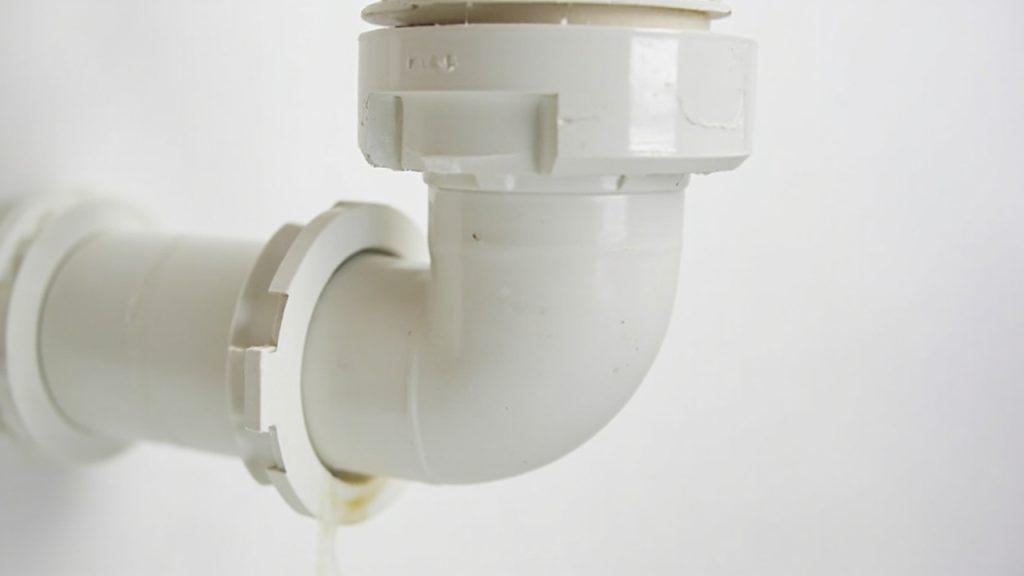
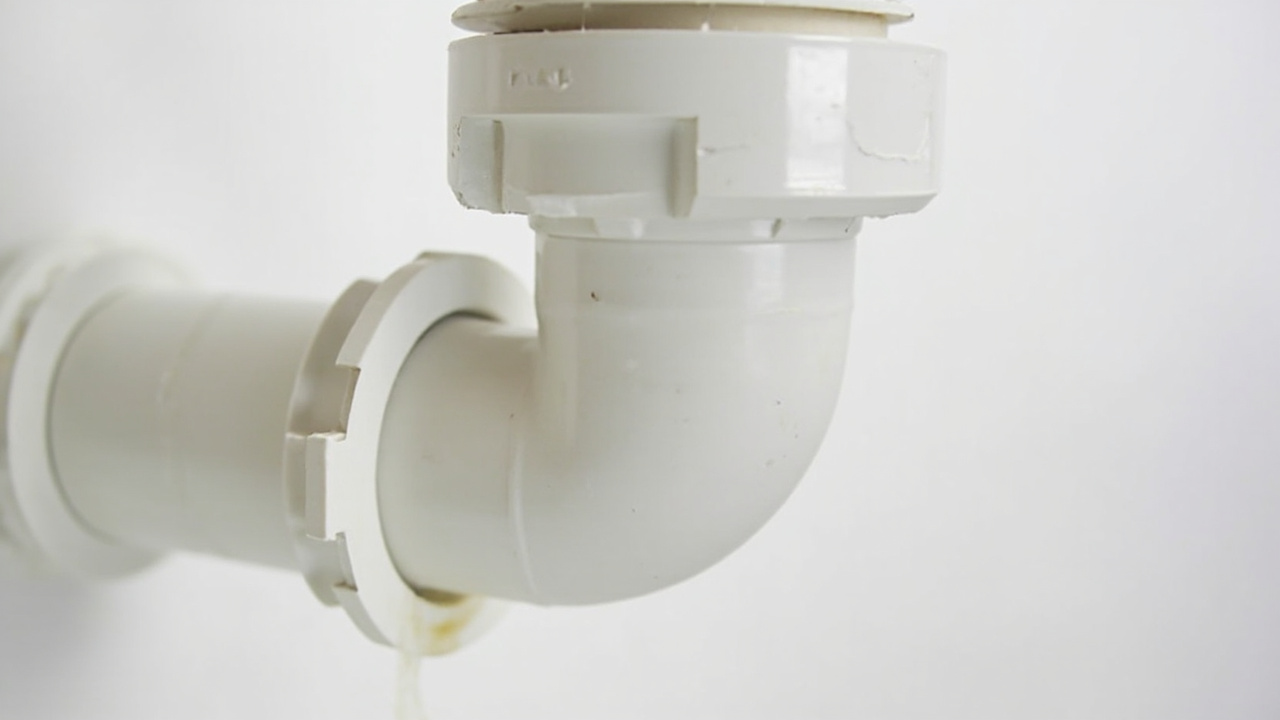
Living in the Milan neighborhood of New Orleans means dealing with extreme humidity every day. In 2026, we see record high dew points that force your air conditioning system to work harder than ever. Your HVAC unit does more than cool the air. It acts as a massive dehumidifier. As the evaporator coil pulls moisture from the thick New Orleans air, that water must go somewhere. It drips into a primary pan and flows out through a PVC pipe called the condensate line. When this line fails, your home faces immediate water damage risks.
Your air conditioner can produce up to twenty gallons of water per day during a typical humid week in Milan. If a clog occurs, those twenty gallons end up in your attic, your closet, or soaked into your flooring. This is not just a plumbing issue. It is a significant water restoration event that requires fast action to prevent mold growth and structural rot.
The Science of HVAC Condensation in New Orleans
The physics of cooling in 2026 remains tied to the local climate. When warm, moist air hits the cold metal of your evaporator coil, the moisture reaches its dew point and turns into liquid water. This process is constant. In the Milan area, homes are often older or have specific architectural layouts that place HVAC units in tight attic spaces or small interior closets. This makes the drain line even more susceptible to issues because of limited airflow and heat buildup around the unit itself.
The primary cause of clogs in New Orleans is bio-slime. This is a thick, jelly-like substance made of algae, fungus, and bacteria. It thrives in the dark, damp environment of your drain line. Because our local water and air carry high organic loads, this slime grows faster here than in drier parts of the country. Without regular maintenance, this slime creates a vacuum-tight seal in the pipe. The water then backs up into the unit and overflows the internal pan.
Why Your Milan Home is at Risk
Milan features a mix of historic raised cottages and mid-century renovations. Many of these properties have had modern HVAC systems retrofitted into spaces that were not originally built for them. If your unit sits in an attic above a lath and plaster ceiling, a clogged drain line can cause a ceiling collapse in less than forty-eight hours. Plaster absorbs water differently than modern drywall. It becomes heavy and loses its structural bond with the wood lath behind it.
If you live near Freret Street or Napoleon Avenue, you know that the ground shifts. This soil movement can slightly tilt your secondary drain pan. If the pan is not level, the water will spill over the side before it ever reaches the emergency float switch. This is why many Milan residents find damp carpets in their bedrooms or water stains in the hallway even when they think their system is safe. For residents in nearby neighborhoods, we offer specialized quick response water damage restoration for Lakeview homeowners to address these exact scenarios.
Signs of an HVAC Drain Line Leak
You must watch for specific indicators that your condensate system has failed. The most obvious sign is water pooling around the base of your furnace or air handler. But in New Orleans, symptoms are often more subtle. You might notice a sudden increase in indoor humidity. If your home feels clammy even when the AC is running, your drain line might be partially blocked, keeping water inside the unit where it re-evaporates into your ductwork.
Musty odors are another red flag. That damp, earthy smell suggests that bio-slime is not just in the pipe but is now growing in the insulation or the subfloor under your unit. If you see dark spots forming on the ceiling below your HVAC closet, you need to act immediately. This indicates a long term leak that has already saturated the building materials. At this stage, you may need professional black mold removal for homes in Algiers or Milan to ensure the air quality remains safe.
How to Clean Your HVAC Condensate Line
Preventative cleaning is something every Milan homeowner should do every three months. You do not need expensive tools. You need a gallon of distilled white vinegar and a stiff brush. Locate the PVC access point near your indoor unit. This is usually a T-shaped pipe with a cap. Remove the cap and inspect the interior. If you see standing water, the line is already clogged.
- Turn off the power to your HVAC system at the thermostat and the breaker.
- Remove the cap from the condensate drain access point.
- Check the drain pan for standing water. Use a wet vacuum to remove any liquid if the pan is full.
- Pour one cup of distilled white vinegar into the line. The acidity of the vinegar kills the algae and breaks down the bio-slime.
- Let the vinegar sit for thirty minutes to ensure it dissolves the blockage.
- Flush the line with a gallon of fresh water to ensure it flows freely to the exterior of your home.
- Check the exit point of the pipe outside. You should see a steady stream of water flowing out.
If the water does not flow, the clog is too deep for vinegar alone. Do not use pressurized air unless you know what you are doing. High pressure can burst the PVC joints inside your walls, turning a simple clog into a massive hidden flood. If you find your kitchen flooded due to an overhead unit leak, our team provides emergency kitchen flood response in Uptown New Orleans and surrounding areas.
Comparing DIY Maintenance to Professional Restoration
It is important to understand the difference between fixing a pipe and restoring a home. An HVAC technician will clear the line. A water restoration expert will save your property. The following table illustrates the difference in service scope during a 2026 moisture event.
| Service Feature | Standard HVAC Repair | Professional Water Restoration |
|---|---|---|
| Clog Removal | Yes | Yes | Moisture Mapping | No | Yes (Thermal Imaging) | Structural Drying | No | Yes (Industrial Equipment) | Mold Prevention | No | Yes (Antimicrobial Treatment) | Insurance Documentation | No | Yes (Full Claims Support) |
Structural Impacts of HVAC Water Intrusion
Water from an AC unit is technically Category 1 water, which means it is clean at the source. But in the 2026 New Orleans heat, Category 1 water becomes Category 3 (black water) very quickly. The high temperatures in Milan attics accelerate the growth of bacteria. Within twenty-four to forty-eight hours, the stagnant water in your drain pan or on your floor becomes a breeding ground for pathogens.
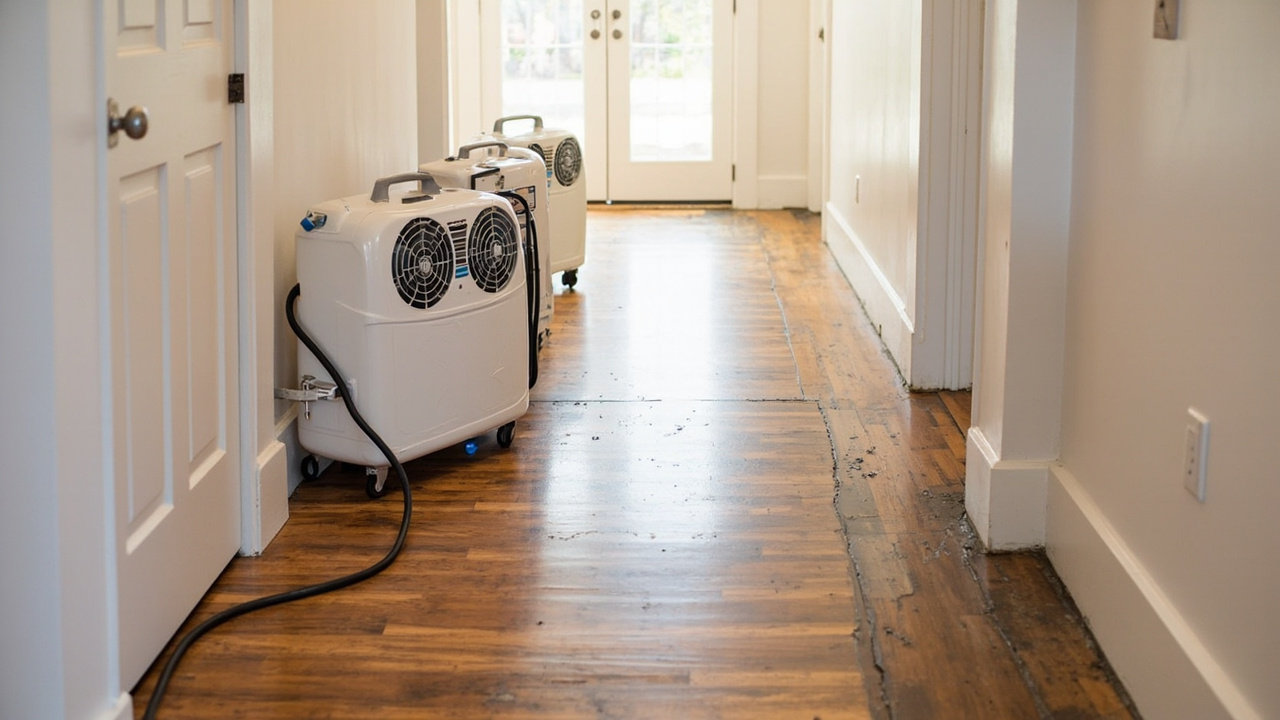
Building materials in Milan react differently to this moisture. Hardwood floors, common in our historic district, will cup and warp if water sits on them for more than a few hours. According to the IICRC S500 standards, professional drying must begin as soon as possible to prevent permanent damage to the wood cell structure. We use specialized floor drying mats that pull moisture through the wood from the bottom up. This is a level of care beyond simple fans or towels.
If the leak happens in an attic, the insulation is often the first thing to fail. Blown-in insulation or fiberglass batts lose their R-value once wet. They also trap moisture against your ceiling joists, leading to wood rot. If your home has historic finishes, you should look into mold remediation and preservation for Garden District historic mansions and Milan homes to protect the architectural integrity of your property.
Drying Timelines for New Orleans Homes
The time it takes to dry a home in Milan depends on the materials involved and the relative humidity of the environment. In 2026, we use high-capacity LGR (Low Grain Refrigerant) dehumidifiers to pull moisture out of the air even when the ambient humidity is extreme. This table shows typical drying times for various materials when using professional equipment.
| Material Type | Estimated Drying Time | Critical Factor |
|---|---|---|
| Standard Drywall | 2 to 3 Days | Airflow across the surface | Historic Plaster | 4 to 7 Days | Internal moisture migration | Oak Hardwood | 5 to 10 Days | Subfloor saturation levels | Concrete Subfloor | 3 to 5 Days | Vapor pressure differential |
Notice that historic plaster takes significantly longer to dry. This is common in Milan. If you rush the process or stop the fans too early, the moisture remains trapped in the middle of the wall. This leads to mold growth inside the wall cavity weeks after you think the problem is gone. We use moisture meters to confirm that every material has reached its dry standard before we remove our equipment.
The Importance of the Secondary Drain Pan
Every modern HVAC system in Milan should have a secondary drain pan. This is a shallow metal or plastic tray that sits beneath the entire unit. It serves as a safety net. If the primary line clogs, the water falls into this pan. In a perfect setup, the pan has its own separate drain line that exits in a highly visible place, like above a window. This tells you there is a problem before your floors get wet.
Many 2026 installations also include a float switch. This is a small device that shuts off your air conditioner if water accumulates in the secondary pan. If your AC suddenly stops working on a hot Milan afternoon, check the pan first. It might be full of water. While a hot house is frustrating, a dry house is much better than a flooded one. If you find that a major leak has also affected your plumbing or sewage systems, you may need emergency sewage cleanup in Metairie or Milan to ensure the home is sanitary.
Professional Restoration Protocols for Milan Residents
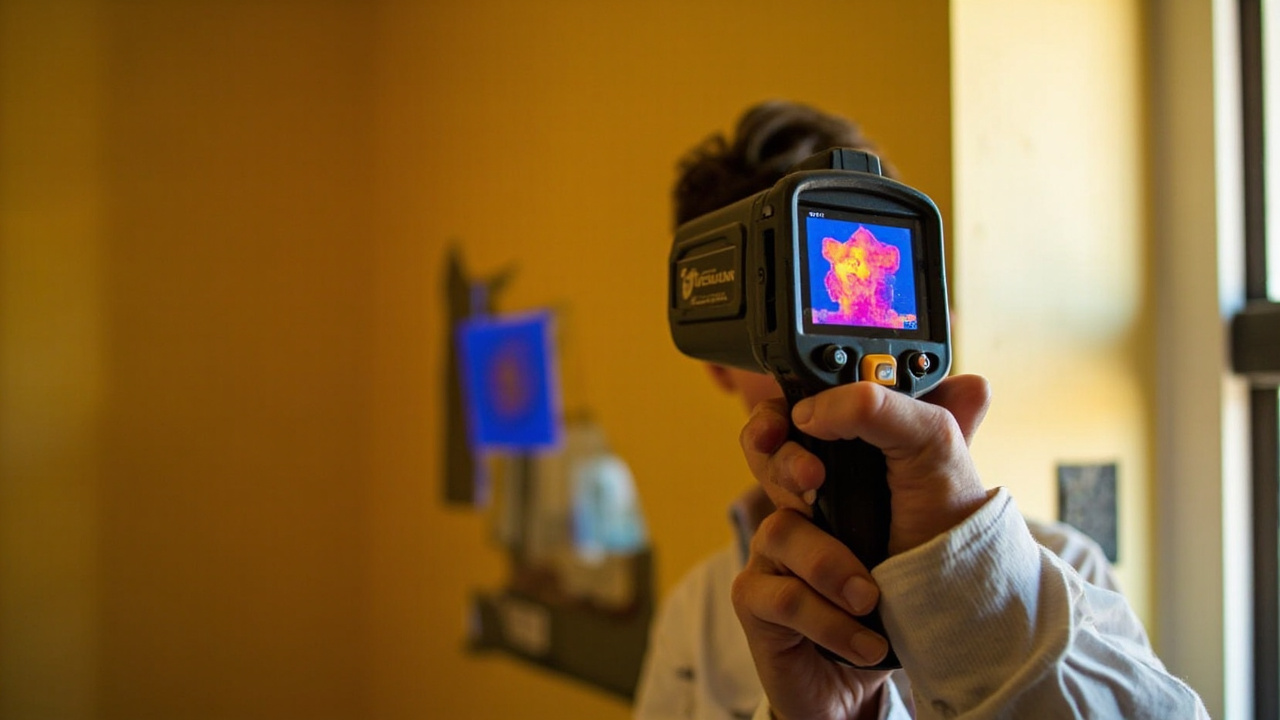
When you call a restoration professional, the process follows strict scientific guidelines. We do not just guess where the water went. We use thermal imaging cameras to see behind your walls. Water changes the temperature of the material it saturates. On a thermal camera, wet studs and insulation appear as dark, cold spots. This allows us to target our drying efforts without tearing down every wall in your home.
Our technicians are licensed through the Louisiana State Licensing Board for Contractors. This ensures that the work performed meets the legal and safety requirements of our state. We focus on psychrometrics, which is the study of air and water vapor. By controlling the temperature and the humidity in your home, we create an environment where water evaporates from your floor and walls at the fastest possible rate. This is the only way to save materials like cabinetry and hardwood from the trash pile.
If you suspect your HVAC system has leaked into your home, do not wait for the weekend to pass. Moisture in New Orleans waits for no one. A small damp spot today is a full mold colony by the end of the week. Turn off your HVAC system, call a technician to fix the clog, and call a restoration expert to dry your property. Taking these steps in 2026 will protect your investment and keep your Milan home safe and healthy for years to come.