Why Your Irish Channel Home Feels Damp After Every Rainstorm and How to Fix It
Walking into your Irish Channel home after a heavy New Orleans downpour should feel like a relief from the elements. Instead many residents find their living rooms feeling just as sticky as the sidewalk on Magazine Street. That heavy damp sensation is more than an annoyance. It signals that your home is failing to manage the intense moisture levels common in our subtropical climate. In 2026 we see more moisture related structural issues in the Irish Channel than in almost any other neighborhood due to the specific age and construction of these historic properties.
Your home acts like a sponge when the humidity spikes above 70 percent. Historic Irish Channel architecture often uses pier and beam foundations. While this design helps with airflow it also exposes the underside of your floorboards to the swampy air rising from the damp New Orleans soil. If you notice a musty smell or your skin feels clammy indoors you likely have a moisture management problem that requires professional attention before it turns into a full restoration project.

Understanding the Science of Moisture in New Orleans Homes
New Orleans humidity behaves differently than moisture in drier climates. When rain hits the warm pavement and soil it evaporates quickly into a thick vapor. This vapor creates high vapor pressure which pushes moisture into your home through every tiny crack in the siding or gap in the floorboards. Professionals call this moisture migration. In the Irish Channel the high water table means the ground stays saturated long after the rain stops falling. This creates a constant source of rising dampness that affects your indoor air quality.
Psychrometry is the study of air and water vapor mixtures. In our 2026 restoration work we use advanced psychrometric sensors to track how your home breathes. Most Irish Channel homes suffer from poor evaporation rates. The air inside becomes so saturated that it can no longer hold water. This leads to condensation on your walls and windows. If your indoor humidity stays above 60 percent for more than two days you are at high risk for microbial growth. Residents often need professional black mold removal for homes in Algiers and the Irish Channel when these levels go unchecked.
Identifying Visible Signs of Water Intrusion in Your Residence
You must look for the subtle signs of water damage before they become obvious catastrophes. One of the first indicators is efflorescence. This is a white powdery substance that appears on brick piers or foundation walls. It happens when water moves through the masonry and leaves behind salt deposits. If you see this in your crawlspace your home is pulling moisture directly from the earth. This process is called capillary action and it can weaken your foundation over time.
Check your floorboards for cupping or crowning. Cupping happens when the bottom of the wood is wetter than the top causing the edges of the planks to rise. This is a classic sign of crawlspace moisture issues. If you notice this happening after a storm you need to act fast. For those living in other parts of the city similar issues often require quick response water damage restoration for Lakeview homeowners in New Orleans to prevent permanent floor warping.
Current Moisture Thresholds for Irish Channel Properties in 2026
| Material Type | Normal Moisture Content | Action Required Range | Emergency Restoration Range |
|---|---|---|---|
| Drywall and Plaster | 5 percent to 8 percent | Above 12 percent | Above 20 percent |
| Hardwood Flooring | 6 percent to 10 percent | Above 13 percent | Above 18 percent |
| Framing Lumber | 9 percent to 12 percent | Above 16 percent | Above 25 percent |
| Subflooring | 8 percent to 11 percent | Above 15 percent | Above 22 percent |
Crawlspace Issues Common in Irish Channel Shotgun Houses
The traditional shotgun house is an architectural treasure but its design presents unique moisture challenges. Most of these homes sit on brick piers. Over the decades many homeowners have added lattice or solid skirting around the base. While this looks nice it often traps humid air under the house. When it rains the water pools in the low spots of the crawlspace and the lack of airflow prevents it from drying. This creates a localized humid microclimate directly beneath your feet.
We often find that modern landscaping has changed the grade of the yard. If your flower beds are higher than the soil under your house the rain flows directly into your crawlspace. This leads to standing water. Standing water under a home is an emergency situation. It can lead to wood rot and attract pests. If you experience a sudden influx of water from a broken pipe or heavy storm you might also need to look into emergency kitchen flood response in Uptown New Orleans as these problems often spread across different rooms.
Health Risks Associated with High Indoor Humidity Levels
Excessive dampness is not just a structural problem. It is a health concern. The Environmental Protection Agency states that controlling moisture is the only way to control mold growth. In the 2026 New Orleans environment mold spores are everywhere. They only need a food source like drywall or wood and a moisture source to begin growing. Within 24 to 48 hours of a rainstorm a damp house can become a breeding ground for allergens.
High humidity also increases the presence of dust mites and other indoor pollutants. People with asthma or respiratory issues often find their symptoms worsen during the rainy season. Professional restoration companies use industrial grade HEPA air scrubbers to clean the air while drying out the structure. This is a critical step that standard home dehumidifiers cannot handle. In historic areas like the Garden District this process is even more specialized. You can learn more about professional mold remediation and preservation for Garden District historic mansions to see how we handle delicate older structures.
Professional Solutions for Persistent Residential Humidity
Fixing a damp home requires a multi step approach. First we use thermal imaging cameras to find exactly where the water is hiding. Sometimes the dampness you feel in the air is actually coming from a hidden roof leak or a failed window seal rather than the ground. Once we identify the source we use moisture mapping to track the progress of our drying efforts. This ensures that we do not leave any pockets of moisture behind that could cause future rot.
Structural drying is the most effective way to lower indoor humidity permanently after a storm. This involves using high velocity air movers and LGR dehumidifiers. These machines are designed to pull gallons of water out of the air and the building materials every day. For homes that have suffered more severe issues like backup from the city sewer system we follow strict IICRC S500 Standards for professional water damage restoration. If your dampness comes with a foul odor you should immediately contact experts who specialize in emergency sewage cleanup in Metairie or the local New Orleans area.
Comparison of Residential Drying Methods in 2026
| Method | Typical Equipment | Best Use Case | Estimated Timeframe |
|---|---|---|---|
| Standard Ventilation | Ceiling fans and open windows | Surface moisture only | 5 to 7 days |
| Refrigerant Dehumidification | Consumer grade dehumidifiers | Minor humidity control | 3 to 5 days |
| LGR Dehumidification | Industrial Low Grain Refrigerant units | Deep structural drying | 2 to 3 days |
| Desiccant Drying | Industrial desiccant trailers | Large commercial or extreme cases | 1 to 2 days |
[IMAGE_PLACE_HOLDER_3]
Immediate Steps to Take After a Heavy New Orleans Rainstorm
If your home feels unusually damp after the latest storm you should follow a specific protocol to minimize damage. Waiting even one extra day can significantly increase the cost of repairs. Professional restoration teams in 2026 prioritize rapid response to keep your family safe and your property intact.
- Check your crawlspace for standing water or mud. If water is pooling it must be pumped out immediately.
- Run your air conditioner on the dry setting if available. This helps pull some moisture out of the air.
- Clear your gutters and downspouts. Ensure the water is discharging at least five feet away from your foundation.
- Inspect the seals around your windows and doors. Modern weatherstripping can fail in the intense New Orleans heat.
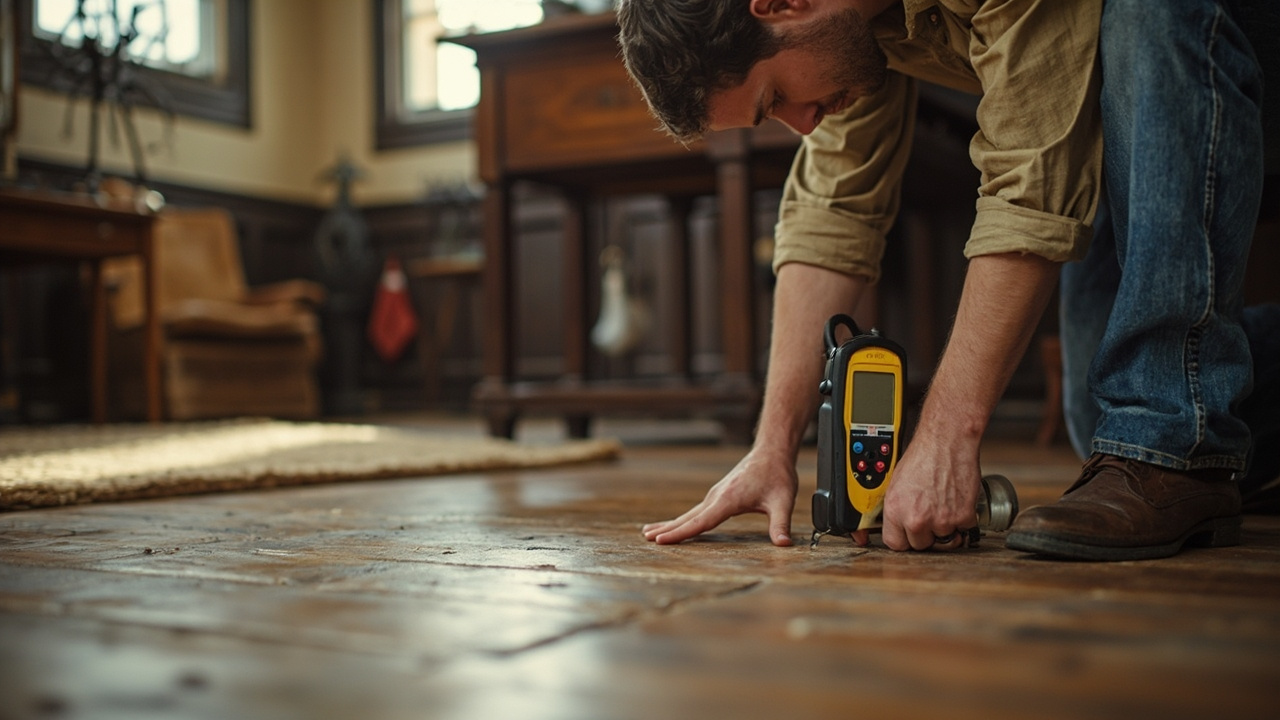
- Call a professional for a moisture inspection. We use specialized meters to detect water inside your walls that you cannot see or feel.
- Move furniture away from exterior walls to allow better airflow.
- Avoid using carpets in areas that feel damp as they trap moisture against the floor.
The Importance of Professional Moisture Mapping
Moisture mapping is a technical process where we create a visual representation of the water content in your home. We use non invasive meters that can read moisture through tile wood and drywall. This allows us to see the path the water took when it entered your home. In the Irish Channel we often find that water enters at the roofline and travels down the inside of the wall cavities until it hits the floor. Without this mapping you might dry the surface but leave the interior of the wall wet. This is how hidden mold colonies start.
Our 2026 technology also includes infrared thermography. This tool shows temperature differences in your walls. Since wet materials are usually cooler than dry ones we can spot hidden leaks instantly. This saves you from having to tear down drywall just to find a small leak. Once the mapping is complete we create a drying plan that target specific areas with high pressure drying systems. This targeted approach is faster and more efficient than just putting fans in a room.
Maintaining Your Historic Home Against Future Storms
Living in the Irish Channel means living with water. You cannot change the climate of New Orleans but you can change how your home responds to it. Regular maintenance is your best defense. This includes checking your roof for missing shingles every spring and ensuring your crawlspace vents are clear and functional. If you have a solid foundation wall consider installing a vapor barrier. This is a heavy plastic sheet that covers the ground in your crawlspace and prevents moisture from rising into your house.
When the dampness becomes more than you can handle on your own you need an expert who understands the local architecture and the unique challenges of our city. We have seen how the 2026 rain patterns have intensified the moisture issues for many local residents. Taking action today prevents a minor dampness issue from becoming a major structural failure tomorrow. Contact us today to schedule a comprehensive moisture assessment and restore the comfort of your Irish Channel home.