



Metairie sits in a bowl below sea level, surrounded by Lake Pontchartrain to the north and the Mississippi River levees to the south. This geography makes water intrusion a constant risk. Heavy subtropical rains overwhelm aging drainage pumps. High water tables push groundwater through foundation cracks. Hurricane season brings storm surge and wind-driven rain through roof penetrations.
The clay soil underneath Metairie holds water like a sponge, creating hydrostatic pressure against foundation walls and basement slabs. Older homes in Old Metairie and Metairie Terrace were built before modern waterproofing standards. Even newer construction near Veterans Boulevard faces challenges from settling and drainage issues.
Humidity stays high year-round, giving mold spores the moisture they need to colonize within 24 to 48 hours after water damage. Air conditioning systems run constantly, creating condensation issues in attics and crawl spaces. Slab foundations common throughout Metairie hide plumbing leaks until water surfaces through flooring.
Parish regulations require proper permits for structural drying and reconstruction work. Insurance claims demand documentation from the first moment of discovery. Fast response determines whether you face a cleanup job or a full remediation project with mold abatement and reconstruction.
We've restored hundreds of Metairie properties from water damage, from small supply line leaks to major storm flooding. Our technicians know the difference between a quick extraction job and a complex remediation requiring structural drying and mold prevention. We understand how Metairie's soil, climate, and construction types create specific challenges.
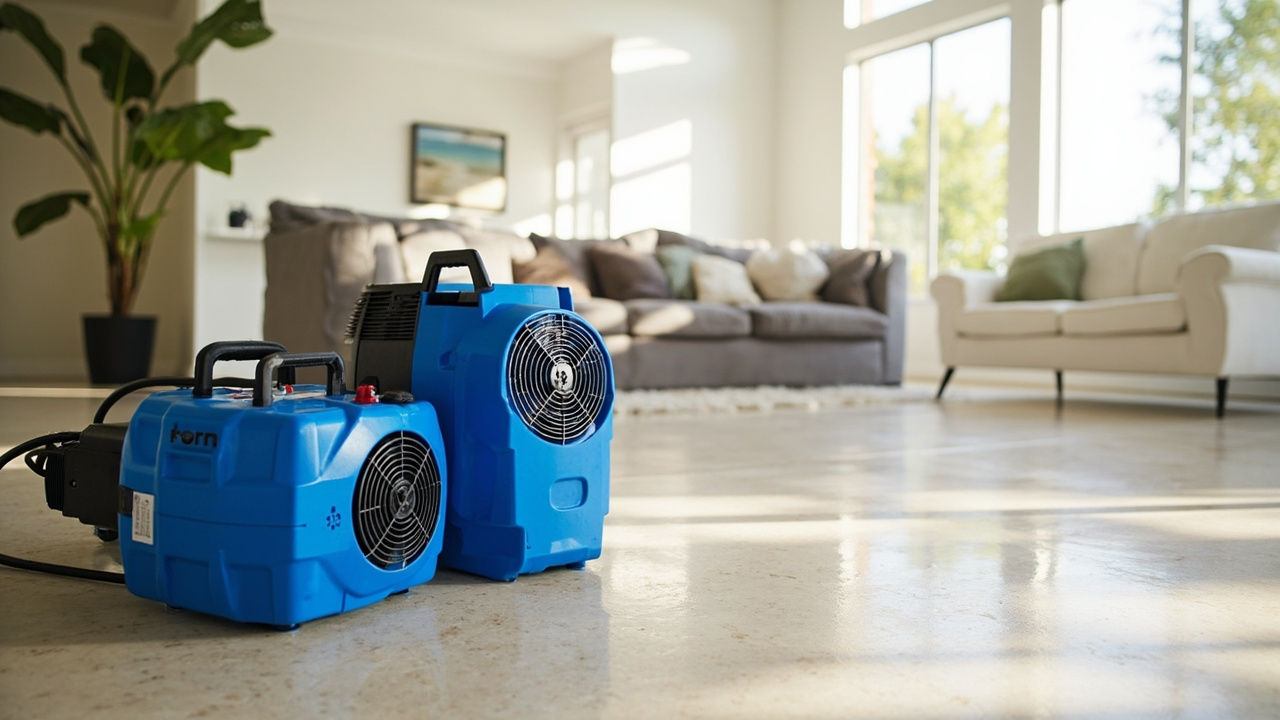
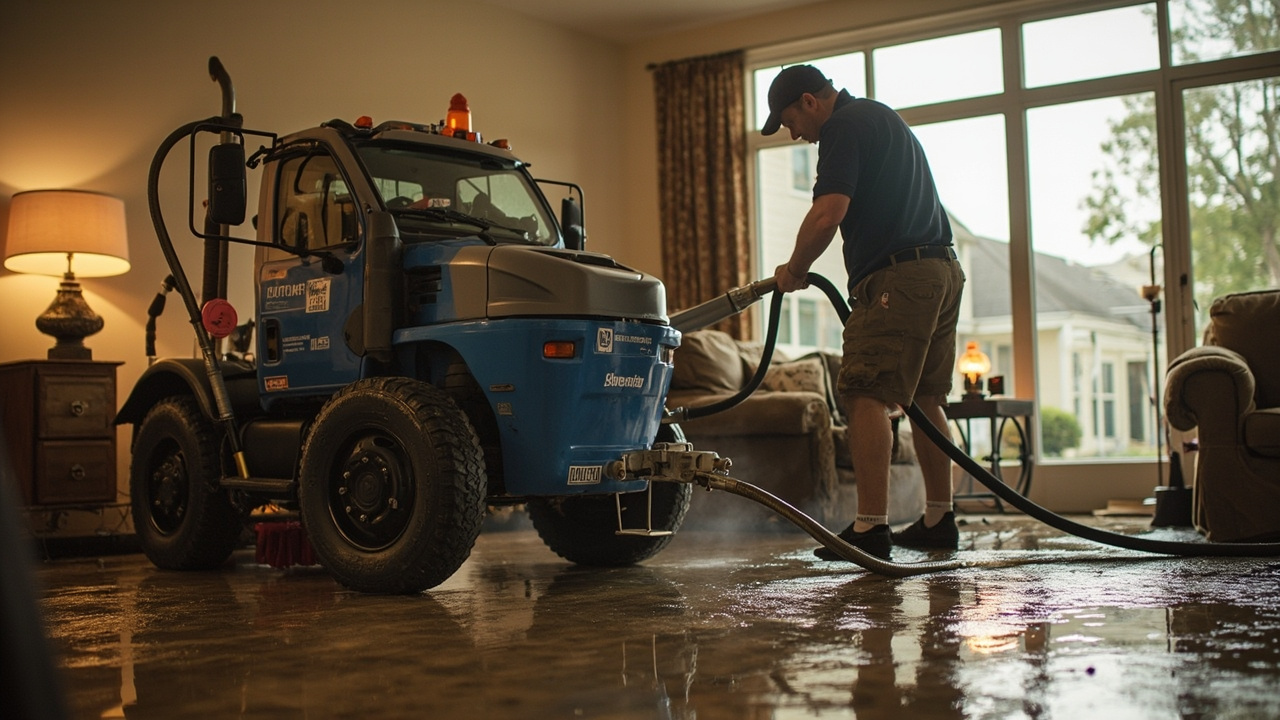
Our response starts within 60 minutes of your call. We arrive with truck-mounted extraction equipment, industrial dehumidifiers, and thermal imaging cameras to find hidden moisture. While other companies focus on visible water, we map moisture in wall cavities, under flooring, and in ceiling assemblies where mold grows unseen.
Insurance coordination separates us from competitors. We document everything with photos, moisture readings, and detailed scope reports. We communicate directly with adjusters, providing the evidence they need to approve your claim. Many customers tell us we saved them thousands in out-of-pocket costs through proper documentation and advocacy.
We hold IICRC certifications in water damage restoration and applied structural drying. Our process follows Institute of Inspection Cleaning and Restoration Certification standards, not shortcuts. We track drying progress daily with moisture meters and thermal imaging, adjusting equipment placement until structures reach dry standard. Certificates of completion document the entire project timeline for your records and insurance file.

Water damage gets worse every hour. We dispatch crews within 60 minutes throughout Metairie, arriving with extraction equipment and monitoring tools ready to work. Our trucks stay stocked and our teams stay ready 24 hours a day, 365 days a year. Fast response stops secondary damage before it starts.

We document water damage the way insurance adjusters demand. Detailed photos, moisture mapping, thermal imaging, and equipment logs create the evidence file your claim needs. We communicate directly with adjusters, answer their questions, and provide supplemental documentation when needed. You get the coverage you've paid for.
Our restoration technicians hold Institute of Inspection Cleaning and Restoration Certification credentials in water damage restoration and applied structural drying. We follow proven protocols, not guesswork. Scientific drying methods, proper equipment placement, and daily monitoring ensure your property reaches dry standard without mold growth or structural damage.
We understand how Metairie homes are built. Slab foundations, brick veneer construction, crawl space ventilation issues, and pier-and-beam structures all require different drying approaches. Our technicians know which wall assemblies trap moisture, where hidden leaks occur, and how local soil conditions affect foundations. Local expertise matters.
Water damage comes in many forms. A burst supply line floods a kitchen in minutes. A slow roof leak rots attic decking over months. Storm surge pushes contaminated floodwater through doors and windows. Each scenario demands different equipment, safety protocols, and restoration techniques.
We provide emergency water removal, structural drying, mold remediation, and full reconstruction services. Our capabilities range from simple carpet drying to complex projects requiring demolition, antimicrobial treatment, and rebuild coordination. We handle clean water from supply lines, gray water from appliances, and black water from sewage backups or flooding.
Our service categories cover immediate mitigation, thorough remediation, and complete restoration. Mitigation stops ongoing damage and stabilizes your property. Remediation addresses contamination and prevents mold growth. Restoration returns your space to pre-loss condition through repairs and reconstruction. Most projects require all three phases working in sequence.
We coordinate with your insurance company throughout the process, providing updates and documentation at each milestone. Our project managers oversee every phase from emergency response through final walkthrough, ensuring quality work and clear communication.
When water invades your property, immediate action prevents catastrophic damage. Our emergency teams extract standing water with truck-mounted pumps and portable extractors, removing thousands of gallons quickly. We pull wet contents, remove soaked materials that can't be saved, and set industrial air movers and dehumidifiers to begin structural drying. Thermal imaging identifies hidden moisture in walls and ceilings. We document everything for your insurance claim from the moment we arrive. Fast mitigation means lower repair costs and faster recovery.
Removing standing water is just the beginning. Moisture trapped in wall cavities, subflooring, and structural materials causes mold growth and rot. Our IICRC-certified technicians use moisture meters and thermal cameras to map affected areas, then position commercial dehumidifiers and air movers for maximum drying efficiency. We monitor progress daily, adjusting equipment until moisture readings reach dry standard. Proper structural drying prevents mold contamination, preserves building materials, and reduces reconstruction costs. We follow proven protocols that insurance companies trust.
After drying and remediation, your property needs skilled reconstruction to return to pre-loss condition. We rebuild what water destroyed. Drywall replacement, flooring installation, cabinet work, painting, and trim carpentry bring your space back to life. Our reconstruction crews coordinate with plumbers and electricians when needed. We match existing finishes, work within insurance estimates, and complete projects on schedule. You get one company handling the entire process from emergency response through final punch list, with a single point of contact managing every phase.
Metairie's location, climate, and construction patterns create predictable water damage scenarios. Properties near Bonnabel Canal and Metairie Ridge face different challenges than homes in low-lying areas near the 17th Street Canal. Understanding local risk factors helps property owners recognize problems early.
Heavy rainfall overwhelms drainage systems designed decades ago for smaller storms. Tropical systems dump inches of rain in hours, flooding streets and backing up through foundation drains. High humidity feeds mold growth in attics and crawl spaces year-round. Aging cast iron pipes corrode and leak. Slab foundations hide supply line failures until water surfaces through flooring.
Jefferson Parish building codes require proper ventilation and moisture barriers, but older homes predate these standards. Air conditioning condensate lines clog with algae. Roof penetrations around vents and chimneys leak during wind-driven rain. Water heaters fail without warning, releasing 40 to 50 gallons inside homes.
These common scenarios cause thousands of dollars in damage when not addressed immediately. Recognition and fast response make the difference between minor repairs and major reconstruction projects.
Hurricane season and heavy thunderstorms bring flooding through doors, windows, and foundation cracks. Storm surge from Lake Pontchartrain affects low-lying neighborhoods. Wind-driven rain penetrates roof systems and wall assemblies. Fast water extraction prevents mold growth and saves building materials. Contaminated floodwater requires antimicrobial treatment and proper disposal protocols.
Supply lines under slab foundations leak for weeks before water appears through flooring. Toilet wax rings fail, seeping water into subfloors. Corroded angle stops and braided supply hoses rupture without warning. Wall-concealed drain pipes develop pinhole leaks. These hidden failures cause extensive damage before detection. Thermal imaging and moisture mapping locate the source and full extent.
Washing machine supply hoses burst during fill cycles. Dishwashers leak from failed door seals and cracked drain lines. Water heaters corrode and rupture, flooding laundry rooms and garages. Refrigerator ice maker lines crack and spray water for hours before discovery. These common appliance failures dump gallons of water into homes, requiring immediate extraction and drying.
High humidity and poor ventilation create mold problems in attics, crawl spaces, and bathrooms. Air conditioning systems create condensation in ductwork and drip pans. Slow roof leaks saturate insulation and decking. Gutters overflow against fascia boards, rotting wood and feeding mold growth. Addressing moisture sources and contaminated materials requires containment, proper removal, and antimicrobial treatment.
Water damage creates stress and confusion. Our process removes uncertainty and puts you back in control. From your first phone call through project completion, we provide clear communication about what's happening, why it matters, and what comes next.
You'll speak with a real person when you call, not an answering service. We ask specific questions about your situation to dispatch the right equipment and crew size. Our technicians arrive in marked vehicles with identification, ready to assess damage and begin work immediately.
We walk you through our findings, explain the restoration process, and answer your questions in plain language. You'll know what needs to happen, how long it takes, and what it costs before we start work. Our written estimates detail every phase of restoration with line-item pricing.
Daily updates keep you informed about drying progress, timeline changes, and insurance coordination. We protect your contents, work clean, and treat your property with respect. You get direct phone numbers for your project manager and crew chief.
Our technicians arrive with moisture detection equipment and begin assessment immediately. We use thermal imaging to find hidden water, moisture meters to map affected areas, and photos to document conditions. You'll receive a clear explanation of damage extent, restoration requirements, and expected timeline. We answer your questions without technical jargon. You'll understand exactly what needs to happen and why before we begin work.
We create detailed documentation packages for insurance claims. Photos show damage from multiple angles. Moisture maps identify affected areas. Equipment logs track drying progress. Our estimates follow Xactimate pricing that adjusters recognize. We communicate directly with your insurance company, providing supplemental information and answering technical questions. You get copies of everything for your records. Proper documentation maximizes claim approval.
Your project manager checks in daily with drying progress updates and timeline confirmations. Our technicians arrive on schedule, work efficiently, and clean up before leaving. We adjust equipment placement based on moisture readings, not guesswork. You receive photos showing progress at each milestone. When reconstruction begins, we coordinate inspections and keep you informed about material deliveries and completion dates.
Every water damage scenario is different, but our approach stays consistent. Systematic processes ensure nothing gets missed. We move through restoration phases in the right sequence, completing each step properly before moving forward.
We arrive within 60 minutes to stop ongoing damage. Crews extract standing water with truck-mounted pumps and portable extractors. We identify the water source and stop it if possible. Contents get moved to dry areas or climate-controlled storage. Wet materials that can't be saved come out immediately. Industrial air movers and dehumidifiers begin structural drying. We document initial conditions with photos and moisture readings for insurance claims.
Technicians monitor moisture levels daily using meters and thermal imaging. We adjust equipment placement to maximize drying efficiency in wall cavities, subfloors, and ceiling assemblies. Dehumidifiers pull moisture from the air while air movers increase evaporation rates. This phase continues until all affected materials reach dry standard, meeting IICRC guidelines. Proper drying prevents mold growth and structural damage.
After structures dry completely, reconstruction begins. We replace drywall, install new flooring, rebuild cabinets, and complete finish work. Paint matching, trim replacement, and detail work return your property to pre-loss condition. Final inspections verify quality. We coordinate with plumbers, electricians, and other trades when needed. You receive warranty documentation and certificates of completion for your insurance file.
Professional water damage restoration follows scientific protocols established by the Institute of Inspection Cleaning and Restoration Certification. These standards guide assessment, drying, and restoration processes to ensure thorough remediation and prevent secondary damage.
Water damage gets classified into three categories based on contamination level. Category 1 involves clean water from supply lines and fixtures. Category 2 gray water contains some contamination from appliances or toilet overflow without feces. Category 3 black water comes from sewage, flooding, or stagnant sources and requires special handling protocols including personal protective equipment and antimicrobial treatment.
Structural drying requires calculating the grain depression between materials and air. Dehumidifiers remove moisture from air while air movers increase evaporation from surfaces. The psychrometric chart guides equipment selection and placement. We measure temperature, relative humidity, and specific humidity to track drying progress. Materials must reach equilibrium moisture content appropriate for Louisiana's climate.
IICRC S500 Standard and Reference Guide for Professional Water Damage Restoration provides the framework all certified technicians follow. This document specifies inspection procedures, safety protocols, drying goals, and documentation requirements. Insurance companies reference S500 when evaluating restoration proposals and payment.
Jefferson Parish requires permits for reconstruction work exceeding certain thresholds. Electrical and plumbing work needs licensed contractors. Mold remediation over 25 square feet triggers Louisiana Mold Remediation License requirements. We maintain proper licensing and pull required permits to keep your project compliant.
Documentation matters for insurance claims and future property transfers. We create comprehensive files including pre-mitigation photos, moisture maps, daily logs, equipment placement diagrams, and post-restoration verification. This documentation proves work was completed properly and protects your investment.
Clean water from supply lines receives Category 1 classification and requires standard safety procedures. Gray water from appliances or drains needs Category 2 protocols with antimicrobial treatment. Black water from sewage or flooding demands Category 3 containment, protective equipment, and disposal procedures. Proper classification determines safety requirements and restoration approach. Contamination levels guide decisions about which materials can be saved.
Water damage costs depend on contamination level, affected area size, structural materials involved, and how long water remained present. Category 3 sewage backups cost more than clean supply line leaks. Hardwood floors cost more to dry than carpet. Mold remediation adds expense when response delays exceed 48 hours. Insurance deductibles vary between carriers. Most policies cover sudden and accidental water damage but exclude flood and maintenance issues.
Structural drying takes three to five days for typical residential water damage when mitigation starts immediately. Large losses or delayed response extend timelines to seven to ten days. Materials must reach dry standard verified by moisture meter readings matching unaffected areas. Relative humidity should stabilize between 30 to 50 percent. Rushing the drying process causes mold growth and material failure. Proper completion prevents callbacks and additional damage.
Louisiana requires mold remediation licenses for projects exceeding 25 contiguous square feet. Jefferson Parish building permits apply to reconstruction work including electrical, plumbing, and structural repairs. Licensed contractors must perform specialty trades. We maintain required licenses, pull proper permits, and coordinate inspections. Compliance protects your insurance claim, property value, and legal standing. Documentation proves work met state and local standards.
Professional water damage restoration company explains the complete process for emergency water removal, structural drying, and property restoration in Metairie, Louisiana. Video covers water damage categories, IICRC drying standards, moisture detection methods, equipment used, insurance documentation requirements, and typical project timelines. Includes discussion of Metairie-specific challenges including below sea level location, high humidity, storm flooding risks, and common residential construction types. Demonstrates professional equipment and explains how certified restoration technicians return water-damaged properties to pre-loss condition.
Grand Water Damage Restoration New Orleans serves every neighborhood throughout Metairie and Jefferson Parish. Our central location allows rapid response whether you're near Lakeside Shopping Center, along Veterans Memorial Boulevard, or in the historic neighborhoods surrounding Metairie Cemetery.
Old Metairie features some of the area's most valued properties, with brick homes and mature landscaping dating back decades. These established neighborhoods near Metairie Country Club face unique challenges from aging plumbing systems and foundation settlement common to older construction. We understand the architectural details and construction methods used in these homes.
Bucktown and the neighborhoods along Lake Pontchartrain deal with high water tables and storm surge risks during hurricane season. Properties near the 17th Street Canal require careful attention to foundation waterproofing and drainage systems. Our teams know how proximity to the lake affects moisture management and flood response.
The commercial corridor along Veterans Boulevard and Causeway Boulevard serves thousands of businesses requiring fast commercial water damage response. Retail spaces, restaurants, medical offices, and multi-tenant buildings can't afford extended downtime. We coordinate after-hours work and maintain business operations during restoration when possible.
Fat City and the areas around Clearview Parkway feature a mix of residential and commercial properties. Mid-century construction in these neighborhoods often includes slab foundations where supply line leaks cause extensive damage before detection. Our thermal imaging equipment locates hidden moisture in walls and under flooring.
Metairie Terrace and the neighborhoods between Interstate 10 and Veterans Memorial include diverse housing stock from post-war construction through recent development. We've restored properties throughout this central area, responding to everything from pipe bursts during winter freezes to air conditioning overflow flooding.
We maintain response capabilities throughout Jefferson Parish including Harahan, River Ridge, Kenner, and Elmwood. Whether you face emergency water removal at 2 AM or need reconstruction estimates for insurance claims, our teams serve the entire greater New Orleans metro area with the same fast response and quality workmanship.
Yes. Water damage spreads fast in Metairie's humid climate. What starts as a small leak can become structural rot, mold growth, and electrical hazards within 24 to 48 hours. Professional restoration stops the damage cycle, preserves your property value, and prevents health risks. DIY attempts often miss hidden moisture in walls, subfloors, and crawl spaces. You pay now for restoration or pay much more later for mold remediation, foundation repair, and medical bills. Most homeowners insurance policies cover sudden water damage, making restoration financially accessible and worth the investment.
Water damage restoration includes emergency water extraction, structural drying, dehumidification, and antimicrobial treatment. Technicians remove standing water using industrial pumps, then place air movers and dehumidifiers to dry affected materials. Moisture meters track progress in walls, floors, and ceilings. Damaged materials like drywall, insulation, and flooring get removed if unsalvageable. The process includes mold prevention treatments, odor control, and final sanitization. In Metairie, restoration teams also address humidity concerns specific to our subtropical climate. The goal is complete moisture removal and returning your property to pre-loss condition.
Look for 24/7 emergency response, certified technicians (IICRC), and local Metairie experience. A quality company arrives quickly, conducts moisture mapping with thermal imaging, and provides detailed documentation for your insurance claim. Check reviews from neighbors in Old Metairie, Bucktown, or Fat City. Ask about their drying equipment, mold prevention protocols, and direct insurance billing. Avoid companies that lowball estimates or pressure you to sign contracts immediately. A trustworthy restoration company explains the process, shows credentials, and has handled Metairie's specific challenges like post-hurricane flooding and pipe bursts from shifting clay soil.
Yes. Water damage spreads fast in Metairie's humid climate. What starts as a small leak can become structural rot, mold growth, and electrical hazards within 24 to 48 hours. Professional restoration stops the damage cycle, preserves your property value, and prevents health risks. DIY attempts often miss hidden moisture in walls, subfloors, and crawl spaces. You pay now for restoration or pay much more later for mold remediation, foundation repair, and medical bills. Most homeowners insurance policies cover sudden water damage, making restoration financially accessible and worth the investment.
Water damage restoration includes emergency water extraction, structural drying, dehumidification, and antimicrobial treatment. Technicians remove standing water using industrial pumps, then place air movers and dehumidifiers to dry affected materials. Moisture meters track progress in walls, floors, and ceilings. Damaged materials like drywall, insulation, and flooring get removed if unsalvageable. The process includes mold prevention treatments, odor control, and final sanitization. In Metairie, restoration teams also address humidity concerns specific to our subtropical climate. The goal is complete moisture removal and returning your property to pre-loss condition.
Look for 24/7 emergency response, certified technicians (IICRC), and local Metairie experience. A quality company arrives quickly, conducts moisture mapping with thermal imaging, and provides detailed documentation for your insurance claim. Check reviews from neighbors in Old Metairie, Bucktown, or Fat City. Ask about their drying equipment, mold prevention protocols, and direct insurance billing. Avoid companies that lowball estimates or pressure you to sign contracts immediately. A trustworthy restoration company explains the process, shows credentials, and has handled Metairie's specific challenges like post-hurricane flooding and pipe bursts from shifting clay soil.
Plumbers fix the water source but rarely handle full restoration. A plumber stops the leak, replaces broken pipes, or repairs the water heater. Water damage restoration requires specialized drying equipment, moisture detection tools, and mold prevention expertise that plumbers do not typically carry. You need both trades. The plumber fixes the cause. The restoration company addresses the damage. In Metairie, many restoration teams coordinate directly with licensed plumbers to streamline the process. If your pipe bursts, call a plumber to stop the water, then immediately call a restoration company to extract water and dry your structure.
Costs vary based on damage severity, affected square footage, and water category. Minor leaks affecting one room might cost hundreds, while major flooding can reach thousands. Category 3 water (sewage) costs more due to contamination. Structural drying, mold remediation, and material replacement drive costs up. In Metairie, humidity extends drying time, which can increase labor and equipment rental costs. Most homeowners insurance covers sudden and accidental water damage, reducing your out-of-pocket expense to your deductible. Get a detailed estimate with moisture readings and scope of work before signing any contract.
Most policies cover sudden and accidental water damage like burst pipes, appliance failures, and storm-related leaks. Insurance typically pays for water extraction, drying, and restoration to pre-loss condition. Gradual damage from neglected maintenance or flooding from external sources often requires separate flood insurance. In Metairie, post-hurricane claims differ from standard water damage claims. Restoration companies document everything with photos, moisture logs, and detailed invoices to support your claim. Many work directly with adjusters and offer direct billing. Read your policy, report damage immediately, and keep all receipts and communication records.
Response time depends on demand and severity. Most restoration companies, including national franchises, aim for same-day response in emergencies. Initial water extraction and equipment placement typically happen within hours. Full drying takes three to five days for standard losses, longer for severe flooding or high humidity conditions. In Metairie, subtropical moisture can extend drying timelines. The key is not brand name but response speed, equipment quality, and technician expertise. Any company that promises exact timelines before assessing moisture levels is guessing. Trust the moisture meter readings, not marketing promises.
Remediation removes the immediate threat. Restoration returns your property to normal. Water remediation focuses on extraction, containment, and stopping damage progression. It includes water removal, antimicrobial treatment, and emergency board-up. Restoration is the rebuild phase: replacing drywall, repainting, installing new flooring, and final cleaning. Some companies handle both phases. Others specialize in one. In Metairie, the humid climate makes remediation critical because delays cause mold growth within 24 to 48 hours. You need fast remediation followed by thorough restoration to fully recover from water damage.
Very likely if moisture remains more than 24 to 48 hours. Metairie's humidity accelerates mold growth. Water-damaged drywall, insulation, and wood provide food for spores already in the air. Category 2 and 3 water (gray water and sewage) carry higher mold risk due to organic contaminants. Visible mold means hidden mold exists behind walls and under flooring. Professional restoration prevents mold by extracting water fast, drying thoroughly with dehumidifiers, and treating affected areas with antimicrobials. If you smell musty odors or see discoloration after water damage, mold is already growing.
Yes, if the damage is sudden and accidental. Burst pipes, appliance malfunctions, roof leaks from storm damage, and accidental overflows qualify. Gradual leaks, poor maintenance, and external flooding typically do not. Your policy lists covered perils and exclusions. In Metairie, hurricane-related water intrusion may fall under wind-driven rain coverage or require separate flood insurance. File your claim immediately, document everything with photos and videos, and keep damaged items until the adjuster inspects. Restoration companies help by providing detailed estimates and moisture documentation that support your claim and speed approval.
Plumbers fix the water source but rarely handle full restoration. A plumber stops the leak, replaces broken pipes, or repairs the water heater. Water damage restoration requires specialized drying equipment, moisture detection tools, and mold prevention expertise that plumbers do not typically carry. You need both trades. The plumber fixes the cause. The restoration company addresses the damage. In Metairie, many restoration teams coordinate directly with licensed plumbers to streamline the process. If your pipe bursts, call a plumber to stop the water, then immediately call a restoration company to extract water and dry your structure.
Costs vary based on damage severity, affected square footage, and water category. Minor leaks affecting one room might cost hundreds, while major flooding can reach thousands. Category 3 water (sewage) costs more due to contamination. Structural drying, mold remediation, and material replacement drive costs up. In Metairie, humidity extends drying time, which can increase labor and equipment rental costs. Most homeowners insurance covers sudden and accidental water damage, reducing your out-of-pocket expense to your deductible. Get a detailed estimate with moisture readings and scope of work before signing any contract.
Most policies cover sudden and accidental water damage like burst pipes, appliance failures, and storm-related leaks. Insurance typically pays for water extraction, drying, and restoration to pre-loss condition. Gradual damage from neglected maintenance or flooding from external sources often requires separate flood insurance. In Metairie, post-hurricane claims differ from standard water damage claims. Restoration companies document everything with photos, moisture logs, and detailed invoices to support your claim. Many work directly with adjusters and offer direct billing. Read your policy, report damage immediately, and keep all receipts and communication records.
Response time depends on demand and severity. Most restoration companies, including national franchises, aim for same-day response in emergencies. Initial water extraction and equipment placement typically happen within hours. Full drying takes three to five days for standard losses, longer for severe flooding or high humidity conditions. In Metairie, subtropical moisture can extend drying timelines. The key is not brand name but response speed, equipment quality, and technician expertise. Any company that promises exact timelines before assessing moisture levels is guessing. Trust the moisture meter readings, not marketing promises.
Remediation removes the immediate threat. Restoration returns your property to normal. Water remediation focuses on extraction, containment, and stopping damage progression. It includes water removal, antimicrobial treatment, and emergency board-up. Restoration is the rebuild phase: replacing drywall, repainting, installing new flooring, and final cleaning. Some companies handle both phases. Others specialize in one. In Metairie, the humid climate makes remediation critical because delays cause mold growth within 24 to 48 hours. You need fast remediation followed by thorough restoration to fully recover from water damage.
Very likely if moisture remains more than 24 to 48 hours. Metairie's humidity accelerates mold growth. Water-damaged drywall, insulation, and wood provide food for spores already in the air. Category 2 and 3 water (gray water and sewage) carry higher mold risk due to organic contaminants. Visible mold means hidden mold exists behind walls and under flooring. Professional restoration prevents mold by extracting water fast, drying thoroughly with dehumidifiers, and treating affected areas with antimicrobials. If you smell musty odors or see discoloration after water damage, mold is already growing.
Yes, if the damage is sudden and accidental. Burst pipes, appliance malfunctions, roof leaks from storm damage, and accidental overflows qualify. Gradual leaks, poor maintenance, and external flooding typically do not. Your policy lists covered perils and exclusions. In Metairie, hurricane-related water intrusion may fall under wind-driven rain coverage or require separate flood insurance. File your claim immediately, document everything with photos and videos, and keep damaged items until the adjuster inspects. Restoration companies help by providing detailed estimates and moisture documentation that support your claim and speed approval.
While Grand serves the wider region with our expert water damage restoration services, we invite you to view our central operational location on the map. This helps you visualize our base of operations and understand our commitment to providing swift, efficient service across our service areas. Our team is strategically positioned to ensure rapid deployment when you need us most, so don't hesitate to contact us regardless of your specific location within our service radius.
Address:
Metairie, LA, 70002
Emergency Burst Pipe Repair in Kenner Louisiana A burst pipe in your Kenner home creates an immediate crisis that requires more than just a mop and a bucket. When a main line fails near the…
Standing water in your Gretna home requires an immediate response to prevent permanent structural issues…
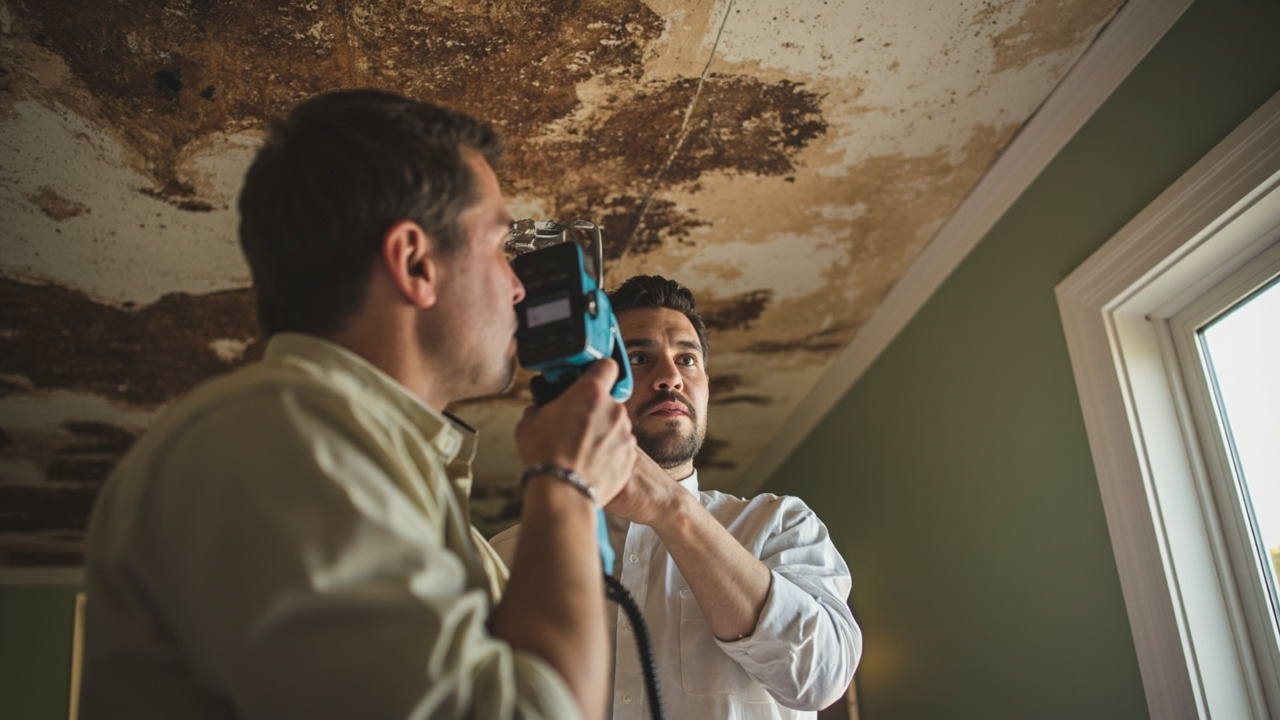
Dealing with Ceiling Water Damage Repair in Mid-City New OrleansA damp spot on your ceiling…
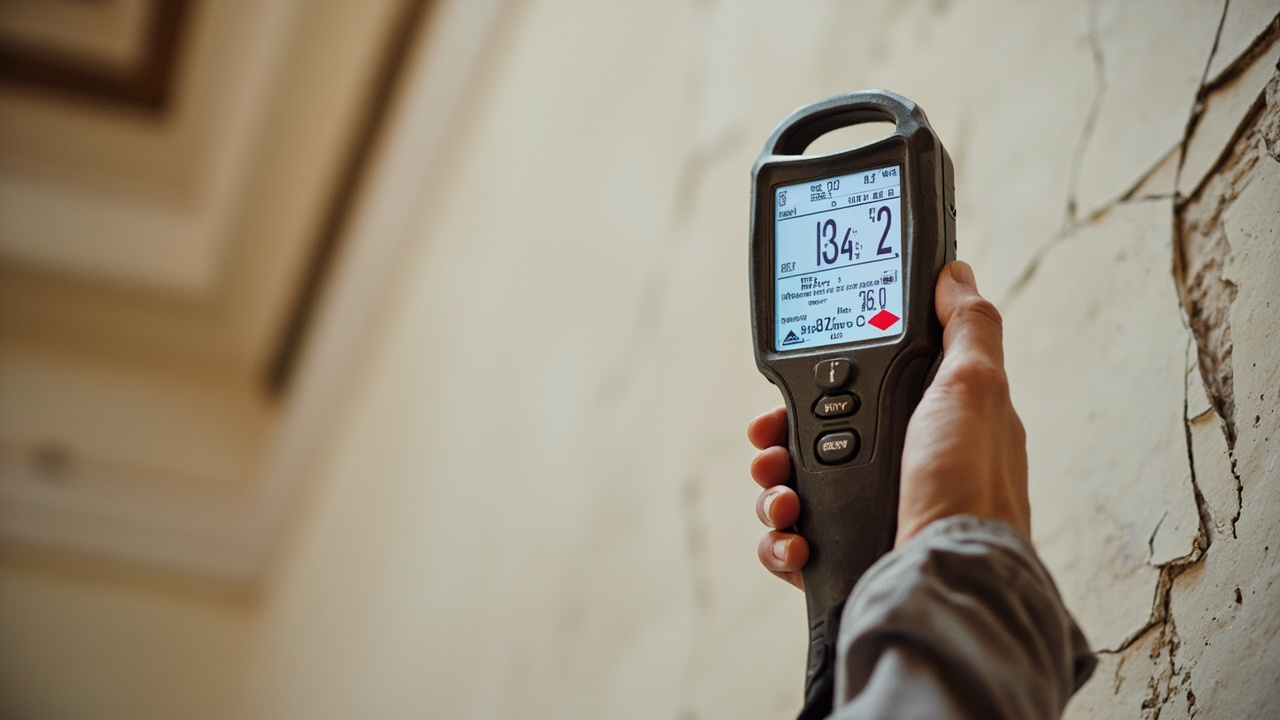
Living in a historic home in the Esplanade Ridge neighborhood offers a unique charm that…
Every hour increases damage and restoration costs. Our crews respond within 60 minutes throughout Metairie with the equipment and expertise to stop water damage fast. Call Grand Water Damage Restoration New Orleans now at (504) 355-2332 for immediate help.