



menu

Carpet Water Extraction in New Orleans – Fast Response for Flooded Carpets Before Mold Takes Hold

Grand Water Damage Restoration New Orleans delivers emergency carpet water removal within hours of your call, using truck-mounted extractors and moisture mapping to stop secondary damage in your home or business.

Slider Image 1
Slider Image 2
Slider Image 3
Slider Image 4
Slider Image 5
Slider Image 7
Slider Image 8
Slider Image 9
Slider Image 10
Slider Image 11

Why Saturated Carpets Are a Ticking Clock in New Orleans

When water floods your carpet in New Orleans, you have less than 48 hours before mold spores colonize the padding and subfloor. The city's 75% average humidity accelerates microbial growth faster than most climates. What starts as a burst supply line or storm surge quickly becomes a biological hazard if you delay wet carpet extraction.

New Orleans sits below sea level in many neighborhoods. When heavy rain overwhelms the pumping system or the Mississippi swells, water intrusion is common in Lakeview, Gentilly, and the Lower Ninth Ward. Your carpet absorbs gallons per square foot. Padding acts like a sponge. The wood subfloor swells and warps. If you live in a shotgun double or a raised foundation home, the crawl space traps humidity and feeds mold colonies under your floors.

Waiting for the carpet to air dry is a mistake. You need industrial-grade flooded carpet extraction equipment to pull water from the fibers and the underlayment. Residential wet vacs remove surface moisture but leave the pad saturated. Professional carpet water removal uses truck-mounted extractors that generate 400+ CFM suction and heated airflow to extract water at the source. Without this level of intervention, you face buckled hardwood, delaminated subfloor, and Category 2 or 3 contamination if the water source was gray water or sewage backup.

The longer saturated carpet sits, the more expensive the repair. After 72 hours, you often need full pad replacement and antimicrobial treatment. Grand Water Damage Restoration New Orleans responds to emergency carpet water removal calls 24/7 because we understand the urgency in this climate.

Why Saturated Carpets Are a Ticking Clock in New Orleans
How Professional Carpet Water Extraction Stops Damage Progression

How Professional Carpet Water Extraction Stops Damage Progression

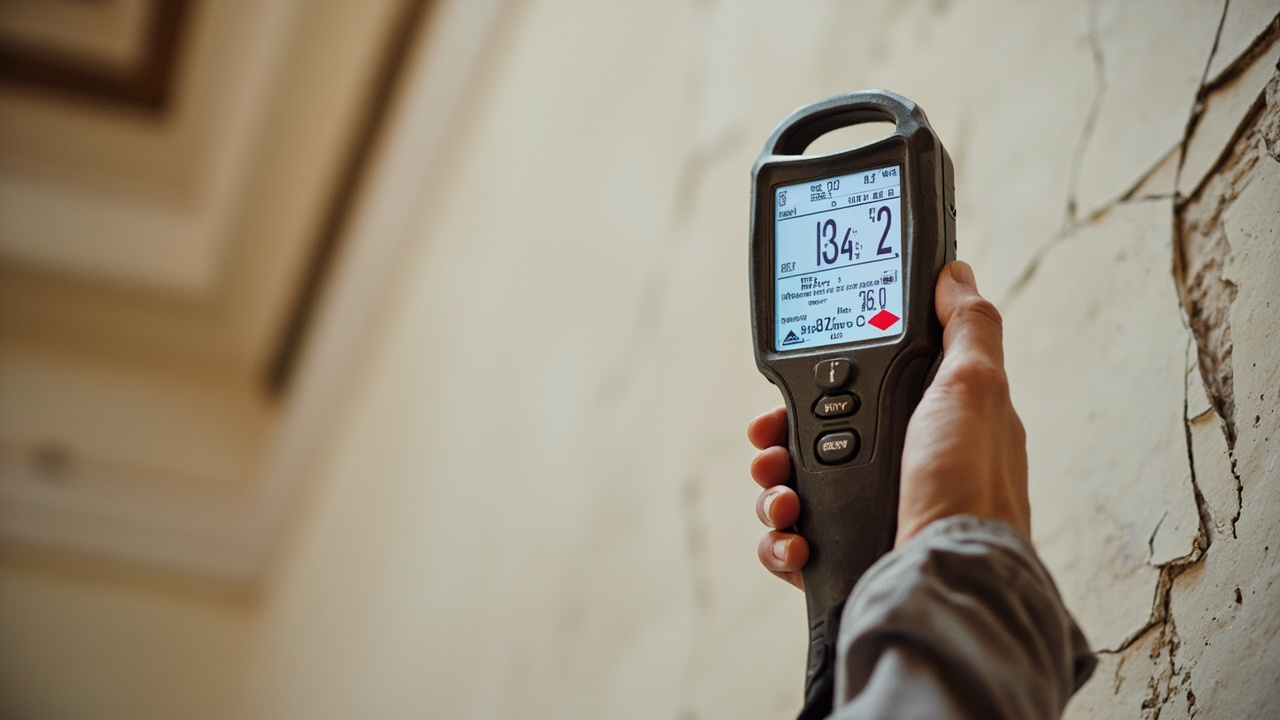
Water damage carpet extraction is a multi-phase process. You cannot just run a shop vac and hope for the best. Our technicians arrive with moisture meters, thermal imaging cameras, and truck-mounted extraction units. We map the affected area to identify hidden saturation in walls, baseboards, and subfloor cavities.

Step one is source control. If the water is still flowing, we isolate the broken pipe or seal the entry point. Step two is classification. We test the water to determine if it is clean water (Category 1), gray water (Category 2), or black water (Category 3). This dictates the extraction protocol and whether the carpet is salvageable.

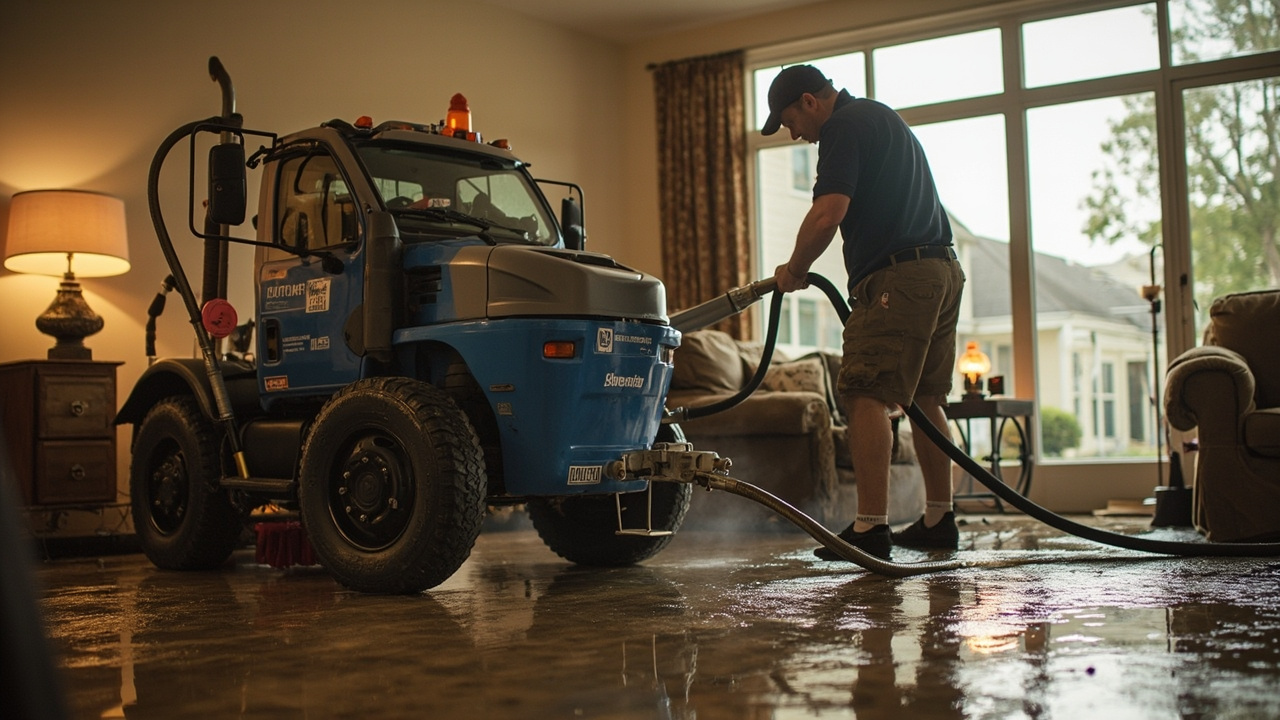
For wet carpet extraction, we use wand tools that penetrate the carpet pile and apply direct suction to the backing and pad. The truck-mounted unit generates negative pressure that pulls water from deep within the fibers. We make multiple passes over each section, extracting until the moisture meter reads below 15% moisture content. If the pad is soaked beyond recovery, we pull it and extract water directly from the subfloor.

After extraction, we deploy air movers and commercial dehumidifiers to create a drying environment. Air movers create velocity across the carpet surface, evaporating residual moisture. Dehumidifiers pull water vapor from the air, preventing it from reabsorbing into materials. We monitor drying with daily moisture readings until all materials return to a normal moisture state.

Grand Water Damage Restoration New Orleans uses IICRC-certified techniques for flooded carpet extraction. We do not guess at moisture levels or rely on visual inspection. We document the process with photo evidence and moisture logs for insurance claims. Our goal is to restore your carpet to pre-loss condition or provide documentation for replacement if the damage exceeds salvage thresholds.

What Happens During Emergency Carpet Water Removal

Carpet Water Extraction in New Orleans – Fast Response for Flooded Carpets Before Mold Takes Hold
01

Initial Assessment and Containment

We arrive within two hours of your call and inspect the flooded area with thermal imaging and moisture detection tools. Our technicians identify the water source, shut off supply lines if needed, and determine the category of water contamination. We document the extent of saturation in the carpet, pad, baseboards, and subfloor. This assessment guides the extraction strategy and helps you understand whether the carpet can be saved or needs replacement.
02

High-Powered Water Extraction

We deploy truck-mounted extraction units with heated water and high CFM suction to remove water from the carpet and padding. Our wand tools penetrate deep into the fiber backing, pulling gallons of water per pass. We extract until moisture readings drop below 15%. If the pad is saturated beyond recovery, we remove it and extract directly from the subfloor. This phase removes 95% of the standing water and prevents the secondary damage that leads to mold growth.
03

Structural Drying and Monitoring

After extraction, we position air movers and commercial dehumidifiers to dry the remaining moisture. Air movers create airflow across the carpet surface, accelerating evaporation. Dehumidifiers pull water vapor from the air, preventing reabsorption. We return daily to measure moisture levels with pin and pinless meters. The drying process typically takes three to five days, depending on humidity and saturation depth. We do not remove equipment until all materials return to a normal moisture state.

Why New Orleans Property Owners Choose Local Water Damage Experts

Grand Water Damage Restoration New Orleans is not a franchise dispatch service. We are a local crew that understands the unique flood risks in the Crescent City. We know which neighborhoods flood during heavy rain, how cast iron plumbing fails in older homes, and how the city's drainage system impacts residential water intrusion. This knowledge matters when you need emergency carpet water removal.

Many national franchises send subcontractors who lack familiarity with New Orleans building types. Shotgun houses, raised foundations, and slab-on-grade construction all require different extraction approaches. We have worked in every neighborhood, from the Marigny to Mid-City to Algiers Point. We understand how the elevation changes affect drainage and which homes are prone to storm surge during hurricane season.

Our technicians hold IICRC certifications in Water Damage Restoration and Applied Structural Drying. We follow ANSI/IICRC S500 standards for water damage mitigation, which means we document moisture readings, calculate drying capacity, and monitor psychrometric conditions until the structure is dry. This is not guesswork. It is science-based restoration.

We work directly with your insurance carrier to document the loss and provide detailed estimates. We know what adjusters look for in a claim file. We photograph the damage, log moisture readings, and provide itemized invoices that match industry pricing standards. If your policy covers water damage carpet extraction, we help you maximize your claim payout.

Speed matters in water damage restoration. We operate 24/7 because mold does not wait for business hours. If your carpet floods at 2 a.m., we answer the phone and dispatch a crew. The faster we extract the water, the more of your property we can save. Every hour you delay increases the cost and scope of the repair.

What You Can Expect From Our Carpet Water Extraction Service

Rapid Response Time

We answer emergency calls 24 hours a day, 7 days a week. Most crews arrive within two hours of your call, even during overnight or weekend flooding events. We understand that water damage is a race against time. The longer saturated carpet sits, the more expensive the restoration. Our dispatch system prioritizes emergency carpet water removal calls so you get help fast. We serve all New Orleans neighborhoods, from Uptown to the East, with the same rapid response commitment.

Thorough Moisture Assessment

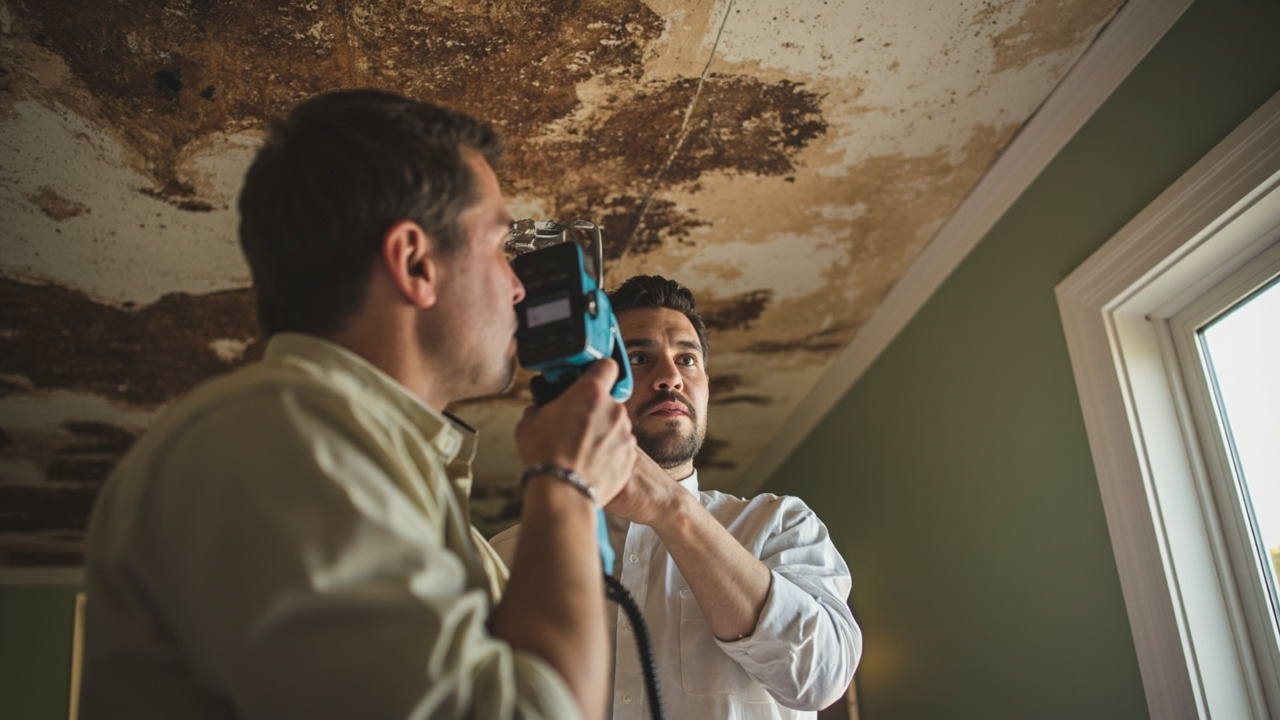
Before we start extraction, we map the entire affected area with thermal imaging cameras and moisture meters. We test the carpet, pad, baseboards, and subfloor to determine the full extent of saturation. This assessment tells us whether the carpet can be saved or if the damage requires replacement. We also classify the water source as Category 1, 2, or 3 to determine the correct sanitization protocol. You receive a written report with photos and moisture readings that documents the initial condition for your insurance claim.

Complete Drying and Restoration

Our goal is to return your carpet and subfloor to a normal moisture state. We use truck-mounted extraction, air movers, and dehumidifiers to remove water and dry the structure. We monitor the drying process with daily moisture readings and adjust equipment placement as needed. If the pad is too damaged to save, we remove it and extract water directly from the subfloor. Once drying is complete, we can clean, sanitize, and deodorize the carpet if it is salvageable. You get a dry, safe floor without the risk of mold or odor.

Post-Extraction Follow-Up

After we remove the drying equipment, we conduct a final moisture inspection to confirm that all materials are dry. We provide you with a completion certificate that documents the final moisture readings. If your carpet required antimicrobial treatment or deodorization, we explain the process and the products used. We also offer guidance on how to monitor your carpet for signs of hidden moisture or mold growth in the weeks following the extraction. If you have questions or concerns after we leave, you can call us anytime for follow-up support.

Frequently Asked Questions

You Have Questions,
We Have Answers

How to extract water from carpet? +

Start by removing furniture and soaked items from the wet area. Use a wet vacuum or extraction machine to pull standing water from the carpet fibers, working in overlapping passes. Lift the carpet to access the padding beneath, which holds most of the moisture. Remove and discard waterlogged padding. Fans and dehumidifiers speed drying by circulating air and pulling humidity from the room. In New Orleans' high humidity climate, professional extraction equipment removes moisture faster than household tools. You have 24-48 hours to dry carpet completely before mold takes hold.

How much does carpet water extraction cost? +

Carpet water extraction typically costs between $4-$8 per square foot, depending on water source, saturation level, and room accessibility. Clean water from supply lines costs less than contaminated water from sewage backups. Prices increase if padding replacement or antimicrobial treatment is required. New Orleans homes with crawl spaces may need additional moisture barriers, adding to the total. Most restoration companies offer free inspections and work directly with insurance to cover eligible damage. The size of the affected area and urgency of service impact final pricing.

Does Stanley Steemer do water extraction? +

Stanley Steemer offers water extraction as part of their carpet cleaning services in select markets. Their truck-mounted equipment can remove water from carpets, but their primary focus is routine cleaning rather than emergency water damage restoration. For significant flooding events common in New Orleans, you need a company that specializes in rapid response, mold prevention, and structural drying. Emergency water damage requires industrial dehumidifiers, air movers, and moisture monitoring equipment beyond standard carpet cleaning tools. Verify their specific capabilities before hiring for flood damage.

What draws urine out of carpet? +

Enzymatic cleaners break down uric acid crystals in carpet fibers and padding. These biological solutions digest the proteins in urine rather than just masking odor. Apply the enzyme treatment, allow it to penetrate for 10-15 minutes, then extract with hot water and a wet vacuum. Baking soda absorbs surface moisture but does not eliminate deep odor. For pet urine soaked into padding, extraction alone fails. The padding must be replaced because urine saturates the material beneath carpet fibers. Repeated treatments may be needed for old stains.

How long does it take for mold to grow under wet carpet? +

Mold spores begin colonizing wet carpet within 24-48 hours in New Orleans' humid climate. High ambient moisture accelerates growth. Carpet padding acts like a sponge, staying wet longer than visible surfaces. Black mold and other species thrive in dark, damp environments under carpets where air circulation is limited. Temperature above 70 degrees speeds reproduction. You must extract water and dry materials completely within this window to prevent contamination. Once mold establishes, carpet and padding require removal and disposal. Dehumidification alone will not stop growth after colonization starts.

Can Stanley Steemer remove water from carpet? +

Stanley Steemer can remove surface water from carpets using their extraction equipment, but their service differs from emergency water damage restoration. Their truck-mounted systems pull moisture from carpet fibers during cleaning appointments. For flooding events requiring urgent response, structural drying, and mold prevention, you need specialized restoration teams. Stanley Steemer schedules routine cleanings rather than providing 24-hour emergency service. New Orleans flooding demands immediate action, moisture monitoring, and professional-grade dehumidifiers. Verify their availability and equipment capabilities before relying on them for water damage emergencies.

Do carpet cleaners extract water? +

Professional carpet cleaners use hot water extraction to clean fibers, which removes dirt-laden water during the process. This differs from emergency water extraction after flooding. Routine cleaning equipment pulls moisture introduced during cleaning, but lacks the power needed for standing water removal. Emergency extraction requires industrial wet vacuums, submersible pumps, and high-capacity dehumidifiers. The goal is rapid moisture removal to prevent structural damage and mold growth. Standard carpet cleaning maintains appearance. Water damage restoration saves your home from contamination and decay common in New Orleans' climate.

Is it worth paying for a deep clean? +

Deep cleaning becomes necessary when carpets show embedded dirt, stains, or odors that vacuuming cannot remove. For water-damaged carpets, deep extraction prevents mold and bacteria growth, protecting your health and home value. In New Orleans, where humidity accelerates contamination, professional extraction with antimicrobial treatment stops spores before they colonize. The cost of deep cleaning is minor compared to carpet replacement or health issues from mold exposure. If water damage occurred, deep extraction is not optional. It is the only way to salvage carpets and protect underlying flooring.

How much does it cost to re-carpet a 12x12 room? +

Re-carpeting a 12x12 room costs between $700-$2,000, depending on carpet quality, padding type, and labor rates. Basic builder-grade carpets start around $2-$4 per square foot installed. Mid-range options with better stain resistance run $4-$7 per square foot. This includes removal of old carpet, new padding, and installation. New Orleans homes may need moisture barriers in rooms prone to humidity. Disposal fees for water-damaged materials add to the total. Get multiple quotes and confirm what is included before committing to replacement.

Can a shop vac pick up water from carpet? +

A shop vac removes surface water from carpet but lacks the power for thorough extraction. Standard shop vacuums pull water from the top layer of fibers, leaving moisture trapped in padding and subflooring beneath. This creates conditions for mold growth within 24-48 hours in New Orleans' climate. Professional extraction equipment applies pressure while vacuuming, forcing water up through carpet backing. For minor spills, a shop vac helps. For flooding or significant saturation, you need industrial wet vacuums and dehumidifiers to prevent structural damage and contamination.

How New Orleans Humidity and Elevation Make Carpet Water Extraction Critical

New Orleans averages 75% relative humidity year-round. When your carpet floods, that ambient moisture slows natural evaporation and accelerates mold growth. In drier climates, wet carpet might air dry in three days. In New Orleans, it stays saturated for a week or more without intervention. The city's below-sea-level elevation also means poor natural drainage. Water does not flow away from your foundation. It pools and seeps into crawl spaces, creating a humid microenvironment under your floors. Professional flooded carpet extraction removes water faster than evaporation can occur, preventing the secondary damage that makes restoration expensive.

Grand Water Damage Restoration New Orleans has worked in every New Orleans zip code. We understand the quirks of Creole cottages, raised basements, and post-Katrina construction. We know which neighborhoods flood during heavy rain and how the city's aging cast iron plumbing contributes to burst pipe emergencies. This local knowledge matters when you need emergency carpet water removal. We can predict problem areas before we arrive, bring the right equipment, and navigate the city's drainage challenges. Choosing a local crew means working with technicians who know your home's vulnerabilities and how to protect it from recurring water damage.
Water Damage Restoration Services in The New Orleans Area

While Grand serves the wider region with our expert water damage restoration services, we invite you to view our central operational location on the map. This helps you visualize our base of operations and understand our commitment to providing swift, efficient service across our service areas. Our team is strategically positioned to ensure rapid deployment when you need us most, so don't hesitate to contact us regardless of your specific location within our service radius.

Address:
Grand Water Damage Restoration New Orleans, 201 St Charles Ave, New Orleans, LA, 70170

Additional Services We Offer

Our news updates

Latest Articles & News from The Blogs

Standing water in your Gretna home requires an immediate response to prevent permanent structural issues and mold growth. Residents living…

Fast Flood Restoration Strategies for Gretna Homeowners

Standing water in your Gretna home requires an immediate response to prevent permanent structural issues and mold growth. Residents living…

Resolving Ceiling Water Damage and Leaks in Mid-City Apartments

Dealing with Ceiling Water Damage Repair in Mid-City New OrleansA damp spot on your ceiling in a Mid-City apartment requires…

Removing that stubborn musty smell from historic plaster walls in Esplanade Ridge

Living in a historic home in the Esplanade Ridge neighborhood offers a unique charm that modern builds cannot replicate. Those…

Contact Us

Flooded carpets get worse by the hour. Call Grand Water Damage Restoration New Orleans at (504) 355-2332 for emergency carpet water removal. We answer 24/7 and arrive fast to extract water, dry your floors, and document the damage for your insurance claim.