

menu

Warehouse Flood Restoration in New Orleans – Minimize Downtime with Industrial-Grade Water Extraction

Grand Water Damage Restoration New Orleans deploys commercial-capacity equipment and multi-zone containment strategies to restore flooded warehouses quickly, protecting inventory and maintaining operational schedules across the greater New Orleans metro.

Slider Image 1
Slider Image 2
Slider Image 3
Slider Image 4
Slider Image 5
Slider Image 7
Slider Image 8
Slider Image 9
Slider Image 10
Slider Image 11

Why New Orleans Warehouses Face Critical Flood Risks

New Orleans warehouses operate under constant threat. The city sits below sea level, surrounded by Lake Pontchartrain, the Mississippi River, and an intricate network of drainage canals. Heavy rainfall overwhelms aging pump systems. Storm surge from Gulf hurricanes pushes water inland. Subsidence causes concrete slabs to crack and settle unevenly, creating entry points for groundwater infiltration.

Your distribution center stores millions in inventory. Your fulfillment operation runs on tight deadlines. A single flood event can halt operations for weeks, triggering contract penalties, spoiled goods, and lost customers. Industrial water damage cleanup requires different equipment and expertise than residential work. You cannot afford a crew showing up with household wet vacs and box fans.

Warehouse water mitigation demands truck-mounted extractors, desiccant dehumidifiers, and containment barriers that isolate damaged zones while keeping unaffected areas operational. Commercial flood remediation in New Orleans also requires understanding local building codes for industrial structures, FEMA floodplain regulations, and the specific challenges posed by high water tables in areas like New Orleans East and the Industrial Canal corridor.

Every hour of downtime costs you money. Water spreads fast across polished concrete floors. It seeps into drywall, saturates insulation, and damages electrical panels. Mold begins colonizing porous materials within 24 hours in New Orleans's humid subtropical climate. You need industrial flood recovery that moves faster than the damage spreads.

Why New Orleans Warehouses Face Critical Flood Risks
How We Execute Commercial Flood Remediation

How We Execute Commercial Flood Remediation

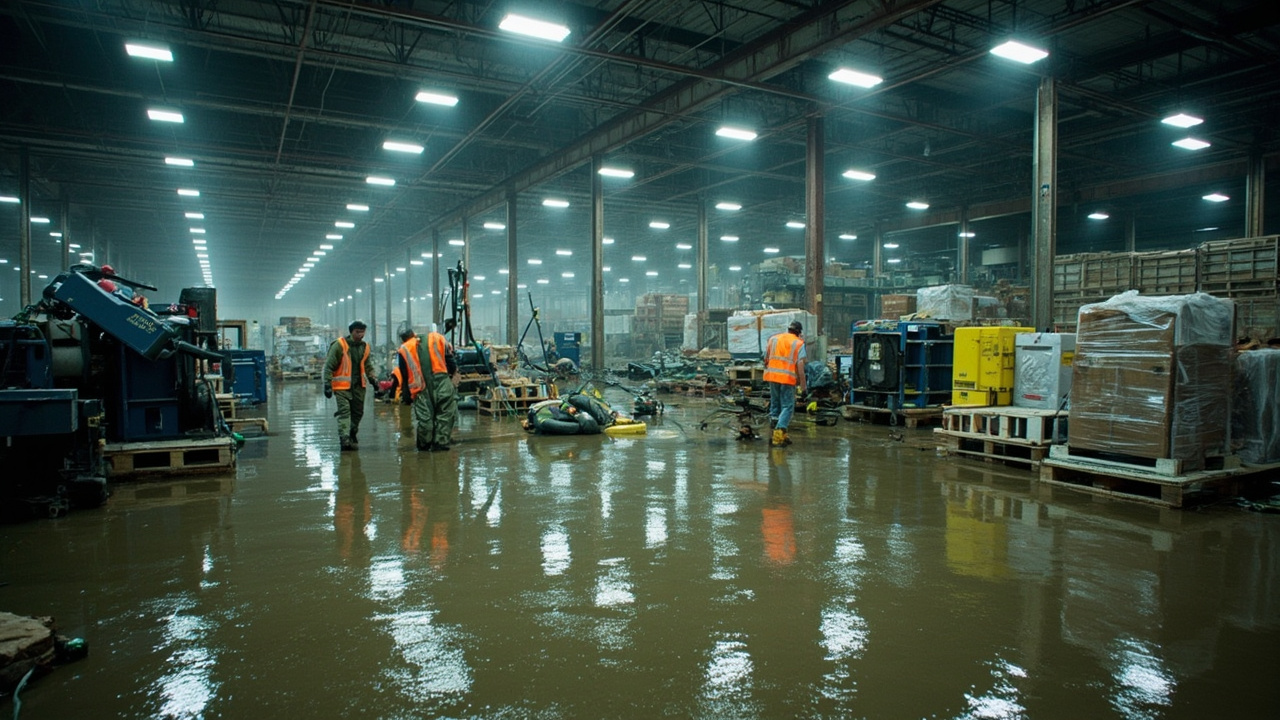
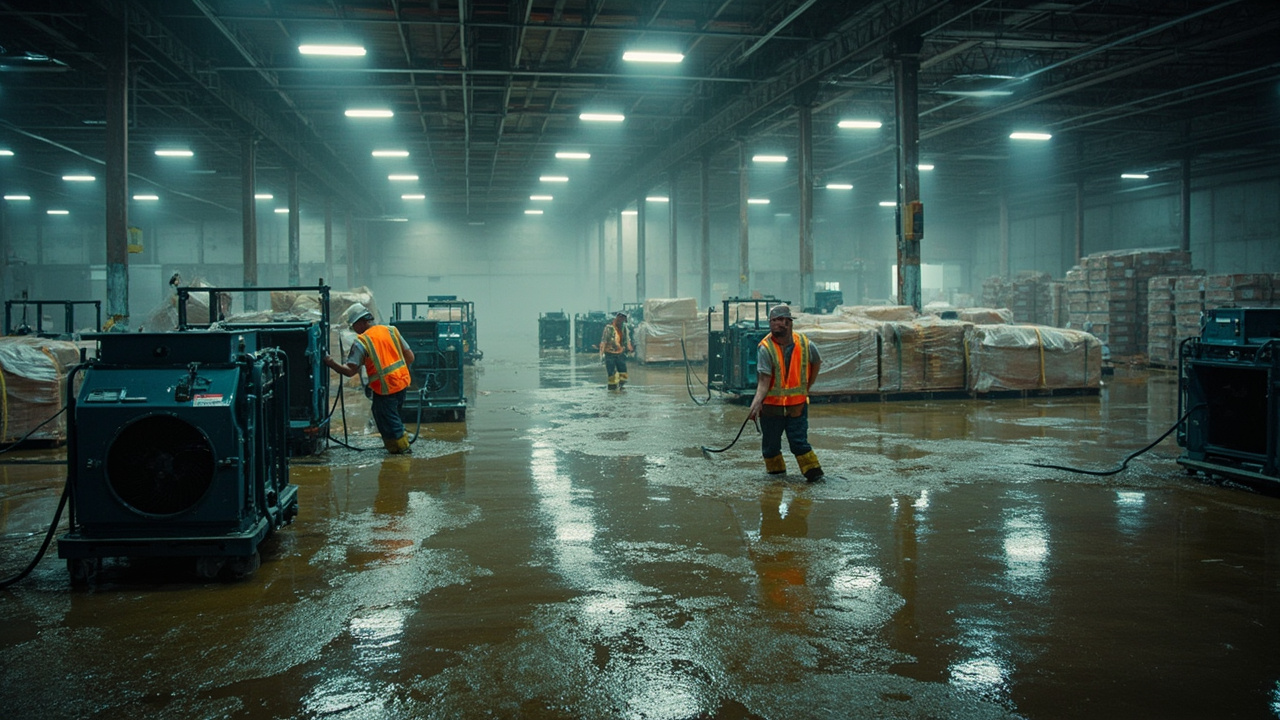
Grand Water Damage Restoration New Orleans uses a phased extraction protocol designed for large-footprint facilities. We deploy trailer-mounted submersible pumps capable of removing thousands of gallons per hour, not the portable units used in homes. Our technicians map your facility into zones, prioritizing high-value inventory areas and climate-controlled sections.

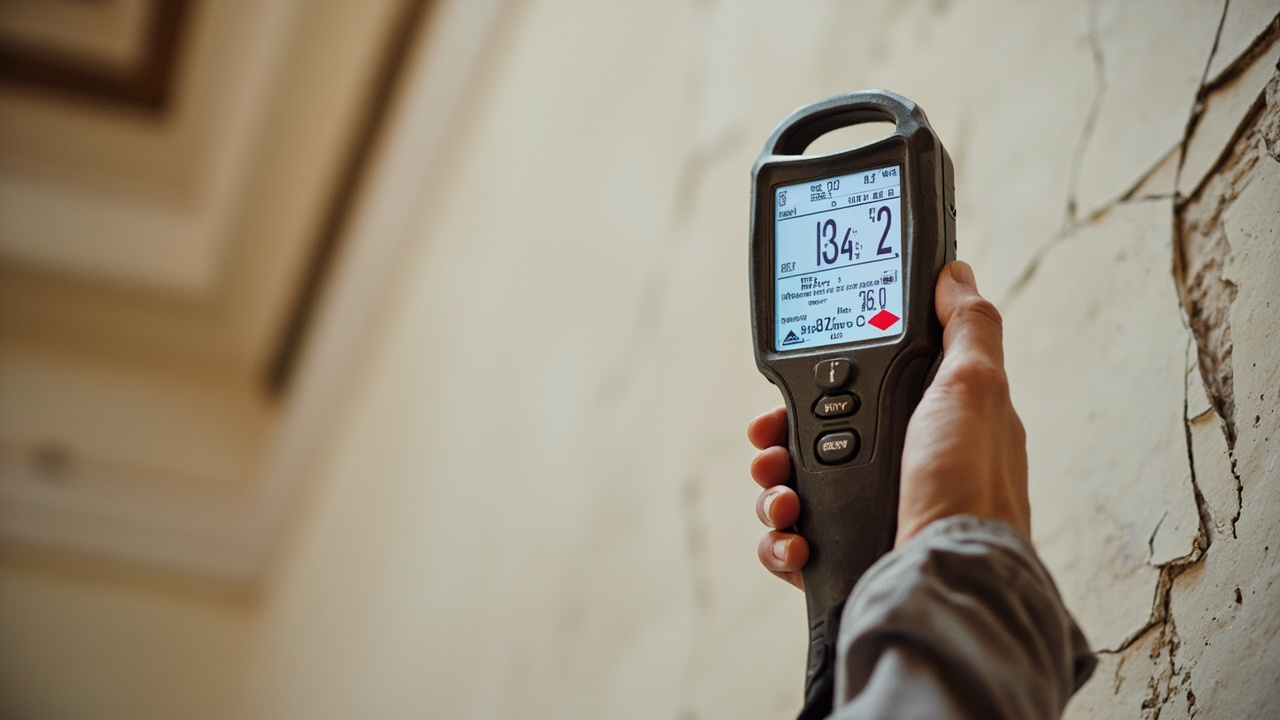
We use thermal imaging cameras to detect moisture inside walls and under flooring without destructive testing. This allows us to target drying efforts precisely, reducing demo costs and preserving structural integrity. Our industrial dehumidifiers pull moisture from the air at commercial scale, preventing secondary humidity damage in adjacent areas.

Distribution center water removal requires coordination with your operations team. We establish containment zones using polyethylene sheeting and negative air machines, creating controlled environments that prevent cross-contamination. Your unaffected aisles stay operational while we extract, dry, and sanitize flooded sections.

We document every phase with moisture readings, photo logs, and chain-of-custody reports. Insurance adjusters and risk managers need hard data, not estimates. Our technicians use calibrated hygrometers and moisture meters to verify drying progress against IICRC S500 standards, the industry benchmark for water damage restoration.

Warehouse flood restoration in New Orleans also means understanding the corrosion risks posed by brackish floodwater. Storm surge and canal overflows introduce salt, sediment, and contaminants that accelerate metal degradation. We apply anti-corrosion treatments to exposed racking, HVAC components, and electrical conduit to prevent long-term damage after water recedes.

Our Warehouse Restoration Workflow

Warehouse Flood Restoration in New Orleans – Minimize Downtime with Industrial-Grade Water Extraction
01

Emergency Response and Assessment

We dispatch a commercial response team within two hours of your call. Our crew conducts a facility walkthrough, identifies water sources, maps affected zones, and establishes equipment staging areas. We document pre-loss conditions with video and photos, then provide you with a preliminary scope and timeline. Immediate actions include power isolation, hazard mitigation, and initial water extraction to stop damage progression.
02

Extraction and Structural Drying

Our team positions truck-mounted extractors and submersible pumps to remove standing water. We set up air movers, desiccant dehumidifiers, and HEPA filtration units to create controlled drying environments. Technicians monitor moisture levels in walls, floors, and ceilings using penetrating and non-invasive meters. We adjust equipment placement and airflow patterns based on real-time readings, ensuring complete moisture removal before reconstruction begins.
03

Sanitization and Operational Handoff

After drying verification, we apply antimicrobial treatments to all affected surfaces, preventing mold growth and eliminating contamination from floodwater. We clean and deodorize floors, walls, and ventilation systems. Final inspections include thermal scans to confirm no hidden moisture pockets remain. We provide you with a certified dry report, photo documentation, and a moisture map showing your facility has returned to pre-loss conditions and is safe for operations.

Why New Orleans Warehouse Operators Choose Us

Grand Water Damage Restoration New Orleans operates with the equipment capacity and technical depth required for commercial facilities. We maintain an inventory of industrial-grade extractors, generators, and drying equipment staged locally, eliminating the delays that occur when contractors must source gear from out of state.

Our technicians understand New Orleans flood dynamics. We know the difference between a roof leak, a broken sprinkler line, and a catastrophic storm surge event. Each scenario requires a different mitigation approach. Roof leaks introduce clean water. Sprinkler malfunctions can trigger freeze damage in refrigerated sections. Storm surge brings contaminated water loaded with bacteria, chemicals, and debris that requires specialized handling protocols.

We work directly with your insurance adjuster and risk management team. Our estimates align with Xactimate pricing databases used by commercial carriers. We provide daily progress reports, maintain detailed job files, and coordinate with third-party hygienists when mold testing is required. Your claim moves faster when documentation is accurate and complete.

We also understand local permitting requirements for commercial reconstruction. Orleans Parish and Jefferson Parish enforce specific codes for industrial facilities, particularly in flood zones. Our restoration plans account for elevation requirements, mechanical system placement, and floodproofing measures that satisfy both insurance underwriters and local inspectors.

Speed matters, but so does thoroughness. A rushed job leads to mold outbreaks, structural failures, and repeat losses. We balance urgency with precision, getting you back online quickly without cutting corners that compromise your facility long-term.

What to Expect During Warehouse Restoration

Response Time and Crew Deployment

We maintain a commercial response team available around the clock. When you call, you speak directly with a project manager, not an answering service. Our crew arrives with truck-mounted equipment, generators, and containment supplies within two hours for New Orleans metro locations. We scale crew size to match your facility footprint, deploying additional technicians and equipment as needed to compress timelines. Large warehouses may require 24-hour shifts to maintain momentum and prevent secondary damage during the critical first 48 hours.

Facility Assessment and Damage Mapping

Our initial assessment includes a detailed facility walkthrough with your operations manager. We use thermal imaging and moisture detection equipment to map affected areas, identify hidden water intrusion, and classify damage severity. You receive a written scope outlining affected square footage, contamination class, equipment requirements, and estimated restoration timeline. We identify salvageable inventory versus total loss items, photograph high-value assets, and coordinate with your insurance adjuster before beginning extraction. This front-end planning prevents disputes and ensures accurate claims documentation.

Completion Standards and Final Verification

We restore your warehouse to pre-loss dry conditions, verified by calibrated moisture readings that meet IICRC S500 standards. Final deliverables include a certified dry report, thermal scan documentation, antimicrobial treatment records, and photo logs showing before, during, and after conditions. We walk your team through the restored space, explaining what work was completed and providing maintenance recommendations to prevent future losses. Your facility is returned clean, dry, and ready for inventory placement and operational resumption.

Post-Restoration Monitoring and Support

We offer follow-up inspections 30 and 90 days post-restoration to verify no latent moisture issues have emerged. Our team remains available to address questions from your insurance carrier, provide supplemental documentation, or coordinate with reconstruction contractors handling rebuild work. We maintain detailed project files for five years, ensuring you have access to documentation for future insurance renewals, facility audits, or tenant disclosures. This continuity protects your investment and provides peace of mind that the job was completed correctly.

Frequently Asked Questions

You Have Questions,
We Have Answers

How do restoration companies get paid? +

Restoration companies get paid through direct billing to your commercial insurance carrier or direct payment from your business. Most companies file claims on your behalf, provide detailed documentation, and wait for insurer approval before final payment. Some require a deposit or deductible upfront. In New Orleans, where flood and hurricane claims are common, experienced restoration firms handle the entire claims process, including negotiating with adjusters. They document losses, provide mitigation invoices, and ensure compliance with policy terms. Payment timing depends on claim complexity, but most commercial claims settle within 30 to 90 days after work completion.

What's the difference between restoration and remediation? +

Restoration focuses on returning your warehouse to pre-loss condition through structural drying, repairs, and reconstruction. It addresses physical damage. Remediation targets contaminants like mold, sewage, or hazardous materials, removing health threats and preventing spread. In New Orleans warehouses, you often need both. A roof leak requires restoration to dry walls and replace damaged materials. If that moisture sat for 48 hours in our humid climate, mold remediation becomes necessary to remove colonies and treat affected surfaces. Restoration rebuilds. Remediation sanitizes and eliminates biological or chemical hazards before rebuilding begins.

Is water damage restoration worth it? +

Yes, for commercial properties in New Orleans, water damage restoration is worth it. Unaddressed water intrusion leads to structural decay, mold growth within 24 to 48 hours due to high humidity, and potential business interruption. A small leak can compromise load-bearing components, void insurance coverage, and create liability issues if employees or customers are exposed to mold. Professional restoration prevents these cascading failures. The cost of immediate intervention is a fraction of total building replacement, tenant relocation, or litigation expenses. Restoration protects your asset value and keeps operations running.

How much does restoration cost for water damage? +

Restoration costs for warehouse water damage in New Orleans vary widely based on water source, affected square footage, and structural impact. Category 1 clean water incidents cost less than Category 3 sewage backups. Expect costs to scale with extraction volume, drying time, demolition needs, and content handling. High humidity extends drying periods, increasing labor and equipment costs. Large warehouses with concrete floors and metal structures dry differently than wood-framed spaces. Most commercial projects require detailed estimates after inspection. Insurance typically covers sudden and accidental losses, reducing out-of-pocket expense.

Do restoration companies make good money? +

Restoration companies operate in a high-demand, high-liability industry with strong revenue potential. Successful firms secure commercial contracts, maintain rapid response capabilities, and manage insurance relationships effectively. In New Orleans, year-round flood risk and hurricane exposure create consistent demand. However, profitability depends on operational efficiency, equipment investment, trained personnel, and claims management expertise. Companies with strong reputations and established carrier relationships generate steady income. Profit margins vary based on job complexity, labor costs, and equipment utilization rates. It is a capital-intensive business requiring expertise and infrastructure.

What is the 80% rule in insurance? +

The 80% rule in insurance states that you must insure your warehouse for at least 80% of its replacement value to receive full coverage on partial losses. If you underinsure, the carrier applies a coinsurance penalty, reducing your payout proportionally. For example, if your building is worth $1 million but you only carry $600,000 in coverage (60%), you become a co-insurer for the difference. This rule affects New Orleans warehouses where property values fluctuate and replacement costs rise. Always review coverage limits annually to avoid penalties during flood or storm claims.

What are the 3 R's of recovery? +

The three Rs of recovery are Remove, Reduce, and Rebuild. Remove refers to extracting standing water and eliminating damaged materials. Reduce means lowering moisture levels through dehumidification and airflow to prevent secondary damage. Rebuild involves restoring structural components and finishes to pre-loss condition. In New Orleans warehouse flood restoration, these phases happen sequentially. Rapid water removal limits absorption into concrete and drywall. Aggressive drying reduces mold risk in our humid climate. Rebuilding restores functionality and ensures code compliance. Each phase requires documentation for insurance claims and operational continuity planning.

What are the three types of remediation? +

The three types of remediation are mold remediation, sewage remediation, and hazardous material remediation. Mold remediation removes fungal growth and treats surfaces to prevent recurrence. Sewage remediation addresses Category 3 blackwater contamination from backups or flooding, requiring disinfection and disposal of porous materials. Hazardous material remediation handles chemical spills, asbestos, or lead exposure during restoration work. New Orleans warehouses face all three risks due to aging infrastructure, flood exposure, and industrial use. Each type requires specialized equipment, containment protocols, and disposal methods. Proper remediation protects worker safety and limits liability.

What's the average mold remediation cost? +

Mold remediation costs depend on colonization extent, affected materials, and containment requirements. Small areas under 100 square feet may cost less, while large warehouse infestations covering walls, ceilings, and HVAC systems cost significantly more. New Orleans humidity accelerates mold growth after water events, often requiring aggressive intervention. Costs include containment setup, air filtration, material removal, antimicrobial treatment, and post-remediation testing. Porous materials like drywall and insulation require removal and replacement. Insurance may cover mold if it results from a covered peril, but policies often cap mold coverage.

Does insurance pay for water restoration? +

Insurance typically covers water restoration if damage results from a sudden and accidental event like a burst pipe, roof leak during a storm, or sprinkler malfunction. Commercial policies vary in flood coverage. Standard policies exclude rising water, requiring separate flood insurance through NFIP or private carriers. In New Orleans, where flood risk is high, verify your policy includes flood coverage for warehouses. Gradual leaks, poor maintenance, or seepage often face denial. Carriers require prompt notification and mitigation to prevent claim disputes. Work with restoration firms experienced in commercial claims documentation and adjuster negotiations.

Why New Orleans's Below-Sea-Level Geography Makes Warehouse Flood Restoration Critical

New Orleans warehouses face flood risks unknown in other markets. The city averages 62 inches of annual rainfall, and much of the industrial corridor sits below sea level, relying on pumps to remove water. When pump stations fail or become overwhelmed during heavy storms, water backs up through drainage systems and inundates low-lying facilities. The Industrial Canal, Inner Harbor Navigation Canal, and surrounding levees create flood exposure for distribution centers in New Orleans East, Algiers, and the Lower Ninth Ward. Warehouse water mitigation must account for both surface flooding and subsurface infiltration caused by high water tables that saturate concrete slabs from below.

Choosing a local contractor for warehouse flood restoration means working with professionals who understand New Orleans building codes, FEMA floodplain regulations, and the unique subsidence patterns affecting concrete foundations across the metro. Grand Water Damage Restoration New Orleans maintains relationships with local engineers, industrial hygienists, and permitting officials who expedite approvals and ensure compliance. Our technicians recognize the difference between clean water intrusion and contaminated Category 3 floodwater common after storm events, applying appropriate remediation protocols that protect your workers and satisfy OSHA requirements for commercial facilities.
Water Damage Restoration Services in The New Orleans Area

While Grand serves the wider region with our expert water damage restoration services, we invite you to view our central operational location on the map. This helps you visualize our base of operations and understand our commitment to providing swift, efficient service across our service areas. Our team is strategically positioned to ensure rapid deployment when you need us most, so don't hesitate to contact us regardless of your specific location within our service radius.

Address:
Grand Water Damage Restoration New Orleans, 201 St Charles Ave, New Orleans, LA, 70170

Additional Services We Offer

Our news updates

Latest Articles & News from The Blogs

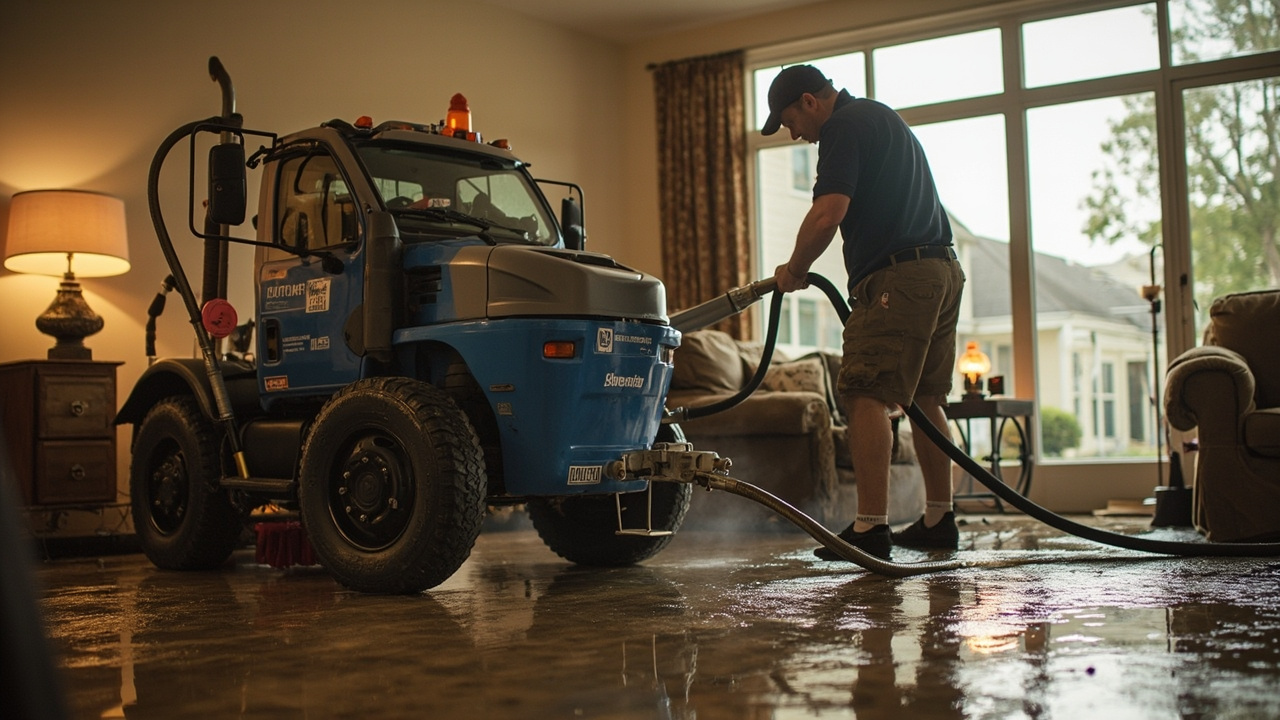
Standing water in your Gretna home requires an immediate response to prevent permanent structural issues and mold growth. Residents living…

Fast Flood Restoration Strategies for Gretna Homeowners

Standing water in your Gretna home requires an immediate response to prevent permanent structural issues and mold growth. Residents living…

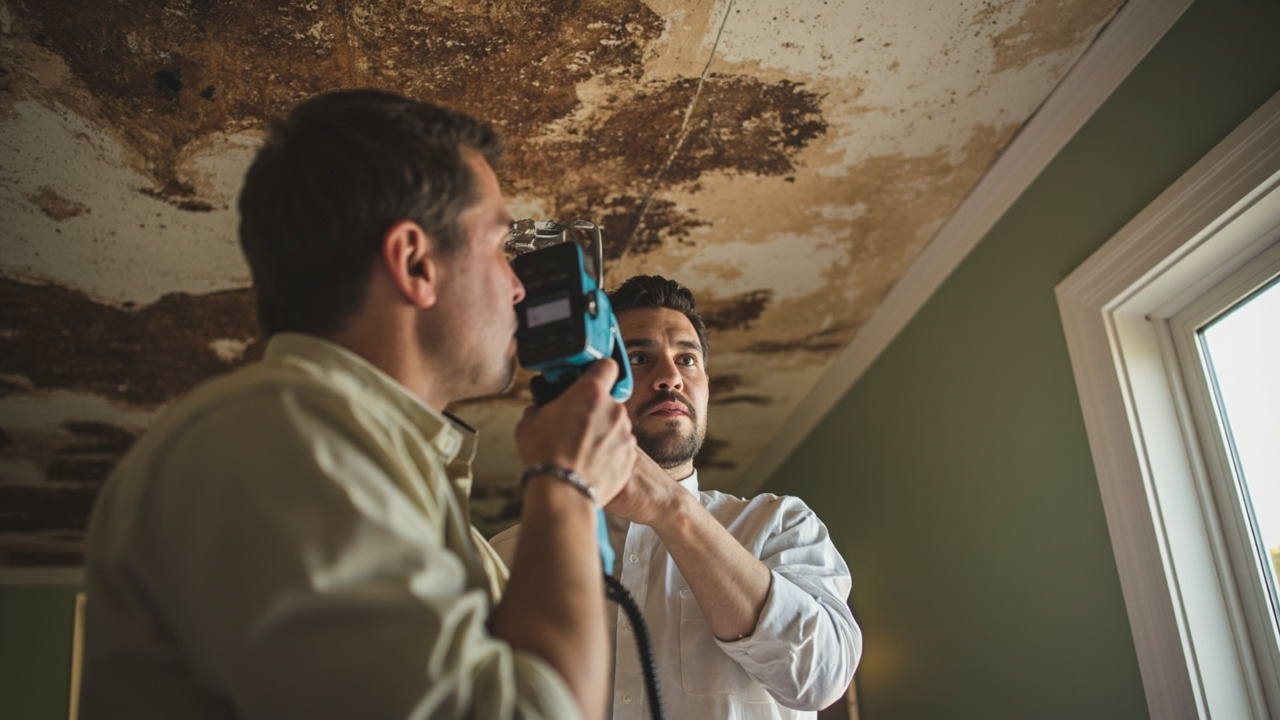
Resolving Ceiling Water Damage and Leaks in Mid-City Apartments

Dealing with Ceiling Water Damage Repair in Mid-City New OrleansA damp spot on your ceiling in a Mid-City apartment requires…

Removing that stubborn musty smell from historic plaster walls in Esplanade Ridge

Living in a historic home in the Esplanade Ridge neighborhood offers a unique charm that modern builds cannot replicate. Those…

Contact Us

Call Grand Water Damage Restoration New Orleans now at (504) 355-2332. Our commercial response team is standing by with industrial-grade equipment and the expertise to restore your facility quickly. Every hour counts when floodwater threatens your inventory and operations.