



menu

Cupping or Buckling Wood Floors in New Orleans | Expert Diagnosis and Permanent Moisture Solutions

Grand Water Damage Restoration New Orleans identifies the hidden moisture sources causing your warped hardwood flooring and implements structural drying protocols to prevent recurring floor damage.

Slider Image 1
Slider Image 2
Slider Image 3
Slider Image 4
Slider Image 5
Slider Image 7
Slider Image 8
Slider Image 9
Slider Image 10
Slider Image 11

Why New Orleans Wood Floors Cup and Buckle After Water Events

Your hardwood floor looked perfect last week. Today, you see swollen wood planks pushing up at the edges or lifting floorboards creating trip hazards across your living room. This is not normal wear. You are seeing the direct result of water penetration into your subfloor system.

New Orleans sits below sea level on saturated soil. When heavy rain overwhelms drainage systems or plumbing fails inside your home, water migrates under flooring where you cannot see it. The moisture content in your wood jumps from a healthy 6-8% to 15% or higher within hours. The wood cells expand. Cupping happens when floorboard edges absorb moisture faster than the center, creating a concave dish shape. Buckling happens when entire planks push upward because they have nowhere else to expand, creating peaking hardwood joints and raised wood floor edges.

The humidity in New Orleans compounds this problem. Even after you mop up surface water, moisture trapped in your subfloor continues feeding into your hardwood from below. Your floor may look dry on top while warped hardwood flooring develops underneath. You cannot fix this with a fan. The moisture is trapped between your vapor barrier and your subfloor, and it will continue deforming your planks until you remove it with professional extraction and structural drying equipment.

Every day you wait, the warping becomes permanent. Wood has memory. Once the cell structure distorts beyond a certain threshold, sanding will not fix it. You will need replacement planks or a full floor refinish.

Why New Orleans Wood Floors Cup and Buckle After Water Events
How We Stop Floor Warping and Restore Structural Stability

How We Stop Floor Warping and Restore Structural Stability

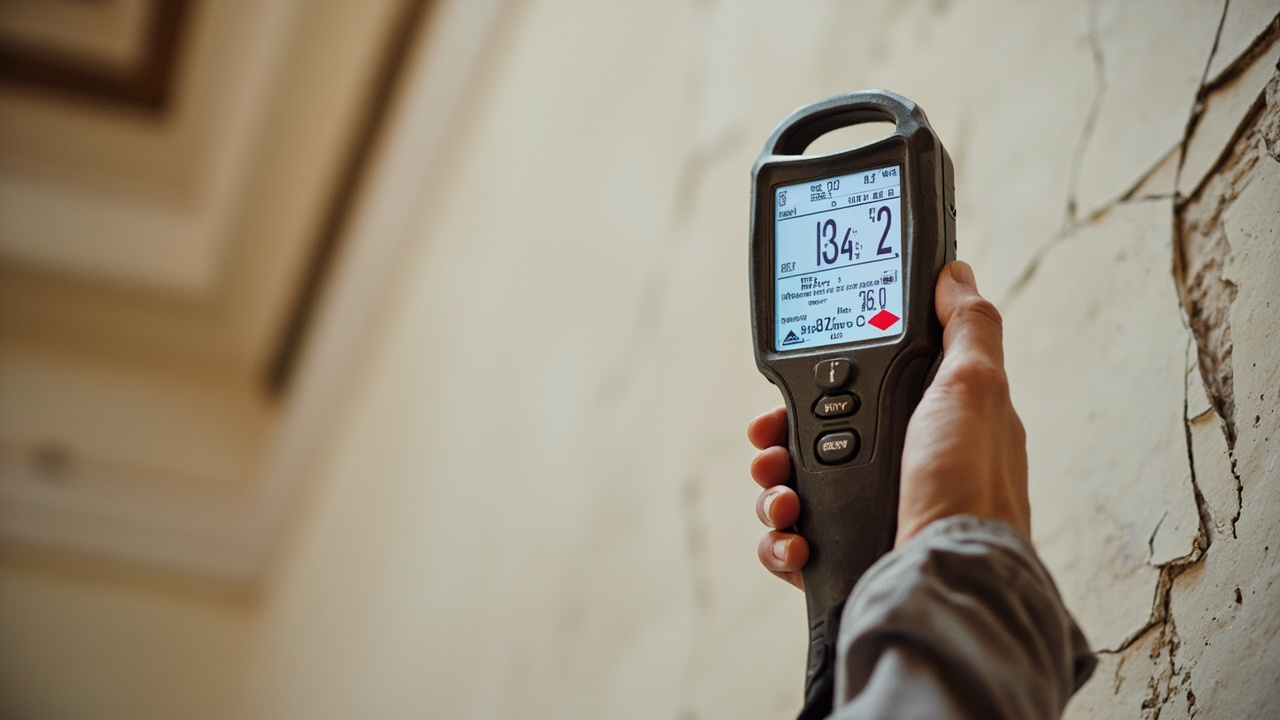
We do not guess about moisture levels. We use pin-type and pinless moisture meters to take readings at multiple depths in your flooring system. Surface readings mean nothing if your subfloor is saturated. We measure the floor surface, the subfloor beneath, and the surrounding wall cavities to map the full extent of moisture intrusion.

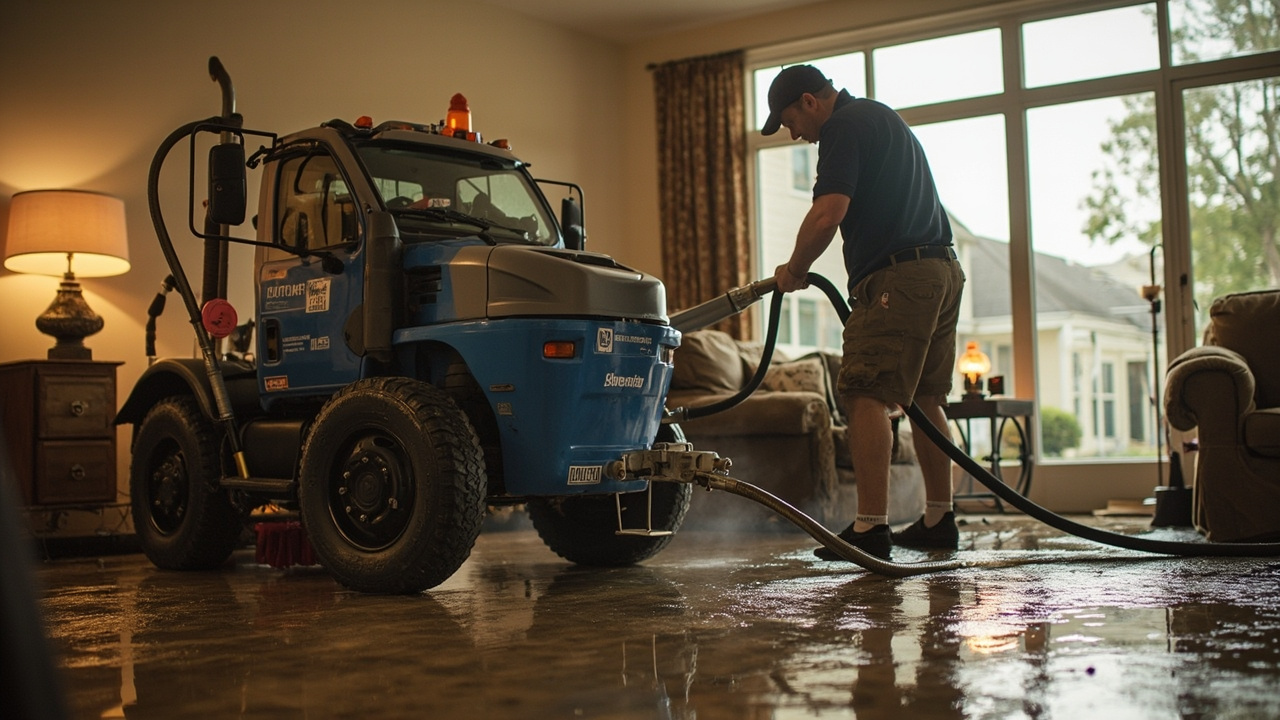
Once we establish the moisture profile, we begin extraction. If water is pooled beneath your flooring, we use truck-mounted extraction units to pull it out before it migrates further. For vapor trapped between layers, we deploy low-grain refrigerant dehumidifiers that pull moisture from the air faster than it can re-absorb into your wood. We pair these with air movers positioned to create laminar airflow across your floor surface, accelerating evaporation from the wood cells themselves.

Temperature control matters. We monitor your indoor temperature and adjust drying equipment to maintain optimal evaporation rates without overheating your hardwood. Too much heat causes additional warping. Too little heat slows drying and allows mold colonization.

We track moisture readings twice daily. Your floor is not dry when it looks dry. It is dry when moisture content drops back to 6-8% and stabilizes for 48 hours. We document every reading for your insurance claim and for our quality control. Once equilibrium is reached, we assess the planks. Minor cupping often self-corrects as the wood returns to normal moisture content. Severe buckling or peaking requires plank replacement. We tell you exactly what is salvageable and what is not.

What Happens When You Call Us for Warped Floors

Cupping or Buckling Wood Floors in New Orleans | Expert Diagnosis and Permanent Moisture Solutions
01

Moisture Mapping

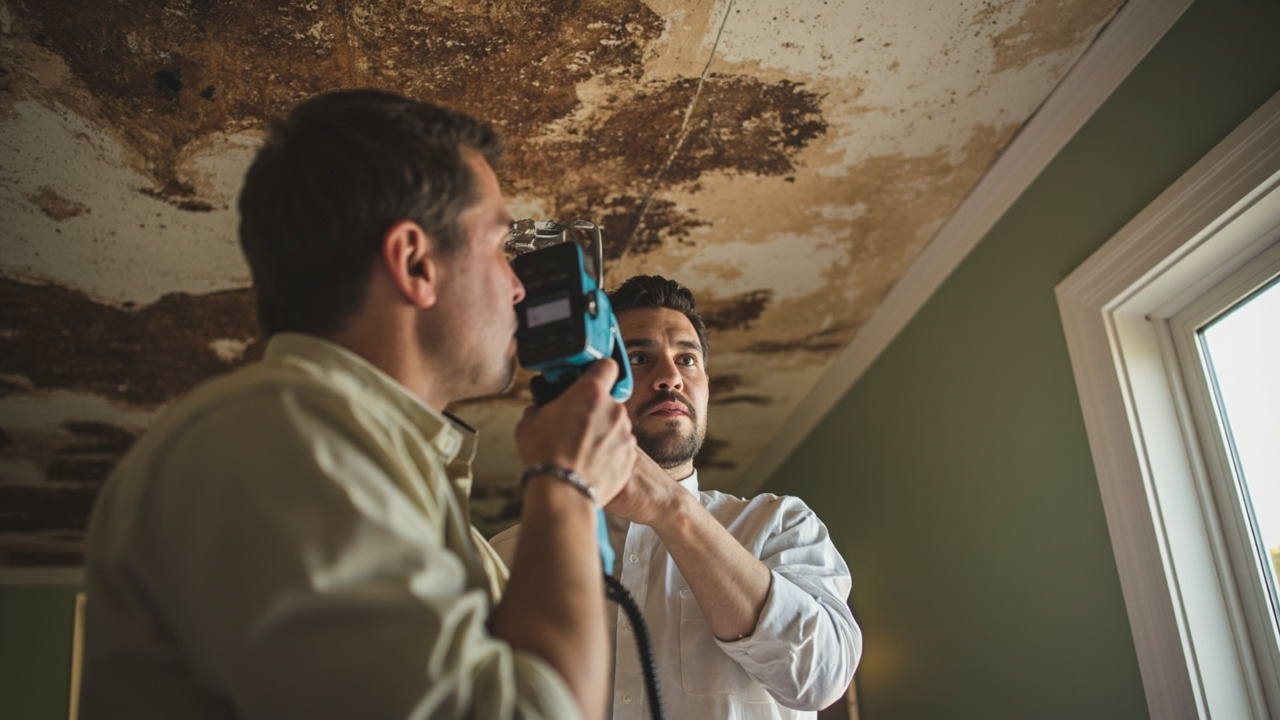
We arrive with calibrated moisture detection equipment and scan your entire floor system. We take readings at the surface, subfloor, and wall base to identify hidden saturation. You see exactly where the moisture is and how deep it goes. We photograph swollen wood planks and document baseline moisture levels for insurance purposes. This data drives the entire restoration strategy.
02

Structural Drying

We position commercial dehumidifiers and air movers to create controlled evaporation throughout your flooring system. Equipment runs continuously, and we adjust airflow patterns to target lifting floorboards and areas with elevated readings. We monitor indoor humidity and temperature to maintain optimal drying conditions. You receive daily updates on moisture reduction progress. This phase typically runs three to seven days depending on saturation depth.
03

Stability Verification

We take final moisture readings and confirm your floor has returned to equilibrium. We inspect for permanent damage and identify which planks recovered and which require replacement. You receive a written report showing before and after moisture levels, photos of the affected area, and a clear recommendation on next steps. If planks need replacement, we coordinate that work. If your floor self-corrected, you are done.

Why New Orleans Homeowners Trust Our Floor Restoration Process

Grand Water Damage Restoration New Orleans operates in a city where water intrusion is not a matter of if, but when. We work in homes throughout the French Quarter, Lakeview, Gentilly, and Mid-City where older construction and high water tables create unique flooring challenges. We understand the difference between surface-nailed red oak floors common in historic shotgun homes and the floating engineered hardwood installed in newer construction near Lake Pontchartrain. Each system requires a different drying approach.

We also understand New Orleans building practices. Many homes here have pier and beam foundations with crawl spaces that flood during heavy rain. Water does not just come from above. It wicks up through your subfloor from below. If we only dry the surface, your floor will warp again in six months. We assess your entire moisture envelope, including your crawl space, to ensure we are solving the root problem, not just treating the symptom.

Our equipment is commercial grade and maintained to manufacturer specifications. We do not use consumer-grade dehumidifiers from hardware stores. We deploy industrial units designed for structural drying, and we calibrate them before every job. You are not paying for guesswork. You are paying for controlled, measurable results.

We also work directly with your insurance adjuster. We provide the documentation they need to approve your claim, including moisture logs, equipment placement photos, and industry-standard drying protocols. Many adjusters in New Orleans know us by name because we deliver consistent, defensible results that meet IICRC S500 standards for water damage restoration.

What You Should Expect During Floor Restoration

Response Time and Equipment Deployment

We dispatch a team to your property within two hours of your call. Our trucks carry moisture meters, extraction equipment, dehumidifiers, and air movers. We begin moisture mapping immediately and start drying equipment the same day. The faster we remove moisture, the better your chances of saving your existing floor. We operate 24/7 because water damage does not wait for business hours. If your floor is buckling at midnight, we are available. Response speed directly impacts salvageability, so we treat every call as urgent until we verify otherwise.

Initial Assessment and Moisture Documentation

We perform a comprehensive moisture survey using pin-type meters for depth readings and pinless meters for large surface areas. We check your subfloor, floor joists, wall cavities, and baseboards. You receive a written moisture map showing affected zones and baseline readings. We photograph all warped hardwood flooring and visible damage. This documentation is critical for insurance claims and for tracking drying progress. We explain our findings in plain language so you understand what is happening beneath your floor and why our specific equipment placement matters.

Drying Results and Floor Condition

Your floor is considered dry when moisture content stabilizes at 6-8% for 48 consecutive hours. We verify this with repeated readings before removing equipment. Minor cupping often self-corrects as wood returns to equilibrium. Severe buckling or peaking hardwood joints may require plank replacement. We provide a final report documenting moisture reduction and recommending repair or replacement based on the level of permanent deformation. You get honest guidance on what is fixable and what is not, with no upselling on unnecessary work.

Post-Restoration Monitoring and Prevention

We recommend a follow-up moisture check 30 days after equipment removal to confirm your floor remains stable. New Orleans humidity can reintroduce moisture if your HVAC system is undersized or if crawl space ventilation is inadequate. We identify these risk factors during our initial assessment and provide recommendations to prevent future warping. If your floor required plank replacement, we coordinate with qualified flooring contractors who understand moisture-related damage. We do not offer warranties on drying services because we cannot control future water events, but we do guarantee our moisture readings are accurate and our drying protocols meet industry standards.

Frequently Asked Questions

You Have Questions,
We Have Answers

What is the difference between cupping and buckling floors? +

Cupping happens when moisture infiltrates the bottom of your wood planks faster than the top surface. The edges rise higher than the center, creating a concave shape across each board. Buckling is more severe. Your entire floor lifts away from the subfloor, creating visible peaks or ridges. Cupping is usually reversible if you catch it early and dry the floor properly. Buckling often means structural damage to the subfloor or fastening system. In New Orleans, high humidity and sudden flooding from storms cause both issues. Understanding the difference helps you choose the right restoration approach.

Will cupped hardwood floors flatten out? +

Sometimes, but not always. If you remove the moisture source quickly and dry the floor properly, cupped boards can flatten over several weeks. The wood fibers need time to release moisture evenly. However, if the cupping sat too long or the boards experienced multiple wet-dry cycles, they may stay permanently warped. New Orleans humidity complicates this process. You need professional moisture meters and controlled drying to avoid secondary damage. Sanding cupped floors before they fully dry will make the problem worse. Monitor moisture levels closely and give the wood time to stabilize naturally.

What does a buckled hardwood floor look like? +

A buckled floor shows dramatic lifting. You will see boards pushing upward from the subfloor, creating raised ridges or tent-like peaks that you can trip over. The planks often separate at the seams, and you might hear hollow sounds when walking across them. Buckled sections feel unstable underfoot. The damage looks more severe than simple cupping because entire floor sections have detached. In New Orleans homes, buckling often follows severe flooding, plumbing failures, or crawl space moisture intrusion. The subfloor underneath may also show rot or mold. Buckled floors typically require full plank replacement, not just drying.

How to fix a hardwood floor that is cupping? +

First, find and eliminate the moisture source. Check for leaks, crawl space humidity, or drainage issues. Use industrial dehumidifiers and air movers to dry the floor slowly over weeks, not days. Monitor moisture content with a meter until readings stabilize. Do not sand yet. Once the wood reaches equilibrium moisture levels for New Orleans climate (typically 6-9 percent), reassess the cupping. Minor waves may disappear. Persistent cupping requires professional sanding to level the surface. Never rush this process. Sanding too early locks in the warp permanently and wastes your money.

Will buckled hardwood floors go back to normal? +

Buckled floors rarely return to normal on their own. The lifting indicates subfloor failure, broken fasteners, or severe moisture damage that compromised structural integrity. Even if you dry the area, the planks usually stay warped or loose. You will need to remove damaged boards, repair or replace the subfloor, address the moisture source, and install new flooring. In New Orleans, buckling often signals hidden water damage in crawl spaces or from storm surges. Ignoring it invites mold growth and further structural problems. Professional inspection determines whether partial or full floor replacement is necessary.

Can cupping hardwood floors be reversed? +

Yes, if you act fast. Cupping reverses when you remove moisture and allow the wood to dry evenly. Use dehumidifiers, fans, and moisture barriers to control humidity levels. Monitor the floor over several weeks. As moisture content drops and balances across the plank thickness, the boards flatten naturally. New Orleans high humidity makes this harder. You may need professional drying equipment to pull moisture from deep within the wood. Avoid sanding until moisture levels stabilize. If the cupping persists after proper drying, light sanding can restore a flat surface and salvage your investment.

How much does it cost to repair cupping wood floors? +

Repair costs depend on damage severity and square footage. Minor cupping caught early may only require professional drying, costing a few hundred dollars for equipment rental or service. Moderate cupping needing sanding and refinishing runs higher per square foot, especially in New Orleans where humidity control adds complexity. Severe cupping requiring plank replacement increases costs significantly. Insurance often covers water damage repairs if the source was sudden and accidental. Get a professional assessment with moisture readings before committing to repairs. Proper diagnosis prevents wasting money on fixes that will not last in our humid climate.

Will a dehumidifier pull water from under the floor? +

A dehumidifier reduces airborne moisture but does not pull standing water from beneath your floor. It helps dry the wood from above by lowering ambient humidity, which encourages moisture to evaporate upward through the planks. However, if water sits trapped between the subfloor and flooring, you need direct extraction methods. Fans, air movers, and sometimes subfloor access points speed the process. In New Orleans crawl spaces, you may need dedicated vapor barriers and crawl space dehumidifiers. Surface dehumidifiers help prevent secondary moisture issues but cannot replace proper water extraction and ventilation underneath.

What would cause hardwood floors to cup? +

Hardwood floors cup when moisture enters the wood unevenly, usually from below. Common causes in New Orleans include high crawl space humidity, plumbing leaks, poor drainage around your foundation, and flooding from storms. Subfloor moisture wicks upward into the wood faster than surface evaporation happens. Seasonal humidity swings also contribute. Even minor roof leaks or HVAC condensation drips create localized cupping. Lack of proper vapor barriers beneath the floor accelerates the problem. Identifying the moisture source is critical. Simply sanding cupped floors without fixing the root cause guarantees the problem will return within months.

How much does it cost to fix a buckled floor? +

Buckled floor repair costs vary widely based on damage extent. Small sections requiring a few plank replacements cost less than widespread buckling needing subfloor reconstruction. Labor, materials, matching existing flooring, and refinishing all factor into the price. New Orleans projects often include crawl space waterproofing or drainage improvements to prevent recurrence, adding to the total. Insurance may cover storm-related buckling if you file promptly. Get multiple quotes with detailed scope breakdowns. Cheap fixes that ignore moisture sources fail quickly. Invest in proper subfloor repair and moisture control to protect your long-term investment.

How New Orleans Humidity and Water Tables Accelerate Floor Warping

New Orleans averages 62% relative humidity year-round, with summer months reaching 75% or higher. This ambient moisture constantly tries to equalize with your indoor environment. If your home has poor vapor barriers, inadequate crawl space encapsulation, or undersized dehumidification, your hardwood floor absorbs moisture from the air even without a water event. Add a plumbing leak or storm flooding, and your floor goes from stable to warped in hours. The clay soil beneath the city holds water like a sponge, and many older homes lack proper moisture barriers between the ground and the subfloor. This creates a constant upward migration of water vapor that swells wood planks from below.

Grand Water Damage Restoration New Orleans has worked in every neighborhood from Algiers to the Ninth Ward. We know which areas flood first during heavy rain and which home styles are most vulnerable to subfloor saturation. We understand local building codes for moisture control and crawl space ventilation. When we assess your warped floor, we are not just looking at the immediate damage. We are evaluating your entire home envelope to identify why the moisture got there in the first place. That local expertise is the difference between a floor that stays dry and one that warps again next summer.
Water Damage Restoration Services in The New Orleans Area

While Grand serves the wider region with our expert water damage restoration services, we invite you to view our central operational location on the map. This helps you visualize our base of operations and understand our commitment to providing swift, efficient service across our service areas. Our team is strategically positioned to ensure rapid deployment when you need us most, so don't hesitate to contact us regardless of your specific location within our service radius.

Address:
Grand Water Damage Restoration New Orleans, 201 St Charles Ave, New Orleans, LA, 70170

Additional Services We Offer

Our news updates

Latest Articles & News from The Blogs

Standing water in your Gretna home requires an immediate response to prevent permanent structural issues and mold growth. Residents living…

Fast Flood Restoration Strategies for Gretna Homeowners

Standing water in your Gretna home requires an immediate response to prevent permanent structural issues and mold growth. Residents living…

Resolving Ceiling Water Damage and Leaks in Mid-City Apartments

Dealing with Ceiling Water Damage Repair in Mid-City New OrleansA damp spot on your ceiling in a Mid-City apartment requires…

Removing that stubborn musty smell from historic plaster walls in Esplanade Ridge

Living in a historic home in the Esplanade Ridge neighborhood offers a unique charm that modern builds cannot replicate. Those…

Contact Us

Every hour of delay allows moisture to penetrate deeper into your subfloor. Call Grand Water Damage Restoration New Orleans at (504) 355-2332 right now. We deploy equipment today, document everything for insurance, and give you a clear answer on what is salvageable.