



menu

Condensation on Windows & Walls in New Orleans – Expert Diagnosis Stops Hidden Moisture Damage Before Mold Takes Hold

Grand Water Damage Restoration New Orleans identifies the root cause of condensation on windows and walls, stopping moisture intrusion before it leads to toxic mold growth, structural rot, or costly repairs in your home or business.

Slider Image 1
Slider Image 2
Slider Image 3
Slider Image 4
Slider Image 5
Slider Image 7
Slider Image 8
Slider Image 9
Slider Image 10
Slider Image 11

Why Your New Orleans Home Sweats More Than Most

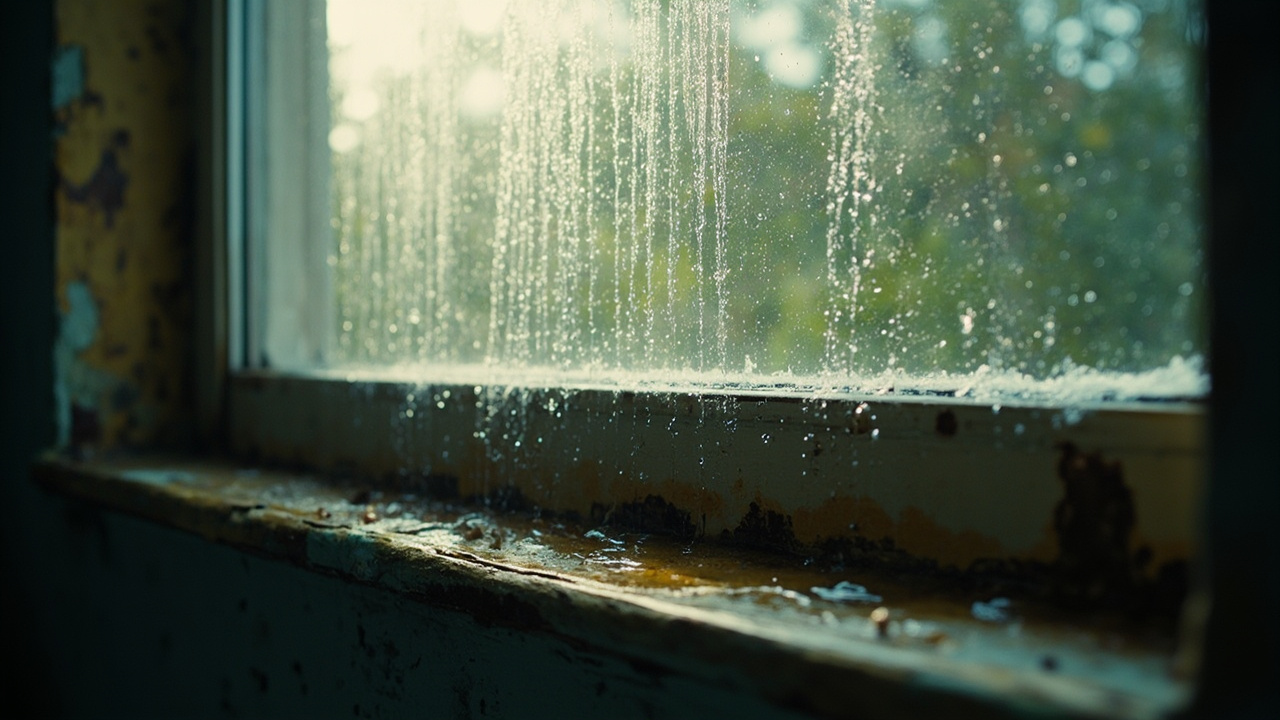
You wake up to weeping window panes. Damp drywall patches appear near your bathroom. Interior glass condensation fogs up every morning. Window sweating is not normal, and you are not imagining it.

New Orleans sits below sea level in a subtropical climate where outdoor humidity regularly hits 90 percent. The temperature differential between your air-conditioned interior and the humid exterior creates the perfect conditions for moisture buildup on walls and glass surfaces. This is not a minor annoyance. It is a warning sign.

When warm, humid air contacts a cool surface, water vapor condenses into liquid. Your windows become the first battleground. But the problem does not stop at the glass. That same moisture migrates into wall cavities, behind baseboards, and into ceiling joists. You might see damp drywall patches today. In six months, you could be looking at black mold colonization and wood rot.

The historic construction methods common in the French Quarter, Uptown, and Mid-City neighborhoods make the problem worse. Many older homes lack proper vapor barriers. Single-pane windows are standard in pre-1970s construction. Add in poor attic ventilation and you have a recipe for chronic condensation issues that silently destroy property value.

Understanding the difference between surface condensation and interstitial condensation is critical. Surface moisture you can wipe away. Interstitial condensation happens inside your walls where you cannot see it. Both require professional assessment to determine the source and scope of the moisture intrusion.

Why Your New Orleans Home Sweats More Than Most
How We Diagnose and Remediate Condensation Problems Correctly

How We Diagnose and Remediate Condensation Problems Correctly

Most homeowners call a handyman who caulks a window or installs a bathroom fan. The condensation returns in two weeks. That is because they treated the symptom, not the cause.

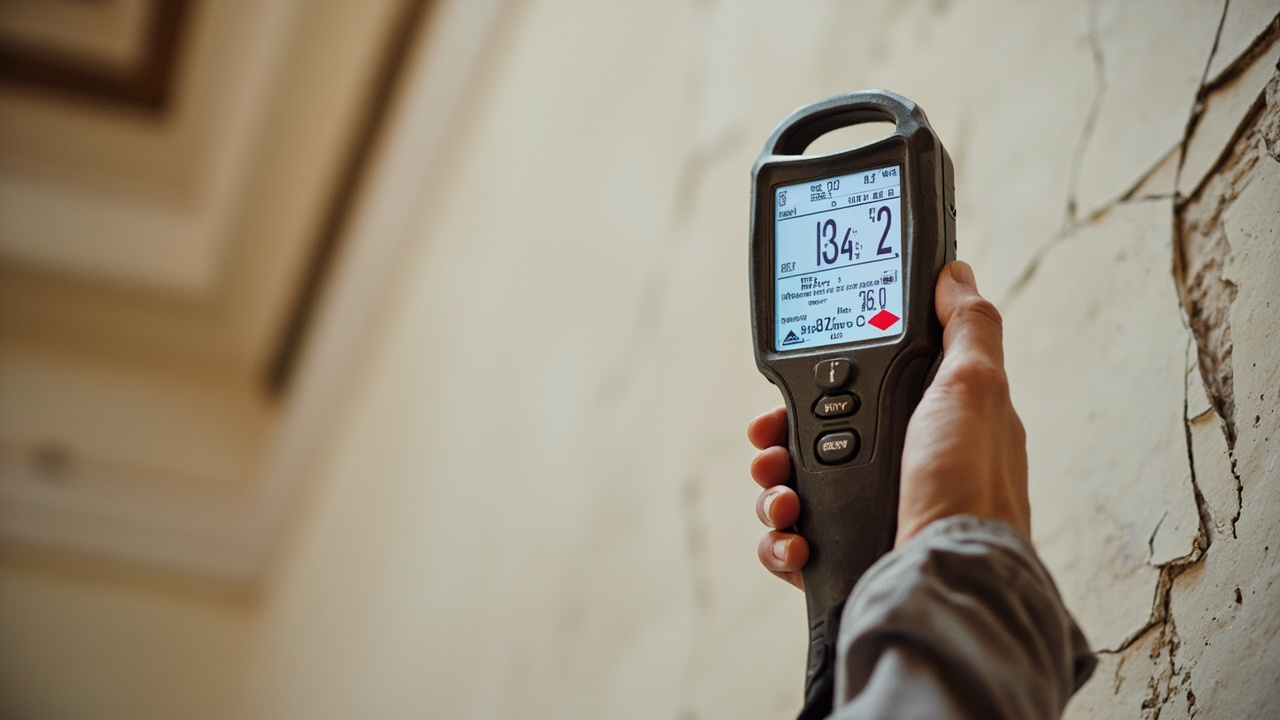
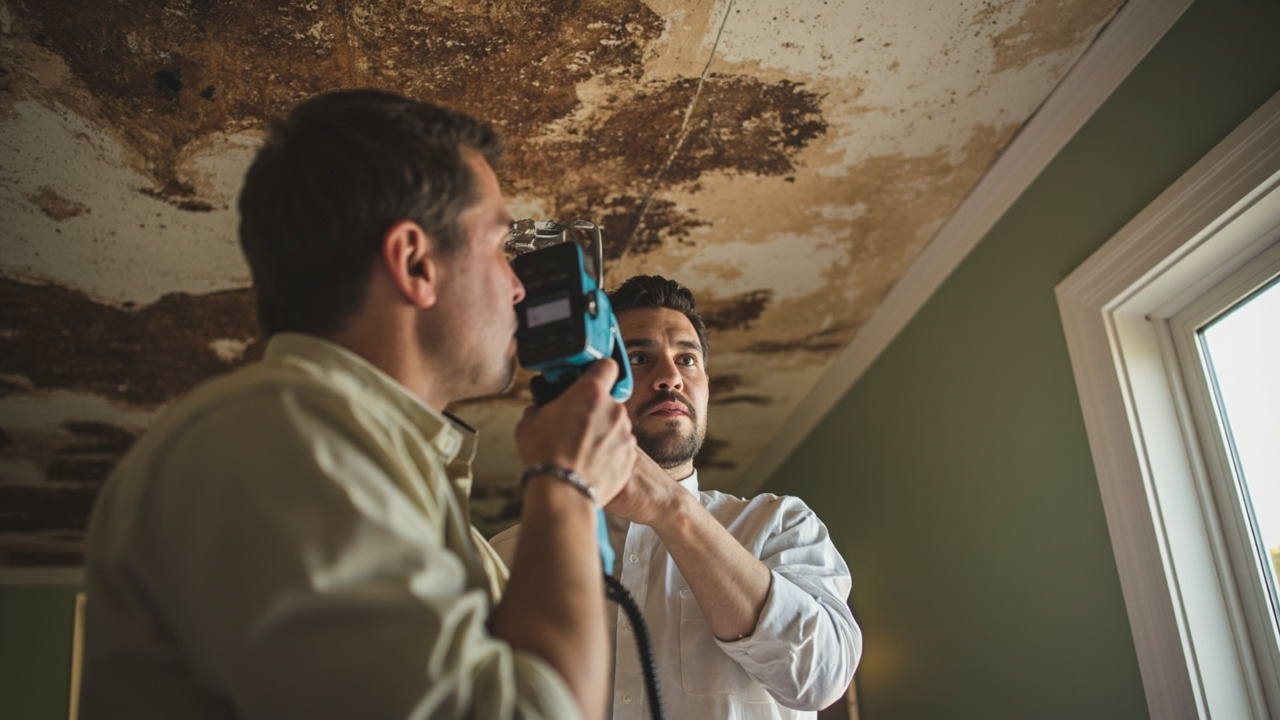
Grand Water Damage Restoration New Orleans uses thermal imaging cameras to map temperature differentials across your walls, ceilings, and windows. We measure relative humidity at multiple points in your home using calibrated hygrometers. We inspect crawl spaces, attics, and HVAC ductwork to identify vapor drive pathways. This diagnostic process reveals whether your condensation stems from inadequate insulation, air leakage, HVAC imbalance, or ground moisture migration through your foundation.

Once we identify the moisture source, we build a remediation plan that addresses the physics of the problem. If your crawl space is venting humid air into your floor joists, we seal it and install a dehumidification system. If your HVAC system is oversized and short-cycling, we recommend equipment adjustments to maintain proper humidity control. If your walls lack a vapor retarder, we install one during the repair process.

We also test for hidden water damage using moisture meters that penetrate drywall and framing. Condensation problems that have persisted for months often mask underlying mold growth or wood decay. We document moisture content levels in structural members and compare them to acceptable thresholds for your climate zone.

The goal is not just to stop the visible moisture. The goal is to eliminate the conditions that allow moisture to condense in the first place. That requires an understanding of building science, vapor pressure dynamics, and New Orleans climate patterns.

What Happens During Your Condensation Assessment

Condensation on Windows & Walls in New Orleans – Expert Diagnosis Stops Hidden Moisture Damage Before Mold Takes Hold
01

Initial Moisture Mapping

We inspect every room where you have noticed window sweating or damp drywall patches. Using thermal imaging and moisture meters, we map surface temperatures and moisture content in walls, ceilings, and floors. This reveals hidden condensation zones you cannot see with the naked eye. We document every finding with photos and moisture readings to establish a baseline for remediation.
02

Source Identification

We trace the moisture back to its origin. That means inspecting your HVAC system for duct leaks, checking your attic for ventilation deficiencies, and examining your crawl space for ground moisture intrusion. We measure indoor and outdoor humidity levels and calculate dew point temperatures to determine where condensation is most likely to occur. This step identifies the mechanical or structural failure driving the problem.
03

Remediation and Prevention Plan

You receive a detailed report explaining what caused the moisture buildup on walls and glass, what damage has already occurred, and what needs to be fixed. We outline the scope of work, from mold remediation to insulation upgrades to HVAC adjustments. If insurance coverage applies, we provide documentation to support your claim. You get a roadmap to eliminate condensation permanently, not just temporarily mask it.

Why New Orleans Homeowners Trust Our Condensation Expertise

Condensation problems in New Orleans require local knowledge. A contractor from Phoenix or Denver would recommend solutions that work in dry climates but fail spectacularly here. You cannot ventilate your way out of a condensation problem when outdoor air is 85 degrees and 90 percent relative humidity.

Grand Water Damage Restoration New Orleans understands the unique challenges of the Crescent City. We know that many homes in Lakeview and Gentilly were rebuilt post-Katrina with modern insulation but lack proper vapor barriers. We know that shotgun houses in the Bywater have minimal insulation and chronic air infiltration. We know that the clay soil beneath Mid-City shifts and cracks foundation slabs, creating vapor pathways from the ground into your living space.

We also understand the building code requirements specific to Louisiana. Any condensation remediation that involves structural repairs must comply with the Louisiana State Uniform Construction Code. If mold is present, we follow the Louisiana Mold Remediation Standards for containment, removal, and clearance testing. These are not optional guidelines. They are legal requirements that protect your health and your property value.

Our team has worked on everything from 200-year-old Creole cottages to new construction in Algiers Point. We have seen every variation of condensation failure. We know which repairs work and which are a waste of money. That experience matters when you are trying to solve a moisture problem that has stumped three other contractors.

You also get transparent communication. We explain what we find, why it happened, and what it will take to fix it. No jargon, no upselling, no surprises.

What You Can Expect From Our Condensation Services

Response Time and Availability

We schedule condensation assessments within 48 hours of your call. While condensation is rarely a true emergency, the hidden damage it causes escalates quickly. The sooner we identify the source, the less expensive the repair. We work around your schedule, including evenings and weekends. Our assessment typically takes two to four hours depending on the size of your home and the complexity of the moisture pattern. You get a verbal summary onsite and a written report within 24 hours.

Diagnostic Process and Testing

Our assessment is not a visual walk-through. We use calibrated instruments to measure moisture, temperature, and humidity. Thermal imaging reveals temperature gradients that indicate air leakage or insulation voids. Moisture meters quantify water content in building materials. Hygrometers measure indoor and outdoor relative humidity. We also inspect your HVAC system, ductwork, attic ventilation, and crawl space conditions. The goal is to gather objective data that explains why condensation is forming and where the moisture is migrating.

Quality of Repairs

If we identify mold growth or water damage, we remediate it according to Louisiana state standards. We remove contaminated materials, treat affected surfaces with antimicrobial solutions, and verify clearance with post-remediation air quality testing. If structural repairs are needed, we use moisture-resistant materials appropriate for New Orleans humidity levels. We do not install drywall until moisture levels in framing drop to acceptable levels. Rushing the repair traps moisture and guarantees mold will return. We do it right the first time.

Follow-Up and Monitoring

After remediation, we recommend a follow-up inspection 30 to 60 days later to verify that moisture levels remain stable. Condensation problems can recur if indoor humidity is not properly controlled year-round. We provide guidance on optimal thermostat settings, dehumidifier use, and ventilation strategies for New Orleans climate conditions. If you experience a recurrence, we return to reassess at no additional diagnostic fee. Our goal is to solve the problem permanently, not collect repeat service calls.

Frequently Asked Questions

You Have Questions,
We Have Answers

How to stop condensation on windows and walls? +

Reduce indoor humidity first. Run exhaust fans in bathrooms and kitchens during and after use. In New Orleans, humidity control is critical year-round. Use a dehumidifier to keep levels between 30-50%. Improve ventilation by cracking windows when outdoor humidity allows. Check weatherstripping around doors and windows for gaps. Ensure dryer vents exhaust outside. Move furniture away from exterior walls to promote airflow. If condensation persists on walls, you may have hidden moisture intrusion or inadequate insulation requiring professional assessment. Our subtropical climate makes ongoing humidity management necessary to prevent mold growth and structural damage.

Should I be worried about condensation on windows? +

Yes. Occasional morning condensation is normal in New Orleans, but persistent moisture signals a problem. Chronic condensation creates ideal conditions for mold growth, which thrives in our humid climate. Moisture on windows indicates high indoor humidity, which can rot wood frames, damage drywall, and encourage dust mites. If you see condensation between double-pane glass, the seal has failed and the window needs replacement. Condensation pooling on sills can seep into walls and cause hidden damage. Pay attention to musty odors or visible mold near windows. Address the root cause before you face costly repairs.

Should you wipe condensation off windows? +

Yes, wipe it down. Standing water on windowsills can seep into frames and walls, causing rot and mold. Use a dry cloth or squeegee each morning to remove moisture. This prevents pooling and protects your home. However, wiping is just damage control. You need to fix the underlying humidity problem or you will be wiping forever. In New Orleans, persistent condensation means your indoor humidity is too high or your windows lack proper insulation. Focus on ventilation, dehumidification, and sealing air leaks. Wiping buys you time but does not solve the problem.

Does condensation on windows mean the house is too cold? +

Not necessarily. Condensation happens when warm, humid indoor air hits a cold surface. In New Orleans winters, even mild temperature differences cause condensation because our indoor humidity stays high. Your house temperature may be fine, but poor insulation on windows creates cold spots where moisture condenses. Single-pane windows are especially vulnerable. The issue is usually the temperature differential between inside and outside, combined with high indoor humidity. Check your thermostat, but focus more on reducing humidity and improving window insulation. Cold windows are the culprit more often than cold houses in our climate.

What to put on walls to stop condensation? +

You cannot put anything directly on walls to stop condensation. The moisture forms because warm air hits a cold surface. You need to address the root cause. Improve insulation inside wall cavities to raise surface temperature. Add a vapor barrier during construction or remodeling. Use mold-resistant paint with antimicrobial additives to slow mold growth, but paint does not stop condensation. In New Orleans, focus on dehumidification and ventilation first. Move furniture away from exterior walls to allow air circulation. If condensation persists, you likely have inadequate insulation or hidden leaks requiring professional moisture testing and remediation.

What are signs of excessive condensation? +

Water pooling on windowsills every morning is the clearest sign. Look for foggy windows that stay wet for hours. Check for musty odors near walls and windows. Visible mold or mildew on walls, especially in corners or near ceilings, signals chronic moisture. Peeling paint or wallpaper near exterior walls means moisture is penetrating drywall. Warped wood trim or soft spots on windowsills indicate rot from standing water. In New Orleans, black spots on walls or a damp feeling in rooms mean you have a serious humidity problem. Address these signs immediately before structural damage and health issues develop.

Does condensation on windows mean poor insulation? +

Often, yes. Poor insulation allows exterior cold to penetrate, creating a cold window surface where warm indoor air condenses. Single-pane windows have minimal insulation value. Even double-pane windows lose effectiveness if seals fail. In New Orleans, older homes with original windows often lack proper insulation in walls and attic spaces, compounding the problem. Cold spots on walls also indicate insufficient insulation. However, condensation can still occur on well-insulated windows if indoor humidity is excessive. Check both insulation and humidity levels. Upgrading to energy-efficient windows reduces condensation but does not eliminate the need for humidity control.

How to stop condensation on windows overnight in winter? +

Lower your indoor humidity before bed. Run a dehumidifier in the evening to drop levels below 40%. Crack a window slightly if outdoor temperatures allow, improving ventilation without freezing the room. Close bedroom doors if you run a humidifier elsewhere. Use exhaust fans after evening showers. Move curtains and blinds away from windows to allow airflow across glass surfaces. In New Orleans, winter nights rarely get cold enough to freeze pipes, so ventilation is safer than in northern climates. If condensation persists, your windows may need upgrading or your home needs better insulation to reduce temperature differentials.

Will a dehumidifier stop condensation on windows? +

Yes, if high humidity is the cause. A dehumidifier removes excess moisture from indoor air, reducing the amount available to condense on cold surfaces. In New Orleans, a whole-home dehumidifier or portable units in problem areas work well. Aim for 30-50% relative humidity. Run the unit consistently, emptying or draining it regularly. Dehumidifiers work best when combined with proper ventilation and sealing air leaks. If condensation continues even with low humidity, your windows may be too cold due to poor insulation. A dehumidifier solves humidity problems but cannot fix inadequate windows or insulation gaps.

Does a bowl of salt stop condensation? +

No. This is a myth. A bowl of salt absorbs minimal moisture, far too little to impact室内 humidity or window condensation. Salt is hygroscopic, meaning it attracts water, but a small bowl cannot dehumidify a room. You need mechanical dehumidification or improved ventilation to control condensation. In New Orleans, where humidity is constant, relying on salt wastes time while mold grows and damage spreads. Use a proper dehumidifier, run exhaust fans, and improve airflow. Salt may show you that moisture exists, but it does nothing to solve the problem. Skip the folk remedies and address the real issue.

How New Orleans Humidity Makes Condensation a Year-Round Threat

New Orleans experiences average relative humidity above 75 percent for ten months of the year. Summer dew points regularly exceed 70 degrees, creating conditions where any surface cooler than room temperature will condensate. Your air conditioner cools interior surfaces to 68 to 72 degrees. The glass on your windows drops even lower. When humid outdoor air infiltrates through cracks, gaps, or poor weatherstripping, it contacts those cool surfaces and condenses instantly. This is not a seasonal issue. It happens year-round, even in winter when temperature differentials reverse and interior moisture condenses on cold exterior walls.

Solving condensation problems in New Orleans requires an understanding of Gulf Coast building science. National construction standards do not account for our climate zone. A contractor trained in Memphis or Houston will miss critical details about vapor drive direction, permeability requirements, and dehumidification loads. Grand Water Damage Restoration New Orleans has worked exclusively in Southeast Louisiana for years. We know the building stock, the common failure modes, and the correct solutions for this environment. That local expertise is the difference between a repair that lasts and one that fails in six months.
Water Damage Restoration Services in The New Orleans Area

While Grand serves the wider region with our expert water damage restoration services, we invite you to view our central operational location on the map. This helps you visualize our base of operations and understand our commitment to providing swift, efficient service across our service areas. Our team is strategically positioned to ensure rapid deployment when you need us most, so don't hesitate to contact us regardless of your specific location within our service radius.

Address:
Grand Water Damage Restoration New Orleans, 201 St Charles Ave, New Orleans, LA, 70170

Additional Services We Offer

Our news updates

Latest Articles & News from The Blogs

Standing water in your Gretna home requires an immediate response to prevent permanent structural issues and mold growth. Residents living…

Fast Flood Restoration Strategies for Gretna Homeowners

Standing water in your Gretna home requires an immediate response to prevent permanent structural issues and mold growth. Residents living…

Resolving Ceiling Water Damage and Leaks in Mid-City Apartments

Dealing with Ceiling Water Damage Repair in Mid-City New OrleansA damp spot on your ceiling in a Mid-City apartment requires…

Removing that stubborn musty smell from historic plaster walls in Esplanade Ridge

Living in a historic home in the Esplanade Ridge neighborhood offers a unique charm that modern builds cannot replicate. Those…

Contact Us

Window sweating and damp drywall patches are early warnings. Ignoring them leads to toxic mold and structural rot. Call Grand Water Damage Restoration New Orleans at (504) 355-2332 today to schedule your condensation assessment. We identify the source, document the damage, and build a plan to eliminate moisture intrusion permanently.