



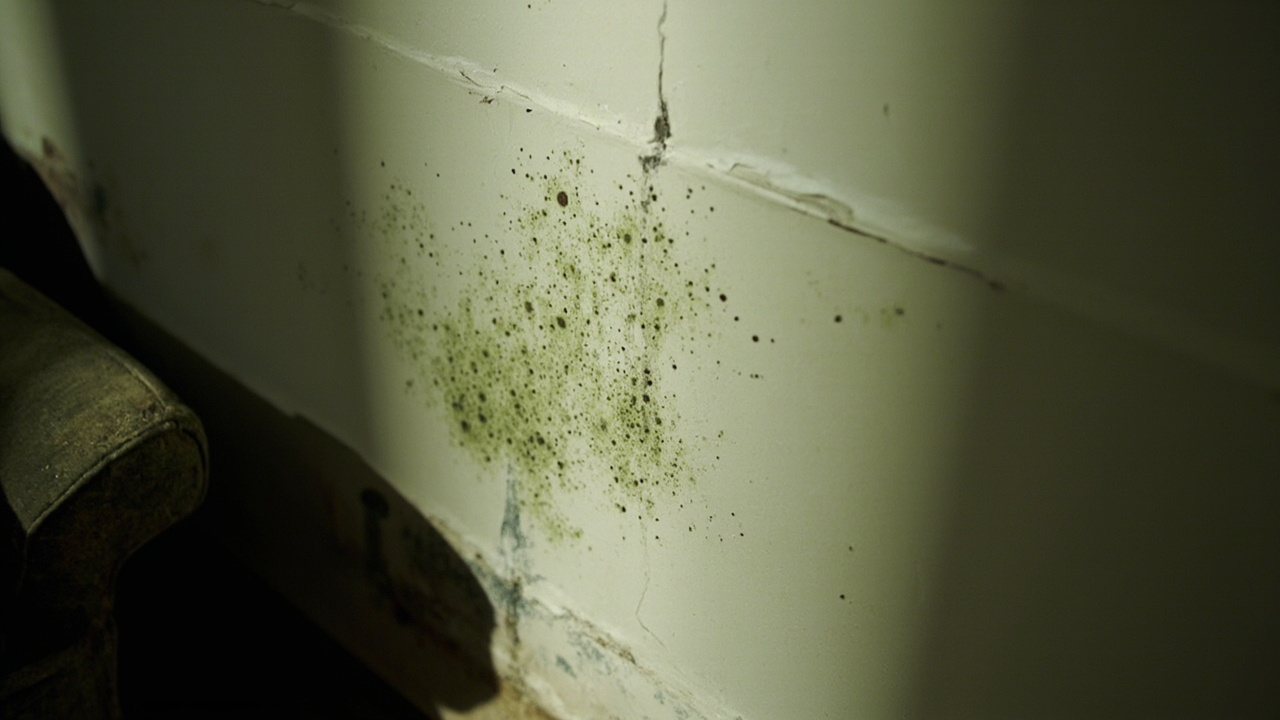
menu

Signs of Hidden Mold in New Orleans – Expert Detection and Rapid Response for Your Health and Property

Grand Water Damage Restoration New Orleans provides comprehensive mold assessment services using thermal imaging and moisture mapping to identify signs of hidden mold in walls, crawl spaces, and HVAC systems before health issues escalate.

Slider Image 1
Slider Image 2
Slider Image 3
Slider Image 4
Slider Image 5
Slider Image 7
Slider Image 8
Slider Image 9
Slider Image 10
Slider Image 11

Why Hidden Mold Thrives in New Orleans Homes and Buildings

New Orleans sits below sea level in a subtropical climate where humidity regularly exceeds 75 percent year-round. This environment creates perfect conditions for mold growth behind walls, under flooring, and inside HVAC systems. You cannot see it, but you might smell a musty odor or notice unexplained respiratory issues.

Symptoms of concealed mold include persistent allergic reactions, unexplained coughing, or that distinctive earthy smell that never goes away. These indicators of invisible mold often appear after flooding events, pipe leaks, or roof damage common to our area. Hurricane season compounds the problem. Even minor water intrusion from storm surge or wind-driven rain can saturate wall cavities and insulation.

Many historic homes in neighborhoods like the Garden District, Uptown, and the French Quarter feature plaster walls and pier-and-beam foundations. Water migrates through these older construction methods differently than modern stick-built homes. Moisture collects in hidden voids where air circulation cannot reach.

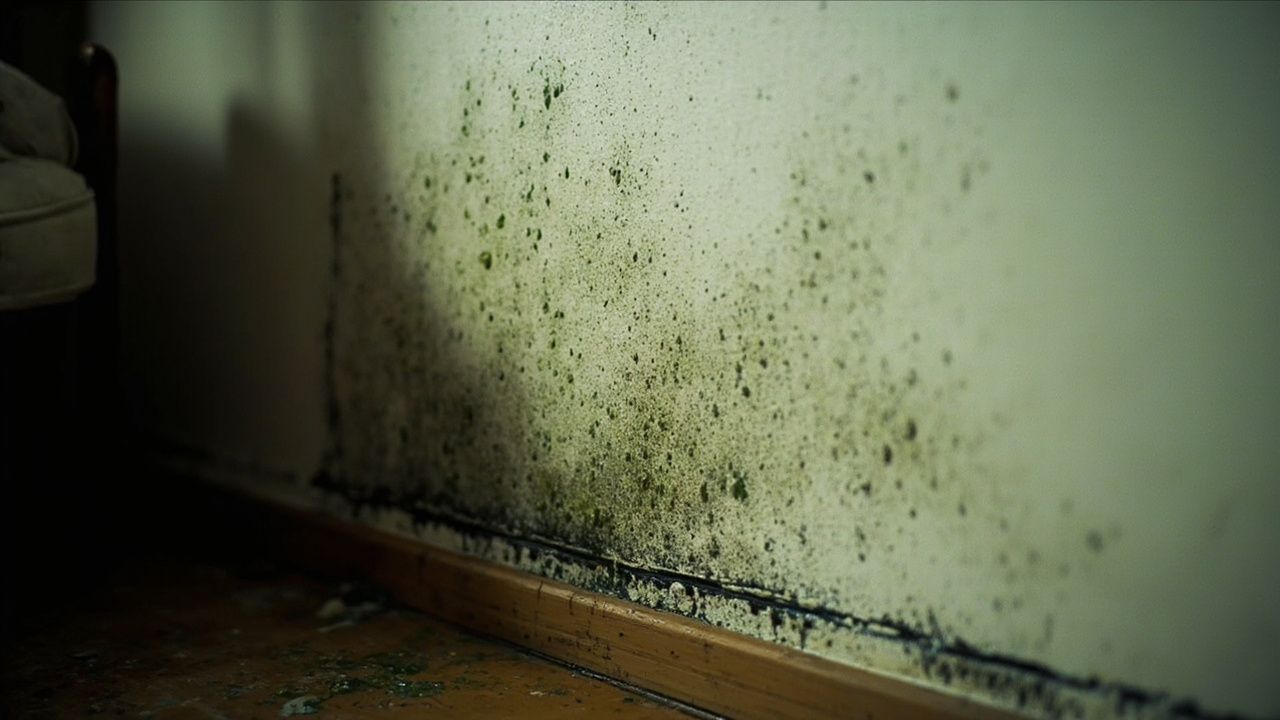
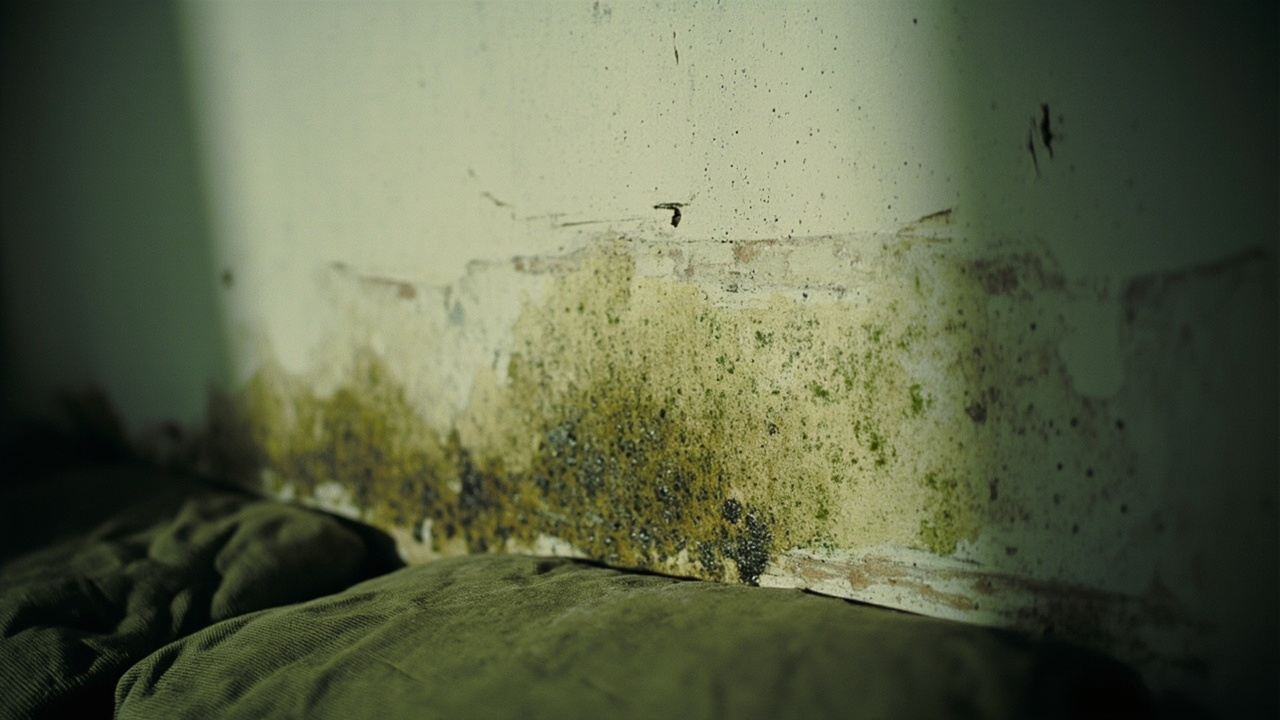
Detecting hidden mold requires more than a visual inspection. Evidence of unseen mold shows up in warped baseboards, peeling paint, or discolored patches on ceilings. Water stains that appear after storms are red flags. The clay soil common to our region expands and contracts with moisture changes, causing foundation movement that cracks slab floors and allows groundwater seepage.

Signs of mold behind walls include phantom water damage, staining that reappears after painting, or soft drywall that crumbles when pressed. You deserve to know what is growing inside your property before it becomes a health crisis or structural liability.

Why Hidden Mold Thrives in New Orleans Homes and Buildings
How We Identify and Document Hidden Mold Growth

How We Identify and Document Hidden Mold Growth

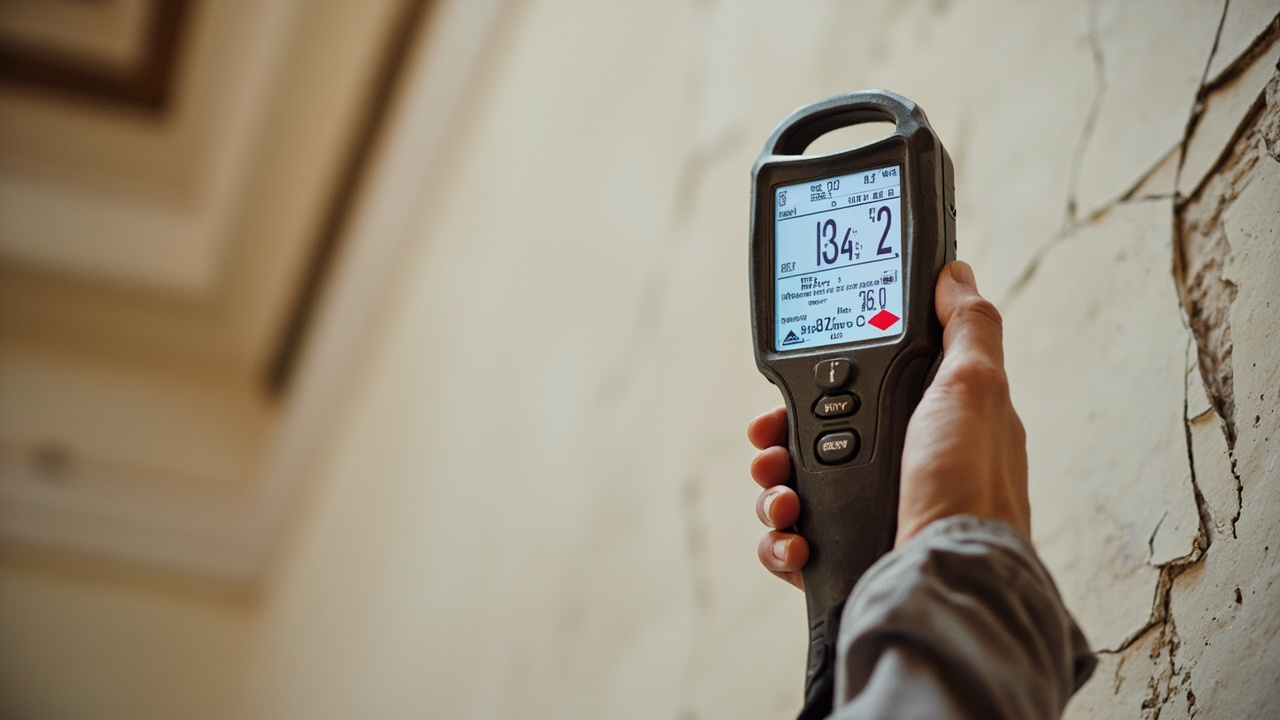
Grand Water Damage Restoration New Orleans uses a methodical approach to locate mold you cannot see. We start with thermal imaging cameras that detect temperature differentials caused by moisture inside wall cavities. Wet building materials show up as cool spots on the infrared scan. This non-invasive technology maps the extent of water intrusion without cutting into walls.

We pair thermal imaging with moisture meters that penetrate drywall and measure water content in wood framing and insulation. Readings above 17 percent indicate conditions favorable for mold colonization. We document moisture levels at multiple points to establish patterns and source locations.

Air quality testing captures airborne mold spore concentrations. We compare indoor samples against outdoor baseline levels. Elevated indoor spore counts confirm active mold growth even when you cannot see visible colonies. This data proves contamination exists and helps identify the dominant mold species present.

Borescope inspections allow us to examine inside wall cavities, above ceilings, and under flooring through small access holes. The fiber optic camera reveals hidden mold growth, water staining, and compromised insulation. We photograph and video document findings for your records and insurance claims.

Humidity mapping identifies areas where relative humidity exceeds 60 percent, the threshold where mold spores activate and colonize surfaces. We measure ambient conditions in each room and inside enclosed spaces like closets and cabinets. Poorly ventilated bathrooms and kitchens are common problem areas in New Orleans homes.

We trace plumbing lines and check for concealed leaks using acoustic leak detection equipment. Slow drips behind walls feed mold growth for months before visible damage appears. Identifying the moisture source is essential to permanent remediation.

What Happens During Your Mold Assessment

Signs of Hidden Mold in New Orleans – Expert Detection and Rapid Response for Your Health and Property
01

Initial Inspection and Interview

We meet you on-site to discuss when symptoms started, what you have observed, and any recent water events. We examine visible areas for water stains, discoloration, and odor sources. This interview establishes baseline information and directs our technical investigation. We review your home's age, construction type, and known problem areas common to New Orleans properties.
02

Technical Detection and Mapping

Our technicians deploy thermal cameras, moisture meters, and air sampling equipment throughout affected areas. We create a moisture map showing wet zones and humidity levels. Air samples go to an independent laboratory for spore analysis and species identification. Borescope cameras probe hidden cavities where we suspect active growth. We photograph all findings and record instrument readings for documentation.
03

Report and Remediation Plan

We compile findings into a written report with photos, thermal images, moisture readings, and lab results. You receive a detailed remediation plan outlining necessary steps to remove mold and correct moisture problems. We explain containment procedures, affected materials that require removal, and antimicrobial treatments needed. The report serves as documentation for insurance claims and provides a roadmap for restoring your property.

Why New Orleans Property Owners Trust Our Mold Detection Expertise

Grand Water Damage Restoration New Orleans understands the unique construction challenges in our region. We work on homes built in the 1800s with horsehair plaster walls and modern properties with spray foam insulation. Each construction type requires different assessment techniques and moisture management strategies.

Our technicians recognize how New Orleans's high water table affects crawl spaces and slab foundations. We know which neighborhoods flood during heavy rain and which areas suffer chronic drainage problems. This local knowledge speeds diagnosis and prevents overlooked moisture sources.

We understand Louisiana building codes and local permit requirements for mold remediation work. Some projects require containment barriers and negative air pressure systems. Others need coordination with structural engineers when mold damage compromises framing members. We navigate these requirements efficiently because we work in this regulatory environment daily.

Insurance claims for hidden mold require proper documentation. We provide detailed reports with photographic evidence, laboratory analysis, and moisture data that adjusters need to process claims. Our reports meet industry standards and hold up under scrutiny.

We maintain relationships with local contractors, restoration specialists, and environmental consultants. When remediation requires coordination with roofers, plumbers, or HVAC technicians, we connect you with trusted professionals who understand New Orleans construction methods.

You need someone who can distinguish between surface mold from a recent leak and systemic contamination from long-term moisture problems. We provide that level of diagnostic expertise. Our assessments identify root causes, not just visible symptoms, so remediation actually solves the problem instead of masking it temporarily.

What to Expect From Our Mold Assessment Service

Response Time and Availability

We schedule mold assessments within 24 to 48 hours of your call. Emergency situations involving health symptoms or active water intrusion receive priority response. Assessments typically take two to four hours depending on property size and complexity. We work around your schedule and can conduct inspections during evenings or weekends. Our technicians arrive with all necessary equipment to complete the assessment in one visit. You receive preliminary findings on-site and the full written report within 48 hours.

Comprehensive Testing and Analysis

Our assessment includes visual inspection, thermal imaging, moisture mapping, and air quality sampling. We test multiple locations to establish contamination patterns and identify the moisture source. Air samples go to certified laboratories for analysis. You receive spore count data and species identification. We explain what each test reveals and why it matters for your situation. Surface sampling can identify mold species on specific materials when needed. Moisture readings document wet areas and track drying progress after water damage events.

Detailed Documentation and Reporting

You receive a comprehensive report with thermal images, photographs, moisture readings, and laboratory results. The report explains findings in clear language and identifies affected areas. We provide a detailed scope of work for remediation including containment procedures, materials that require removal, and antimicrobial treatment protocols. Cost estimates break down labor, materials, and equipment needed. The documentation package supports insurance claims and provides transparency about what remediation entails. We review the report with you and answer questions about findings and recommendations.

Post-Remediation Verification Testing

After mold remediation is complete, we conduct clearance testing to verify successful removal. Post-remediation air samples confirm spore counts have returned to normal levels. We inspect all treated areas to ensure proper cleaning and antimicrobial application. Moisture readings verify that conditions no longer support mold growth. You receive a clearance report documenting that your property is safe for reoccupancy. This final verification protects your investment and provides peace of mind that the problem is actually solved, not just covered up.

Frequently Asked Questions

You Have Questions,
We Have Answers

How do you know if you have hidden mold in your house? +

Look for musty odors, especially in bathrooms, crawl spaces, or near air conditioning units. New Orleans homes often trap moisture due to high humidity, creating ideal conditions for hidden mold. Check for water stains on ceilings or walls, warping baseboards, or peeling paint. Notice allergy symptoms that improve when you leave the house. Inspect behind appliances, inside ductwork, and under sinks. Visible condensation on windows signals moisture problems. If your HVAC system smells moldy when running, mold may be growing inside. After storms or plumbing leaks, mold can develop within 24-48 hours behind walls or under flooring.

What are signs of mold sickness? +

Mold exposure triggers respiratory symptoms like persistent coughing, wheezing, and nasal congestion. You may experience headaches, fatigue, or difficulty concentrating. Skin irritation, rashes, or itchy eyes are common. Some people develop sinus infections that do not respond to typical treatments. In New Orleans, where humidity stays high year-round, chronic exposure often mimics seasonal allergies. Pay attention if symptoms worsen at home but improve elsewhere. Severe reactions include shortness of breath or chest tightness. Immunocompromised individuals, infants, and elderly residents face higher risks. If you suspect mold sickness, consult a physician and address the moisture source immediately.

Can mold cause a baby to cough? +

Yes. Mold spores irritate a baby's developing respiratory system, triggering coughing, wheezing, or labored breathing. Infants are particularly vulnerable because their immune systems are still developing. In New Orleans homes with poor ventilation or water damage, mold concentrations can quickly reach harmful levels. If your baby coughs more at night or in specific rooms, investigate those areas for hidden mold. Check cribs, nursery walls, and areas near humidifiers. Persistent coughing, especially with other symptoms like skin rashes or difficulty sleeping, warrants immediate medical attention. Remove the baby from the affected area and contact a professional to assess mold presence.

Can mold cause twitching? +

Mold exposure can cause neurological symptoms in sensitive individuals, including muscle twitching or spasms. Mycotoxins produced by certain mold species affect the nervous system, leading to tremors, tingling, or involuntary movements. This reaction is less common but documented in cases of prolonged exposure to toxic mold like Stachybotrys. If you experience twitching alongside other symptoms like headaches, memory issues, or respiratory problems in a damp environment, mold could be the trigger. New Orleans homes with chronic moisture issues create conditions for toxic mold growth. Consult a physician and arrange professional mold testing to identify the source.

Can I test for mold in the air myself? +

Home mold test kits exist, but they provide limited information. These kits collect air samples and mail them to labs for analysis. However, they cannot determine mold concentrations, identify specific species, or locate hidden sources. In New Orleans, where multiple mold types thrive due to subtropical conditions, professional assessment offers more accurate results. DIY tests may miss mold growing inside walls, ductwork, or crawl spaces. If you suspect mold, a certified inspector uses moisture meters, thermal imaging, and targeted sampling to pinpoint problems. Save money on unreliable kits and invest in proper testing if health symptoms or visible damage appear.

Can doctors check if you've been exposed to mold? +

Yes. Doctors can order blood tests or skin prick tests to detect mold allergies and immune responses. Blood work measures antibodies your body produces when exposed to specific mold species. Urine tests can identify mycotoxins in your system. However, these tests confirm exposure, not the mold's location. In New Orleans, where mold-related illnesses are common due to climate, physicians familiar with environmental health can interpret results accurately. If you have respiratory symptoms, chronic fatigue, or sinus infections, request mold exposure testing. Medical confirmation helps justify remediation costs and supports insurance claims for water damage-related mold growth.

What kills mold permanently? +

No single product kills mold permanently without addressing moisture. Professional remediation removes mold colonies using HEPA vacuums, antimicrobial treatments, and containment barriers. The key is eliminating the water source. In New Orleans, this often means fixing roof leaks, improving drainage, or upgrading ventilation. Bleach only kills surface mold temporarily and does not penetrate porous materials like drywall or wood. EPA-registered fungicides work better but require proper application. After removal, encapsulation products seal surfaces to prevent regrowth. Without controlling humidity below 60 percent and repairing leaks, mold will return regardless of treatment method.

How do I test my house for mold? +

Start with a visual inspection of moisture-prone areas like bathrooms, kitchens, basements, and attics. Look behind appliances, inside cabinets, and around windows. Use a flashlight to check dark corners and crawl spaces. In New Orleans homes, inspect areas affected by hurricanes or flooding, including beneath elevated foundations. If you smell mold but cannot see it, hire a certified mold inspector. Professionals use moisture meters to detect hidden water intrusion and thermal imaging cameras to locate temperature differences indicating mold growth. Air quality testing identifies spore concentrations. Avoid disturbing suspected mold, as this releases spores throughout your home.

Can air purifiers remove mold spores? +

Air purifiers with HEPA filters capture airborne mold spores, reducing concentrations temporarily. However, they do not eliminate the source. In New Orleans, where humidity feeds mold growth, purifiers are a supplement, not a solution. They help improve air quality while you address the root cause, like leaks or poor ventilation. Choose purifiers rated for your room size with true HEPA filtration. UV light models add antimicrobial protection. Run them continuously in affected areas. Remember, mold growing on walls, carpets, or inside ductwork will continue releasing spores. Pair air purifiers with professional remediation for lasting results.

How do I tell if mold is in my lungs? +

You cannot self-diagnose mold in your lungs. Symptoms include persistent coughing, wheezing, shortness of breath, chest tightness, or recurring respiratory infections. Pulmonary aspergillosis, a fungal lung infection, requires medical imaging like chest X-rays or CT scans. Doctors may perform sputum cultures or bronchoscopy to detect mold presence. In New Orleans, where mold exposure is common due to climate and flooding history, respiratory symptoms often mimic other conditions. If you have asthma that worsens at home or develop pneumonia-like symptoms without improvement, seek medical evaluation immediately. Early diagnosis prevents serious complications like permanent lung damage.

How New Orleans's Humidity and Flood History Make Hidden Mold Detection Critical

New Orleans averages 62 inches of annual rainfall and maintains year-round humidity above 70 percent. Our location at the confluence of the Mississippi River and Lake Pontchartrain creates a moisture-saturated environment. Historic flooding from hurricanes Katrina, Rita, Gustav, and Isaac left residual moisture in thousands of structures. Many homes absorbed water into wall cavities and never dried completely. Mold colonized these hidden spaces and continues growing years after the flood event. The pumping system that keeps our below-sea-level neighborhoods dry can fail during heavy rain, allowing street flooding and sewage backflow that introduces contaminated water into homes.

Grand Water Damage Restoration New Orleans works throughout Orleans Parish, Jefferson Parish, and St. Tammany Parish. We understand the construction differences between raised Creole cottages, shotgun houses, and modern slab-on-grade construction. Our technicians recognize how cast iron plumbing common in older properties deteriorates and leaks inside walls. We know which neighborhoods have poor drainage and chronic street flooding. This local expertise helps us identify likely moisture sources quickly. Property owners need assessors who understand how our unique environment and construction history affect mold growth patterns.
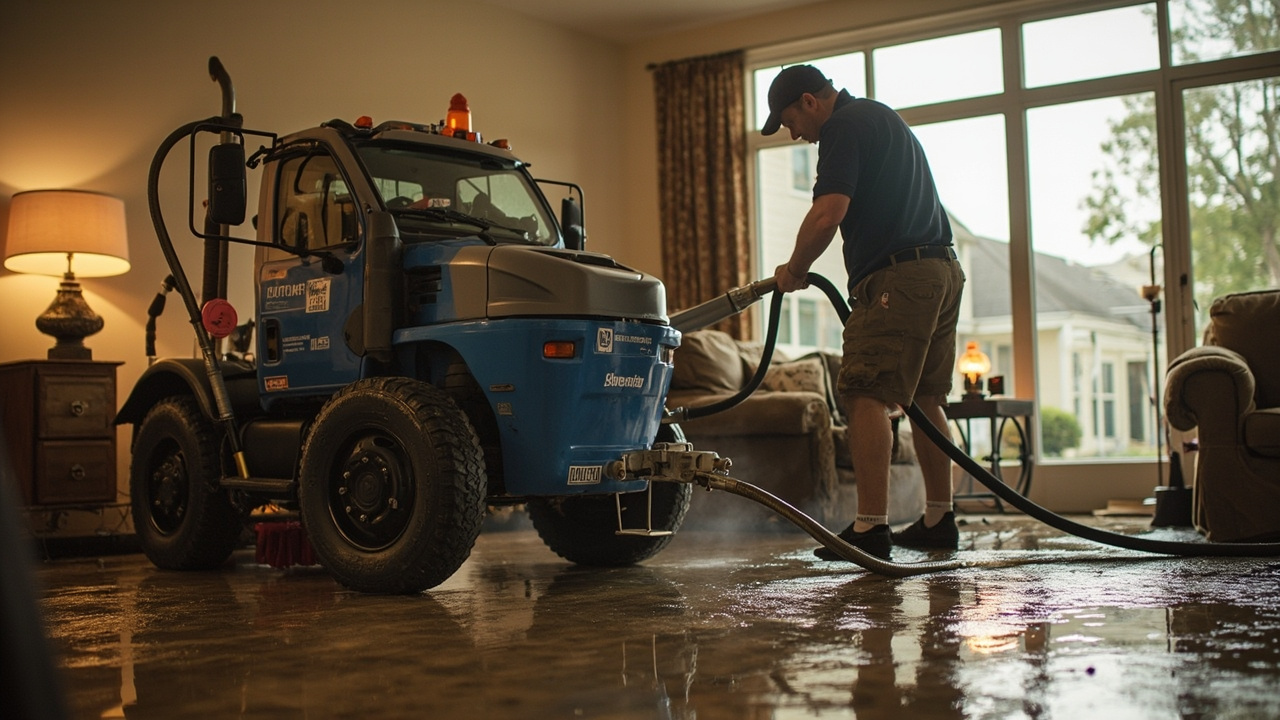
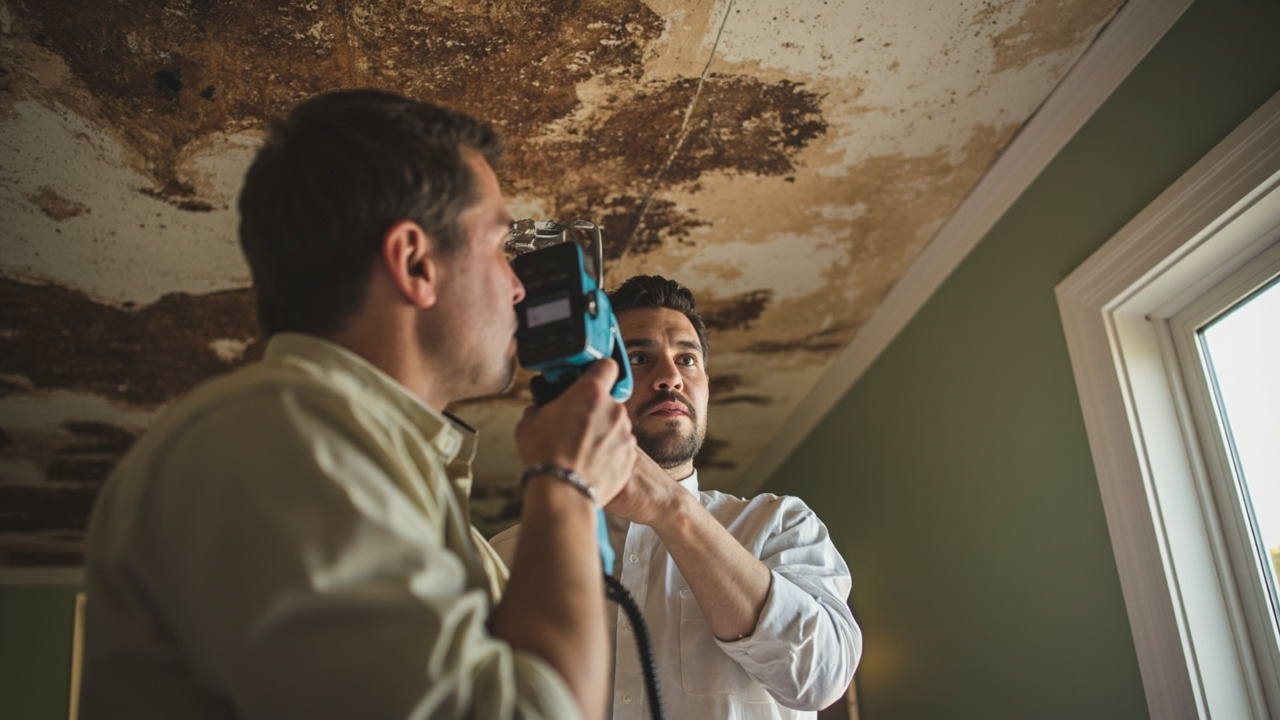
Water Damage Restoration Services in The New Orleans Area

While Grand serves the wider region with our expert water damage restoration services, we invite you to view our central operational location on the map. This helps you visualize our base of operations and understand our commitment to providing swift, efficient service across our service areas. Our team is strategically positioned to ensure rapid deployment when you need us most, so don't hesitate to contact us regardless of your specific location within our service radius.

Address:
Grand Water Damage Restoration New Orleans, 201 St Charles Ave, New Orleans, LA, 70170

Additional Services We Offer

Our news updates

Latest Articles & News from The Blogs

Living in a historic home in the Esplanade Ridge neighborhood offers a unique charm that modern builds cannot replicate. Those…

Removing that stubborn musty smell from historic plaster walls in Esplanade Ridge

Living in a historic home in the Esplanade Ridge neighborhood offers a unique charm that modern builds cannot replicate. Those…

Why your Westbank home might have a hidden shower pan leak and the best next steps

Westbank homeowners in Gretna and Marrero face specific plumbing challenges due to the local environment. High humidity levels and shifting…

Why ignoring a slow water heater leak in Carrollton destroys your home

A tiny puddle under your water heater in the 70118 zip code might look like a minor inconvenience. In the…

Contact Us

Do not wait for visible mold colonies to appear. Hidden growth compromises your health and property value right now. Call Grand Water Damage Restoration New Orleans at (504) 355-2332 for a comprehensive mold assessment. We identify what you cannot see and provide solutions that actually work.