


menu

Choosing a Restoration Company in New Orleans – Get Expert Guidance to Avoid Unlicensed Contractors and Insurance Nightmares

Finding a reputable water damage company in New Orleans means knowing how to vet credentials, verify insurance partnerships, and identify red flags before water turns into mold and your claim gets denied.

Slider Image 1
Slider Image 2
Slider Image 3
Slider Image 4
Slider Image 5
Slider Image 7
Slider Image 8
Slider Image 9
Slider Image 10
Slider Image 11

Why Choosing the Wrong Restoration Contractor Costs New Orleans Homeowners Thousands

New Orleans sits below sea level. You already know that. What you might not know is how that geography creates a perfect storm for restoration fraud. When water hits your home after a levee breach, a summer downpour, or a burst pipe, you have 24 to 48 hours before mold starts colonizing your drywall. That urgency makes you vulnerable.

Fly-by-night contractors swarm New Orleans after every flood event. They knock on doors, promise fast fixes, and disappear with your deposit. Others complete shoddy work that fails your insurance inspection. Then you are stuck paying twice, fighting mold litigation, or worse, living in a home with hidden structural damage.

Selecting a water damage contractor in New Orleans requires local knowledge. You need someone who understands how the city's high water table affects foundation drying, how humidity impacts dehumidification protocols, and how to navigate Louisiana's complex insurance laws. Hiring a water mitigation service is not like hiring a painter. The stakes involve health, structural integrity, and financial survival.

The problem is not just incompetence. It is the lack of transparency. When you are standing in two inches of water in your Bywater shotgun house or watching ceiling drywall sag in your Lakeview Colonial, you do not have time to research. You call the first number you find. That is exactly when most homeowners make the costliest mistake of the entire recovery process.

Vetting restoration contractors takes knowledge most people do not have. This guide gives you that knowledge.

Why Choosing the Wrong Restoration Contractor Costs New Orleans Homeowners Thousands
The Seven Non-Negotiable Criteria for Hiring a Water Mitigation Service

The Seven Non-Negotiable Criteria for Hiring a Water Mitigation Service

Finding a reputable water damage company starts with documentation. Demand proof of Louisiana state licensing. Any contractor performing mitigation work over $50,000 must hold a Residential Building Contractor license or Mold Remediation Contractor license issued by the Louisiana State Licensing Board for Contractors. If they hesitate or claim exemptions, walk away.

Next, verify their insurance. You need to see both general liability and workers' compensation certificates. Call the insurance carrier directly using the number on the certificate, not the number the contractor provides. Confirm the policy is active and covers the scope of your project. If a worker gets injured on your property and the contractor is uninsured, you become liable.

Check their IICRC certification. The Institute of Inspection, Cleaning and Restoration Certification sets the industry standard for water damage restoration. Certified firms follow strict protocols for moisture mapping, antimicrobial application, and structural drying. Ask for technician certification cards. If they cannot produce them on-site, they are not trained.

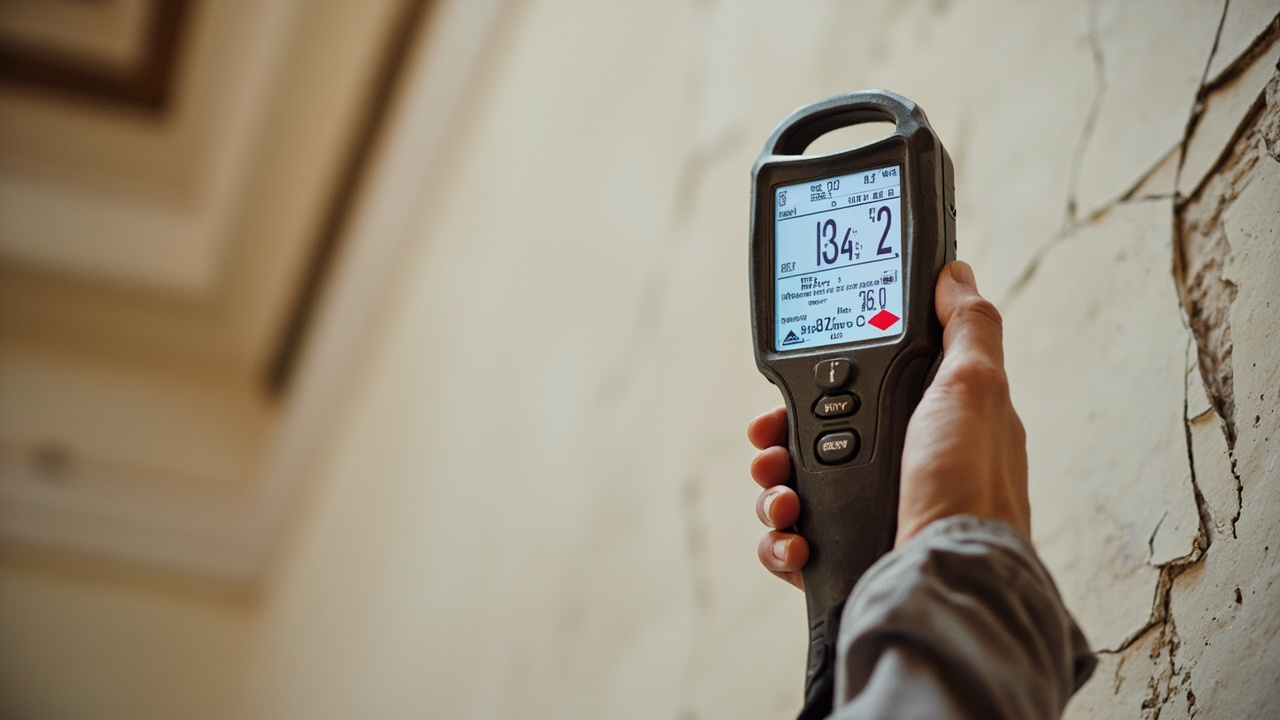
Evaluate their equipment. Professional-grade moisture meters, thermal imaging cameras, commercial dehumidifiers, and air movers are expensive. Contractors who show up with a shop vac and box fans cannot achieve structural drying. Your insurance adjuster will reject their work, and you will pay out of pocket for re-remediation.

Request recent project documentation from New Orleans. You want to see jobs in similar housing stock, raised foundations common in Gentilly or slab foundations in New Orleans East. How they handled a Mid-City duplex tells you nothing about how they will handle your Garden District mansion with 12-foot ceilings and plaster walls.

Ask about their relationship with your insurance carrier. Preferred vendors have negotiated pricing and streamlined claims processes. They know what documentation your adjuster requires and how to photograph damage to meet policy standards. This saves you weeks of back-and-forth.

Finally, review their emergency response capability. Water does not wait for business hours. A company that cannot dispatch a crew within two hours is not equipped for New Orleans's flood reality.

What Happens When You Contact a Professional Restoration Company

Choosing a Restoration Company in New Orleans – Get Expert Guidance to Avoid Unlicensed Contractors and Insurance Nightmares
01

Initial Contact and Dispatch

When you call a professional restoration company, they immediately gather critical information about the water source, affected areas, and safety concerns. You should receive a dispatch confirmation within minutes, with a crew arrival estimate. Legitimate companies track all calls and provide a case number. If they ask you to text photos first or schedule an appointment for next week, keep calling other contractors. Time is your enemy in water damage scenarios.
02

On-Site Assessment and Documentation

The crew chief performs a room-by-room moisture assessment using calibrated meters and thermal imaging. They document all readings, photograph damage from multiple angles, and identify the water category based on contamination level. You should receive a written scope of work before any mitigation begins. This document outlines equipment placement, estimated drying time, and daily monitoring schedules. They also contact your insurance carrier to open a claim or confirm an existing claim number.
03

Mitigation Execution and Monitoring

Professional crews extract standing water, remove non-salvageable materials, and establish drying chambers using industrial equipment. They visit daily to record moisture levels and adjust equipment. When readings meet industry drying standards, they provide a completion certificate with before-and-after documentation. This certificate is what your insurance company and any future home buyers will require. Without it, you have no proof the property was properly dried and no protection against future mold claims.

Why Local Expertise Matters When Vetting Restoration Contractors in New Orleans

New Orleans is not Houston. It is not Baton Rouge. The city's unique construction methods, soil composition, and regulatory environment demand specialized knowledge. Raised pier-and-beam foundations require different drying protocols than slab foundations. Century-old cypress framing absorbs and releases moisture differently than modern pine studs. A contractor from Shreveport might know water damage, but they do not know New Orleans water damage.

Consider how the city's clay soil affects foundation movement. After significant water intrusion, the soil swells. When it dries, it contracts. This cycle creates foundation shifting that generic restoration companies miss. Local contractors understand how to monitor for secondary damage and when to involve structural engineers.

Insurance is another local mindbender. Louisiana operates under a direct action statute, meaning you can sue an insurance carrier directly without first suing the policyholder. This creates a complex claims environment. Restoration companies familiar with New Orleans's legal landscape document differently, communicate with adjusters differently, and protect you from claim denials that out-of-town contractors trigger through incomplete paperwork.

Then there is mold. New Orleans's average humidity sits at 75 percent. The city's elevation and proximity to Lake Pontchartrain create microclimates where mold can colonize drywall in under 36 hours. National franchise operations follow cookie-cutter protocols designed for average climates. Local companies adjust antimicrobial applications, drying times, and monitoring schedules based on real-time weather data and neighborhood-specific humidity patterns.

Grand Water Damage Restoration New Orleans built its protocols around the city's reality. We know which Uptown neighborhoods have the oldest cast iron plumbing. We know how Katrina-era FEMA trailers were constructed and what hidden damage they mask. We know which insurance carriers require psychrometric charts and which accept standard moisture logs. This knowledge prevents re-work, speeds claims, and protects your home's value.

Choosing a restoration company means choosing someone who will still be here when you discover secondary damage six months later. Fly-by-night operators disappear. Local companies stake their reputation on every job because New Orleans is a small city where word travels fast.

What to Expect When You Hire a Professional Water Damage Restoration Company

Response Time and Availability

Professional restoration companies operate 24/7/365. You should receive a live person when you call, not an answering service. Dispatch time in New Orleans should be under two hours for emergency water damage. If they tell you they can come out tomorrow morning, hang up and call someone else. Every hour of delay increases damage exponentially. A reputable company maintains multiple crews and backup equipment specifically for simultaneous emergencies. Ask how many active jobs they are currently managing and how that affects your response priority. Transparency about capacity tells you whether they can actually deliver on their promises.

Assessment and Documentation Process

A thorough assessment takes 60 to 90 minutes for an average-sized home. The crew chief should test moisture in walls, floors, and ceilings using both pin-type and non-invasive meters. Thermal imaging reveals hidden water migration behind baseboards and inside wall cavities. You should receive a written scope that identifies water category, affected materials, equipment needed, and estimated timeline. Photos should be time-stamped and GPS-tagged. This documentation becomes your insurance claim foundation. Companies that skip this step or provide verbal estimates are setting you up for claim denials and cost overruns. Demand everything in writing before work begins.

Quality of Final Restoration

Proper mitigation leaves your property ready for reconstruction. Moisture readings should be at or below pre-loss conditions, typically 12 to 15 percent for wood framing and below 1.0 percent for concrete. You should receive a completion certificate that includes daily moisture logs, equipment run times, and final psychrometric data. Professional companies seal off affected areas using containment barriers to prevent cross-contamination. They dispose of contaminated materials according to Louisiana Department of Environmental Quality regulations. The air should smell clean, not musty. If you detect any odor after drying is complete, mold is already growing and the job was not done correctly. Demand re-testing before accepting final work.

Post-Mitigation Support and Documentation

Reputable restoration companies provide ongoing support throughout your insurance claim process. You should receive digital copies of all documentation within 48 hours of job completion. This includes moisture logs, equipment placement diagrams, material disposal manifests, and photographic evidence. If your adjuster requests additional documentation, the company should provide it within 24 hours. Many companies offer a 30-day callback period for any moisture-related concerns. If readings spike after equipment removal, they should return to investigate at no charge. This is not a warranty, but it is a sign of professional accountability. Ask specifically what happens if your insurance carrier disputes their findings. Companies that stand behind their work will re-inspect and provide supplemental documentation to support your claim.

Frequently Asked Questions

You Have Questions,
We Have Answers

How New Orleans's Below-Sea-Level Geography Makes Choosing a Restoration Company Critical

New Orleans sits in a bowl. When water enters your home, gravity does not help you. The city's pumping system moves rainwater out, but your flooded living room requires mechanical extraction because water will not drain naturally. This creates extended exposure times that accelerate mold growth and structural degradation. Selecting a water damage contractor who understands subsurface moisture and hydrostatic pressure is not optional. Generic restoration companies apply drying protocols designed for properties above sea level. Those protocols fail here. You need technicians who know how to address rising groundwater, how to prevent capillary action in foundation walls, and when subfloor ventilation is required versus when it worsens the problem.

Louisiana's contractor licensing laws changed after Katrina specifically to address restoration fraud. The state now requires bonds, continuing education, and proof of financial responsibility. Grand Water Damage Restoration New Orleans maintains all required licenses and participates in ongoing training through the Restoration Industry Association. We work directly with local adjusters who understand New Orleans's unique risk profile. When you hire a company embedded in this community, you get someone who answers to the same licensing board, maintains relationships with the same suppliers, and has a reputation to protect on every street corner. Finding a reputable water damage company means finding someone who will be here tomorrow, next month, and next year when you need support.
Water Damage Restoration Services in The New Orleans Area

While Grand serves the wider region with our expert water damage restoration services, we invite you to view our central operational location on the map. This helps you visualize our base of operations and understand our commitment to providing swift, efficient service across our service areas. Our team is strategically positioned to ensure rapid deployment when you need us most, so don't hesitate to contact us regardless of your specific location within our service radius.

Address:
Grand Water Damage Restoration New Orleans, 201 St Charles Ave, New Orleans, LA, 70170

Additional Services We Offer

Our news updates

Latest Articles & News from The Blogs

Standing water in your Gretna home requires an immediate response to prevent permanent structural issues and mold growth. Residents living…

Fast Flood Restoration Strategies for Gretna Homeowners

Standing water in your Gretna home requires an immediate response to prevent permanent structural issues and mold growth. Residents living…

Resolving Ceiling Water Damage and Leaks in Mid-City Apartments

Dealing with Ceiling Water Damage Repair in Mid-City New OrleansA damp spot on your ceiling in a Mid-City apartment requires…

Removing that stubborn musty smell from historic plaster walls in Esplanade Ridge

Living in a historic home in the Esplanade Ridge neighborhood offers a unique charm that modern builds cannot replicate. Those…

Contact Us

Do not let urgency force you into a bad decision. Call Grand Water Damage Restoration New Orleans at (504) 355-2332 right now. We provide free phone consultations that help you understand what questions to ask, what documentation to demand, and what red flags to watch for. You deserve a contractor who treats your home like we would treat our own.