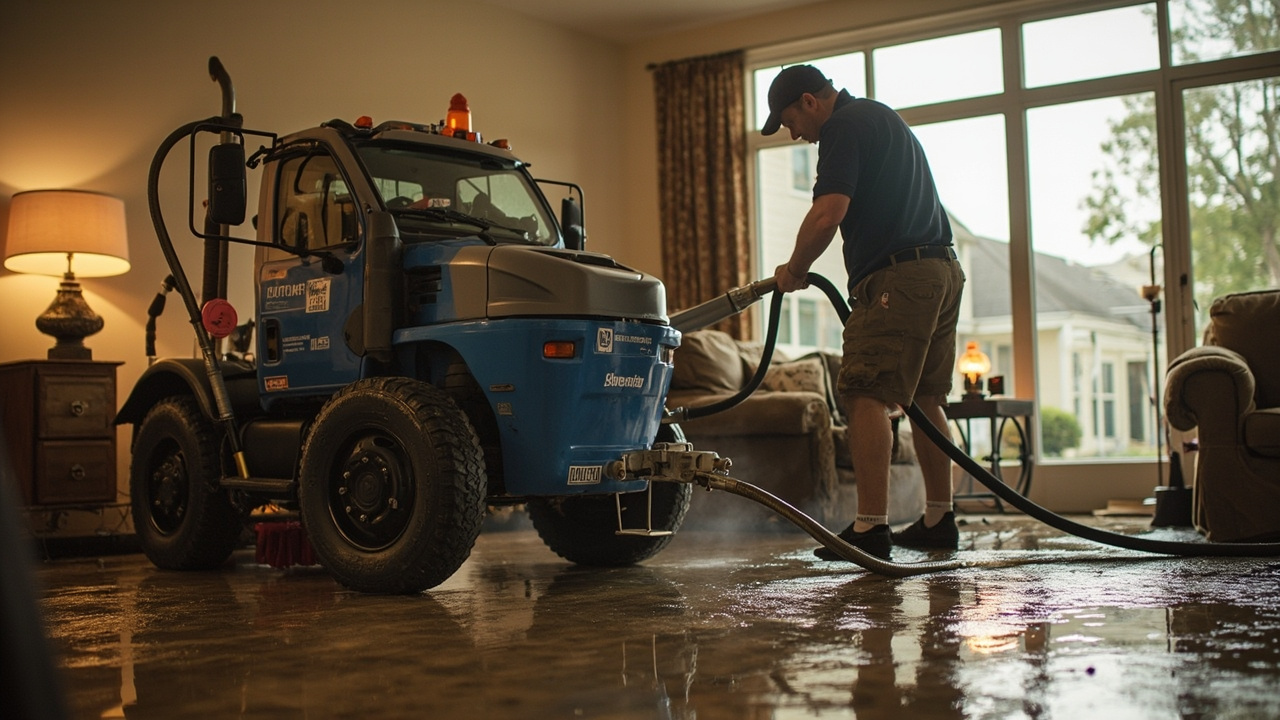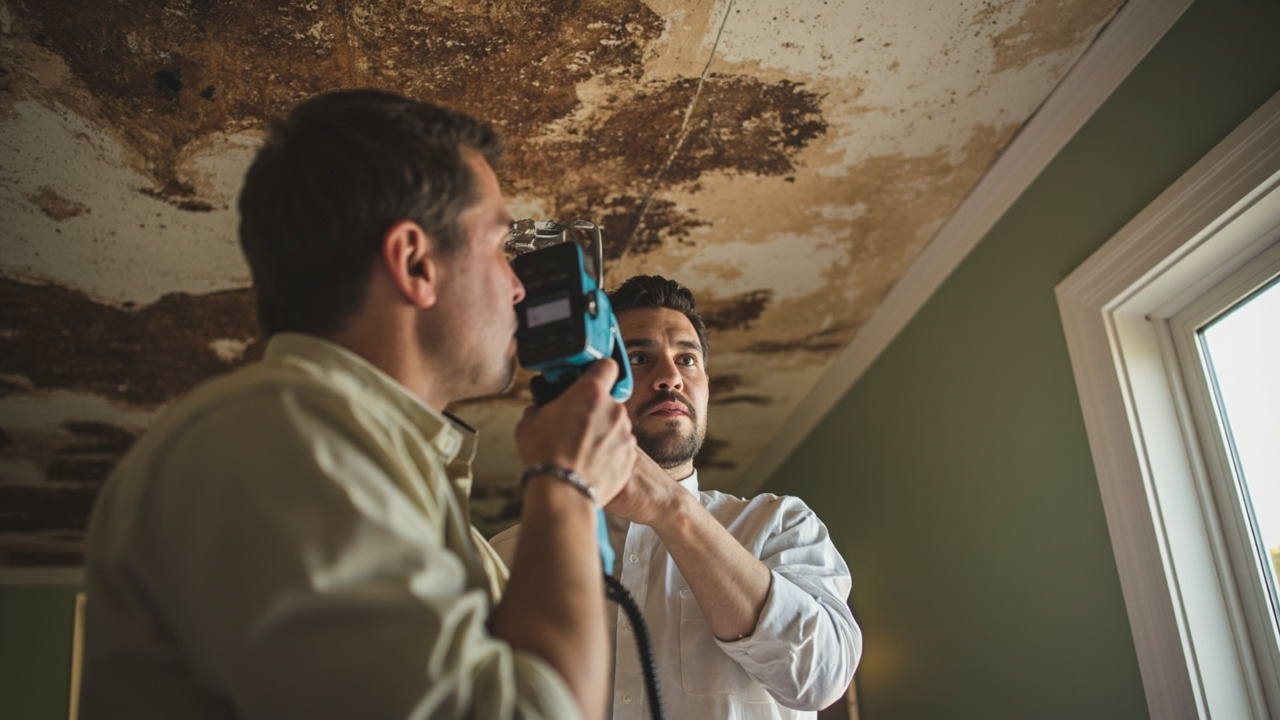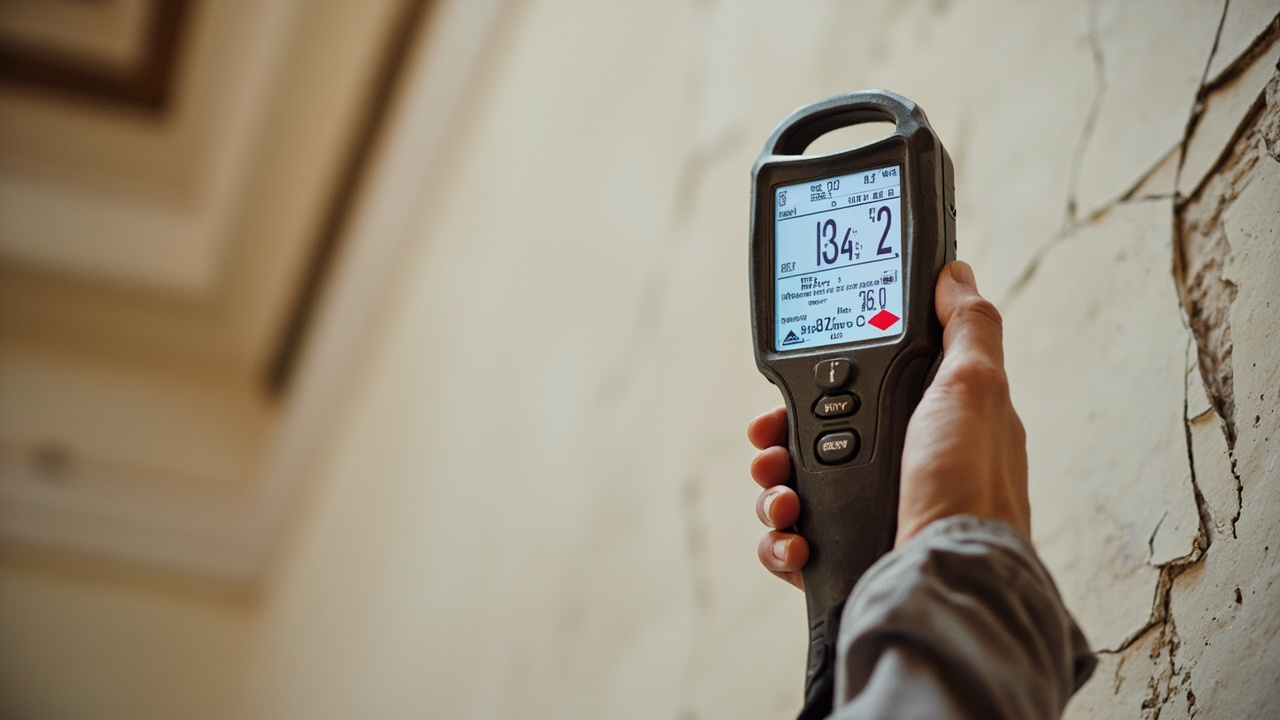







The same humidity that makes New Orleans summers feel oppressive turns fire-damaged properties into mold incubators. When fire hoses saturate your home with hundreds or thousands of gallons of water, that moisture does not evaporate naturally in our climate. Relative humidity above 60 percent prevents effective drying without mechanical dehumidification. Your post-fire safety checklist must prioritize immediate water extraction and humidity control. Properties near Lake Pontchartrain or along the Mississippi River face even higher ambient moisture levels that accelerate microbial growth in compromised building materials.
New Orleans fire restoration requires local expertise because generic drying protocols fail in our environment. Companies based in drier regions underestimate the dehumidification capacity needed here. They use equipment sized for lower humidity climates and leave jobs before materials reach safe moisture levels. We calibrate our equipment and timelines for New Orleans conditions. Our technicians understand how cypress siding, pine subflooring, and plaster walls common in older neighborhoods respond to fire and water damage. This local knowledge prevents the secondary damage that turns a recoverable loss into a total loss.