



menu

Does Insurance Cover Mold in New Orleans? Get Clear Answers on Your Policy and Mold Claims

Understanding homeowners insurance mold coverage can mean the difference between full restoration and financial disaster. We decode your policy and help New Orleans property owners navigate mold remediation insurance claims successfully.

Slider Image 1
Slider Image 2
Slider Image 3
Slider Image 4
Slider Image 5
Slider Image 7
Slider Image 8
Slider Image 9
Slider Image 10
Slider Image 11

Why Mold Coverage Confuses New Orleans Property Owners

New Orleans sits below sea level in one of the most humid climates in the United States. Your property faces constant moisture pressure from the Mississippi River, Lake Pontchartrain, and tropical weather systems that dump inches of rain in hours. This environment creates perfect conditions for mold growth, but does home insurance pay for mold removal when you need it?

The answer frustrates most property owners. Standard homeowners insurance mold coverage depends entirely on how the mold started. If a covered peril like a burst pipe or storm damage caused the water intrusion, most policies cover mold remediation up to specific limits. But if the mold resulted from long-term neglect, poor ventilation, or gradual moisture buildup, your claim will likely be denied.

New Orleans homes in the French Quarter, Garden District, and Lakeview face unique challenges. Historic properties with pier-and-beam foundations allow humid air to circulate underneath. Shotgun-style homes often lack proper vapor barriers. Post-Katrina renovations sometimes trapped moisture between walls. These architectural factors complicate property insurance mold coverage decisions.

Insurance companies look for one thing. Did sudden, accidental water damage cause the mold, or was it preventable? A washing machine supply line that bursts and floods your laundry room typically qualifies for coverage. Mold that grew because you ignored a slow roof leak for six months does not. Understanding this distinction helps you document damage correctly and file mold remediation insurance claims that actually get paid.

The coverage limits matter too. Most policies cap mold coverage between five thousand and twenty-five thousand dollars, which rarely covers extensive remediation in older New Orleans properties.

Why Mold Coverage Confuses New Orleans Property Owners
How Mold Coverage Actually Works in Louisiana

How Mold Coverage Actually Works in Louisiana

Louisiana follows the proximate cause doctrine for is mold damage covered by insurance questions. This legal principle means insurers must cover mold if a covered peril directly caused it. The challenge lies in proving causation and timing.

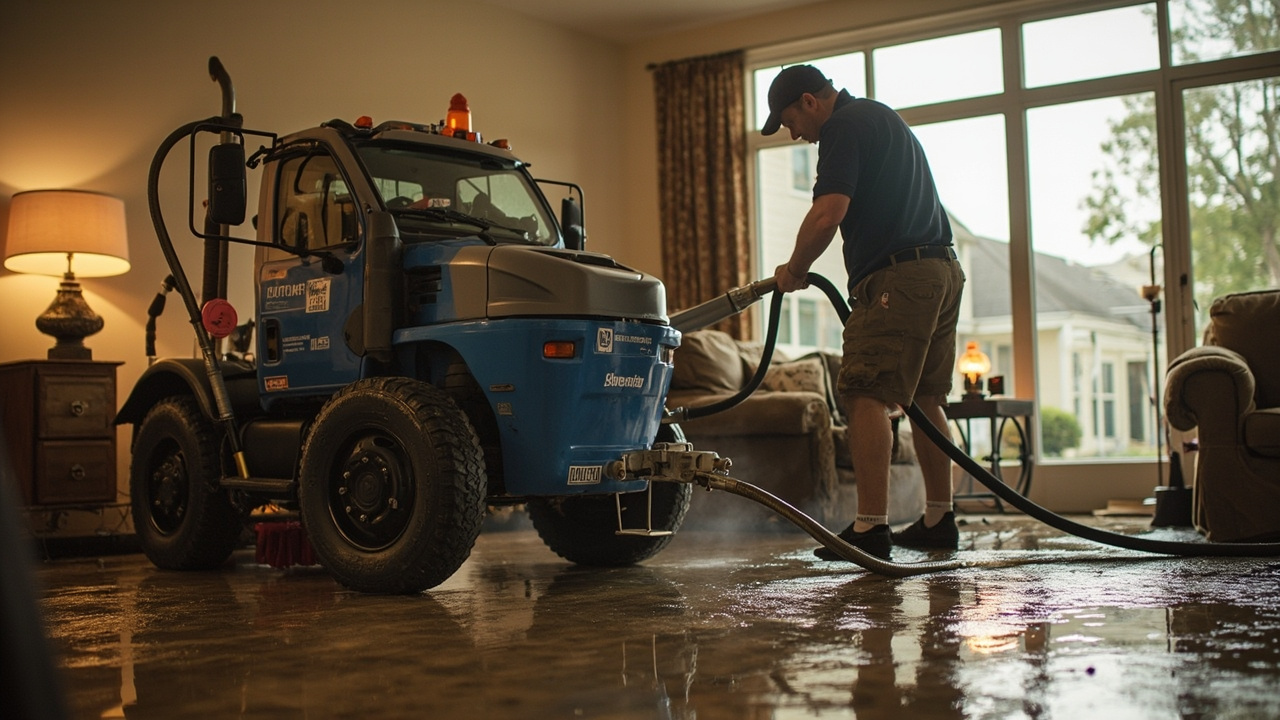
When you discover mold, you have a duty to mitigate damage immediately. Insurance policies require you to protect the property from further harm. This means extracting standing water, setting up dehumidifiers, and preventing mold spread. Failing to act quickly gives insurers grounds to deny your claim.

Documentation determines claim success. Take timestamped photos of the water source, affected areas, and visible mold. Save receipts for emergency mitigation services. Document when you first noticed the problem. This evidence chain proves the mold resulted from a sudden event rather than gradual neglect.

Most homeowners insurance mold coverage includes specific exclusions. Mold from flooding requires separate flood insurance through the National Flood Insurance Program. Mold from foundation seepage or groundwater intrusion typically falls outside standard policies. Mold in crawl spaces or basements may have limited coverage depending on your policy endorsements.

Policy language varies dramatically between carriers. Some policies include broad mold coverage as standard. Others require you to purchase mold endorsements for additional premium. Review your declarations page for coverage limits and exclusions specific to fungi, bacteria, and microorganisms.

Grand Water Damage Restoration New Orleans works directly with insurance adjusters to document mold claims properly. We understand Louisiana Insurance Code requirements and how local adjusters interpret policy language. Our moisture mapping technology and thermal imaging prove the water intrusion source, strengthening your claim documentation. We provide detailed scope reports that align with insurance estimating platforms, reducing claim disputes and accelerating approval.

What Happens When You File a Mold Insurance Claim

Does Insurance Cover Mold in New Orleans? Get Clear Answers on Your Policy and Mold Claims
01

Initial Policy Review

We examine your specific policy declarations, endorsements, and exclusions before you file. This prevents wasted time on claims that have no coverage pathway. We identify your mold coverage limits, required deductibles, and documentation standards. Understanding your policy structure helps us position the claim for approval. We review whether additional living expense coverage applies if mold makes your property uninhabitable. This upfront analysis saves you from claim denials that damage your insurance history.
02

Damage Documentation Process

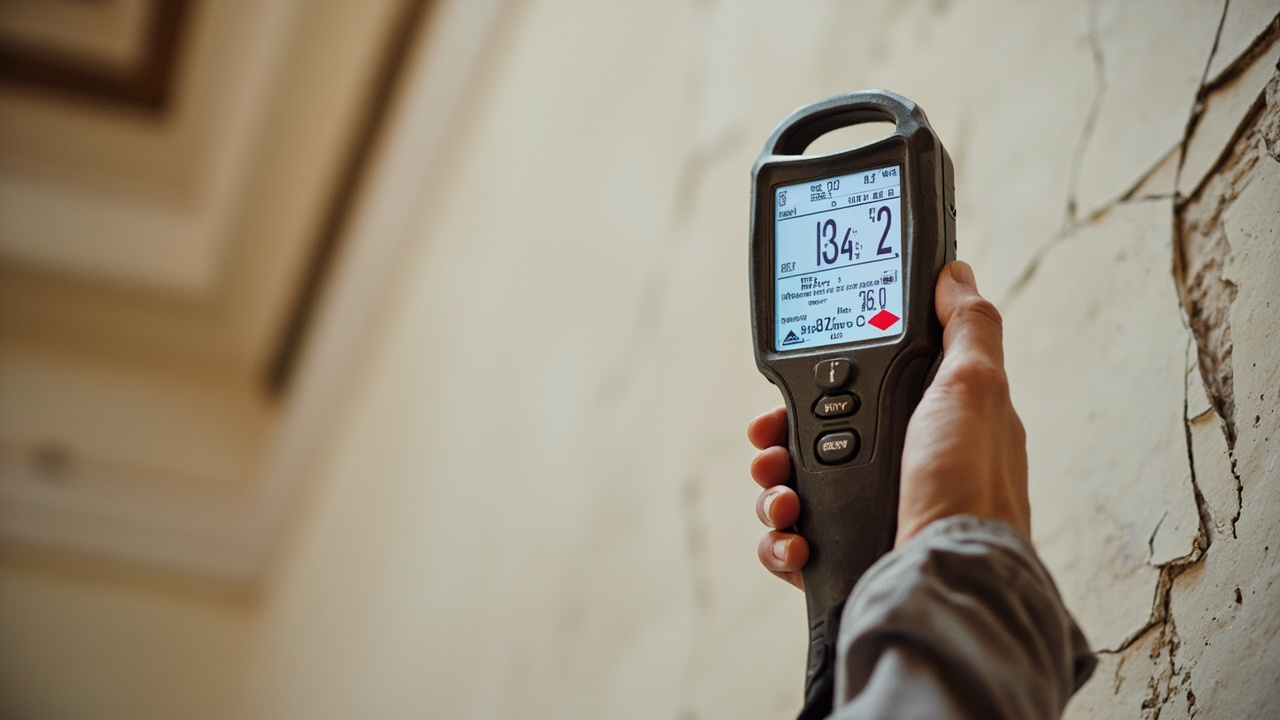
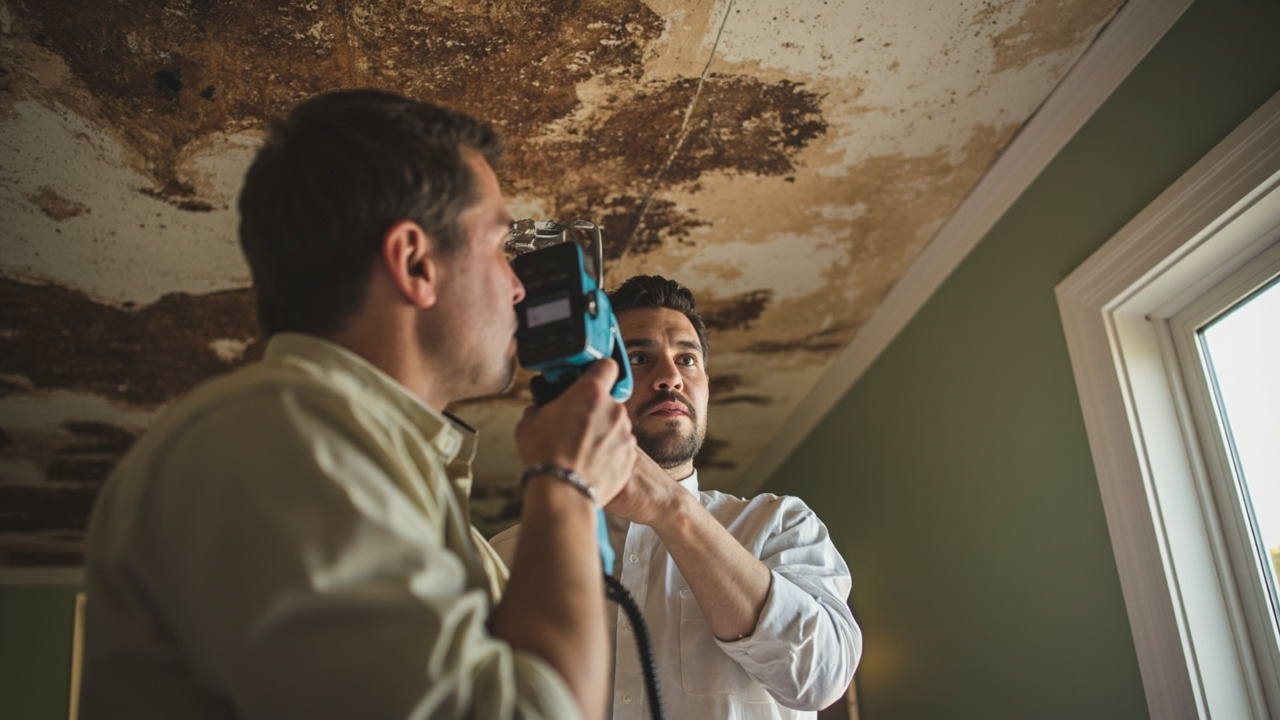
Professional documentation separates approved claims from denials. We use moisture meters to map affected materials, thermal cameras to identify hidden water sources, and air quality testing to quantify contamination levels. We photograph the proximate cause, the moisture migration path, and the resulting microbial growth. We create detailed loss inventories that match insurance line-item formats. This technical documentation proves causation and establishes the claim scope. We time-stamp everything to demonstrate you acted promptly to mitigate damage.
03

Adjuster Coordination and Negotiation

Insurance adjusters visit your property to verify the claim. We coordinate site access and walk them through the documentation. We explain our remediation scope using industry terminology they recognize. We reference IICRC S520 mold remediation standards and EPA guidelines in our estimates. If the adjuster disputes coverage or settlement amounts, we provide supplemental documentation and expert opinions. Our familiarity with Louisiana claim procedures and local adjuster practices helps resolve disputes before they escalate to appraisals or litigation.

Why New Orleans Property Owners Trust Local Mold Claim Expertise

National restoration chains send technicians who have never dealt with Louisiana humidity, elevation challenges, or local insurance practices. They use generic claim documentation that overlooks critical details New Orleans adjusters expect.

Grand Water Damage Restoration New Orleans understands how local policies differ from standard ISO forms. We know which carriers operating in Orleans Parish have restrictive mold endorsements and which offer broader coverage. We know local adjusters expect psychrometric calculations showing moisture conditions at the time of loss. We provide hygrometer readings, temperature differentials, and vapor pressure analysis that proves covered causation.

Our technicians recognize architectural details that matter for claims. We document whether your property has the original cypress subflooring common in pre-1950s construction. We note if your Uptown home has the characteristic raised foundation that affects moisture intrusion patterns. We photograph plaster-on-lath walls that absorb water differently than modern drywall. These local details strengthen causation arguments.

We work with public adjusters and legal counsel when claims get disputed. Our detailed scope documentation has supported successful bad faith litigation when carriers wrongfully deny legitimate mold claims. We provide expert testimony when needed.

Time matters for mold claims. Our response teams arrive within two hours for emergency water extraction. Fast mitigation reduces mold growth and strengthens your argument that you fulfilled policy duties. We maintain drying logs that document our humidity reduction progress, proving you acted reasonably to minimize loss.

We help you understand the difference between cosmetic mold cleaning and full remediation requiring containment barriers, negative air pressure, and post-remediation verification. Insurance companies try to minimize payouts by calling remediation work simple cleaning. Our documentation proves when full protocol remediation is necessary.

What to Expect During the Mold Insurance Claim Process

Claim Filing Timeline

Report mold claims immediately after discovering the water source. Louisiana policies require prompt notice of loss. Most carriers assign adjusters within 24 to 48 hours for water damage claims. The adjuster inspection typically occurs within three to five days. Emergency mitigation begins before the adjuster visits because policy language requires you to prevent further damage. Simple mold claims settle within two to three weeks. Complex claims involving coverage disputes or multiple affected areas can take 60 to 90 days. We track claim status and follow up with adjusters to prevent unnecessary delays that extend your displacement.

The Insurance Inspection

The adjuster documents the water source, affected materials, and visible mold growth. They take moisture readings and photographs. They review your mitigation documentation and invoices. They compare the damage to your policy coverage terms. We attend these inspections to ensure the adjuster sees all affected areas. Mold often hides behind baseboards, inside wall cavities, or under flooring. Without proper investigation, adjusters underestimate damage scope. We use thermal imaging during inspections to show moisture patterns the adjuster cannot see with visual inspection alone. This technology prevents low initial estimates that require supplements later. We answer adjuster questions about causation and timing using technical documentation.

Coverage Determination and Payment

Adjusters issue coverage position letters explaining what the policy will or will not pay. They calculate depreciated actual cash value first, then hold recoverable depreciation until repairs complete. Mold claims often trigger coverage limit caps separate from your dwelling coverage. If your policy caps mold at ten thousand dollars but remediation costs twenty thousand, you pay the difference unless you have additional endorsements. We help you understand coverage decisions and identify when denials contradict policy language. Payment arrives via check or direct deposit after you sign release forms. Carriers sometimes require signed contracts and work authorizations before releasing payment. We coordinate this paperwork to prevent payment delays.

Post-Claim Documentation Requirements

Insurance companies require proof of completed repairs before releasing recoverable depreciation. We provide certificates of completion, final moisture readings, and post-remediation air quality tests. We document that affected materials were properly removed and replaced according to industry standards. We photograph restored areas showing work quality. This documentation package closes your claim and triggers final payment. We maintain claim files for your records in case you sell the property and need to disclose prior water damage. Proper documentation also protects you if mold recurs and you need to prove the original issue was fully remediated. Future buyers and their inspectors often request this history.

Frequently Asked Questions

You Have Questions,
We Have Answers

Should I tell my insurance company about mold? +

Yes, you should notify your insurance company about mold, but timing matters. Report the underlying cause of the mold immediately, like a burst pipe or roof leak. Document everything with photos and notes before cleanup begins. New Orleans' high humidity creates mold fast, so quick reporting helps establish a clear timeline. However, avoid making broad statements about widespread mold until you understand your policy's coverage limits. Many policies exclude mold from gradual maintenance issues but cover sudden water damage. Review your policy or consult a public adjuster before filing to determine if your claim will likely be approved.

Can you claim for mold on house insurance? +

You can claim mold on house insurance only if it results from a covered peril. Most homeowners policies in Louisiana cover mold when it stems from sudden, accidental water damage like pipe bursts, storm damage, or appliance malfunctions. They typically exclude mold from long-term neglect, humidity, or condensation. New Orleans homes face constant moisture challenges, so insurers scrutinize mold claims closely. Your policy likely caps mold remediation at a specific limit, often between $10,000 and $25,000. Read your declarations page to confirm your coverage limits and exclusions before filing a claim.

Is mold exposure covered by insurance? +

No, mold exposure itself is not covered by standard homeowners insurance. Policies cover property damage, not health claims or medical bills from mold exposure. If you or family members experience respiratory issues, rashes, or other symptoms from mold, those costs fall under health insurance, not property insurance. However, if covered mold remediation prevents further health risks, the cleanup may be reimbursed under your dwelling or personal property coverage. Document all health impacts separately if you pursue legal action, but do not expect your homeowners policy to pay medical expenses related to mold exposure.

What is an example of a mold claim? +

A common mold claim example involves a homeowner discovering mold after a washing machine supply line bursts while they are away. Water floods the laundry room and seeps into drywall and flooring. The homeowner returns, finds the leak, shuts off water, and immediately calls their insurer. The adjuster approves water extraction and structural drying, but mold appears within 48 hours. Because the mold stems from a sudden plumbing failure and the homeowner acted quickly, the insurer covers remediation up to the policy's mold limit. Delayed discovery or gradual leaks often result in denials.

How expensive is mold removal? +

Mold removal costs vary widely based on contamination size, location, and materials affected. Small areas under 10 square feet may run a few hundred dollars for DIY-level cleanup, but professional remediation for larger infestations typically starts around several thousand dollars. Severe cases requiring wall removal, HVAC cleaning, and air scrubbing can escalate significantly. New Orleans' chronic humidity and aging housing stock often mean mold hides in crawlspaces, attics, and behind walls, increasing scope and cost. Always get written estimates from licensed remediation companies and compare them against your insurance policy's mold sublimit before proceeding.

Will my rates go up if I file a mold claim? +

Filing a mold claim can increase your homeowners insurance rates, though the impact depends on your claim history and insurer. In Louisiana, a single claim may not spike premiums immediately, but multiple claims within three to five years flag you as high-risk. Some insurers non-renew policies after repeated water or mold claims. Rates also depend on whether the mold stemmed from preventable maintenance or a legitimate sudden event. Before filing, calculate the remediation cost against your deductible and potential rate increases. Sometimes paying out of pocket protects your insurability, especially in flood-prone New Orleans.

What to do if you can't afford mold removal? +

If you cannot afford mold removal, act fast to prevent spread. Isolate affected areas, reduce humidity with fans and dehumidifiers, and fix the moisture source immediately. Contact your insurer to confirm coverage before assuming denial. Some policies cover more than homeowners expect. Explore payment plans with local remediation companies or seek nonprofit assistance programs in New Orleans for low-income homeowners. If mold stems from a landlord's negligence, Louisiana law may require them to remediate. Document everything. Ignoring mold worsens structural damage and health risks, ultimately costing more than early intervention.

What are the signs of mold in a house? +

Signs of mold in a house include visible black, green, or white patches on walls, ceilings, or grout. You may smell a musty, earthy odor, especially in bathrooms, basements, or attics. Water stains, peeling paint, or warped flooring indicate moisture problems that fuel mold growth. In New Orleans, check crawlspaces and AC ducts regularly due to high humidity. Condensation on windows, persistent allergies, or worsening asthma symptoms also signal hidden mold. If you suspect mold but cannot see it, investigate behind wallpaper, under carpets, or inside HVAC systems before it spreads further.

What are my rights if my insurance denies a mold claim? +

If your insurance denies a mold claim, request a written explanation citing specific policy language. Review your policy's exclusions and coverage limits to verify the denial is valid. You can dispute the decision by providing additional documentation, like proof the mold resulted from a covered peril. Hire a public adjuster to reassess damages or an attorney specializing in insurance disputes if the denial seems unfair. Louisiana law requires insurers to handle claims in good faith. File a complaint with the Louisiana Department of Insurance if you suspect bad faith practices. Act quickly, as appeal deadlines are strict.

How do I test for mold in my home? +

To test for mold at home, start with a visual inspection of moisture-prone areas like bathrooms, kitchens, and attics. For hidden mold, purchase DIY test kits from hardware stores that collect air or surface samples for lab analysis. However, these kits often provide limited accuracy. Professional mold inspectors use moisture meters, thermal imaging, and lab-grade sampling to identify mold types and concentrations. In New Orleans, where humidity breeds mold year-round, professional testing ensures you address the root cause. Testing costs vary, but accurate results guide effective remediation and help document claims for insurance purposes.

How New Orleans Flood Zones Complicate Mold Insurance Coverage

New Orleans properties fall into FEMA flood zones that determine which insurance covers water damage. Mold from rising water during hurricanes or tropical storms requires flood insurance, not homeowners insurance. But mold from a roof damaged by hurricane winds falls under homeowners coverage. This distinction confuses property owners in Lakeview, Gentilly, and the Lower Ninth Ward where both flood and wind damage occur simultaneously. Insurance companies dispute causation, claiming flood caused the water intrusion when wind damage actually allowed rain penetration. Our documentation separates wind-driven rain damage from flood water intrusion, preventing wrongful claim denials. We measure water intrusion heights, document roof damage patterns, and correlate damage with storm timeline data to prove covered causation.

Louisiana Property Insurance Code requires carriers to conduct reasonable investigations before denying mold claims. New Orleans adjusters expect remediation scopes that reference IICRC standards and EPA guidelines. They want psychrometric data showing moisture conditions exceeded safe levels. Grand Water Damage Restoration New Orleans provides this technical documentation because we understand local claim expectations. We have worked with every major carrier operating in Orleans Parish. We know how Allstate adjusters differ from State Farm adjusters in their mold coverage interpretations. This local knowledge helps us position your claim for approval. We participate in local insurance industry training and maintain relationships with adjusters who respect our documentation quality and technical expertise.
Water Damage Restoration Services in The New Orleans Area

While Grand serves the wider region with our expert water damage restoration services, we invite you to view our central operational location on the map. This helps you visualize our base of operations and understand our commitment to providing swift, efficient service across our service areas. Our team is strategically positioned to ensure rapid deployment when you need us most, so don't hesitate to contact us regardless of your specific location within our service radius.

Address:
Grand Water Damage Restoration New Orleans, 201 St Charles Ave, New Orleans, LA, 70170

Additional Services We Offer

Our news updates

Latest Articles & News from The Blogs

Standing water in your Gretna home requires an immediate response to prevent permanent structural issues and mold growth. Residents living…

Fast Flood Restoration Strategies for Gretna Homeowners

Standing water in your Gretna home requires an immediate response to prevent permanent structural issues and mold growth. Residents living…

Resolving Ceiling Water Damage and Leaks in Mid-City Apartments

Dealing with Ceiling Water Damage Repair in Mid-City New OrleansA damp spot on your ceiling in a Mid-City apartment requires…

Removing that stubborn musty smell from historic plaster walls in Esplanade Ridge

Living in a historic home in the Esplanade Ridge neighborhood offers a unique charm that modern builds cannot replicate. Those…

Contact Us

Stop guessing about mold coverage. Call Grand Water Damage Restoration New Orleans at (504) 355-2332 right now for a free policy review and claim consultation. We help you document damage correctly and maximize your insurance recovery.